New regulations imposed by Islamist authorities in northeast Syria have led to significant price increases and restricted availability of alcoholic beverages, causing discontent among residents and businesses. The measures, implemented after Damascus assumed control of the Semalka border crossing with Iraq, involve hefty new taxes and stricter consumption rules.
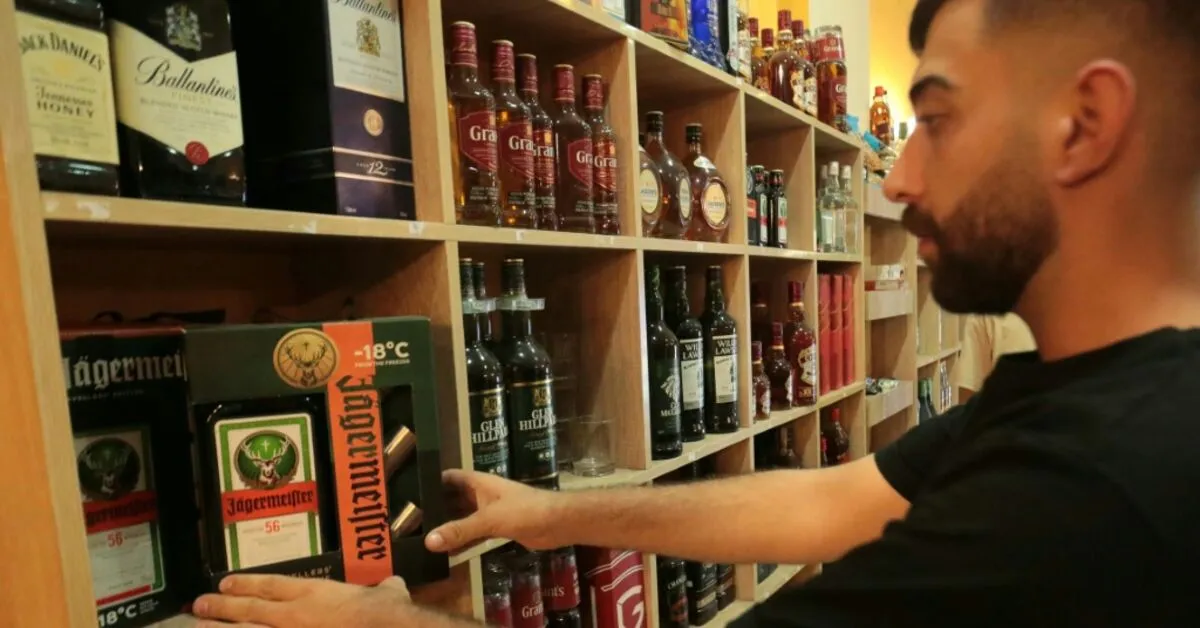
Ayaz Ibrahim, a shop owner in Qamishli, reported that alcohol prices have surged due to increased costs associated with smuggled goods, as official imports through the Semalka crossing have become more restricted. "Smuggled alcohol reaches us, and anything smuggled has a much higher price, plus transport costs... so it's gone up a lot," Ibrahim stated. Customers previously paid $7 for a litre of whisky, a price that has now risen to $12, impacting sales and leading to empty shelves.
While Islam prohibits alcohol consumption, the predominantly Muslim Kurdish community in Syria has historically been more liberal regarding its use. However, recent government directives, including a finance ministry decision to increase taxes on alcoholic beverages, are being felt acutely. Finance Minister Mohammed Barnieh justified the tax hikes as a measure to "limit the consumption of products that are damaging to health" and to generate revenue for health and social security programs, while also aiming to boost Syrian exports.
The financial burden has prompted concerns among business owners like Ibrahim, who noted that locally produced alcohol is not a viable alternative for consumers. "If the situation stays like this, everyone will close their shops because Syrian goods are barely profitable -- they aren't enough to cover the high costs," he warned. The restrictions have also extended to air travel, with authorities reportedly preventing the import of alcohol via the airport.
Bar workers have also experienced a significant downturn in business. Shuaib Hamdi, a bar worker in Qamishli, described the situation as predominantly Islamic in character, noting that sales were initially banned in many areas and later restricted to specific districts. "Apart from our regulars, we might only get one or two other customers a month because of the high prices," Hamdi commented. He also mentioned efforts to reduce ingredients in cocktails to mitigate costs, which has compromised the quality and taste, a sentiment echoed by customers who remark, "It was better before."