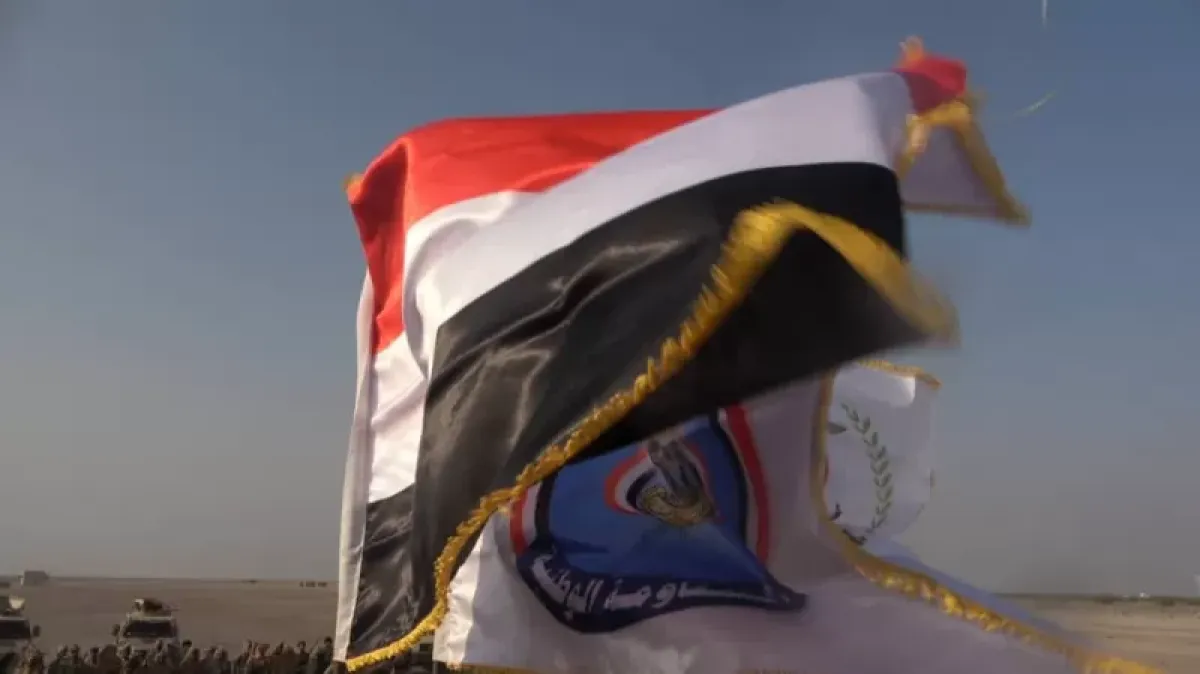
The National Resistance has asserted that the recent loss on the West Coast front is not the end of their struggle, emphasizing their commitment to continuing their fight within the armed forces and alongside other republican factions to liberate Yemen from the Iranian-backed Houthi militia and restore state institutions.
In a statement released on Sunday, September 13, 2026, the National Resistance detailed that between August 9 and September 10, they engaged in one of the most intense battles on the West Coast. This confrontation began with a large-scale Houthi offensive, marked by concentrated missile strikes, suicide drone attacks, and explosives-laden boats, escalating into full-scale engagements in recent weeks.
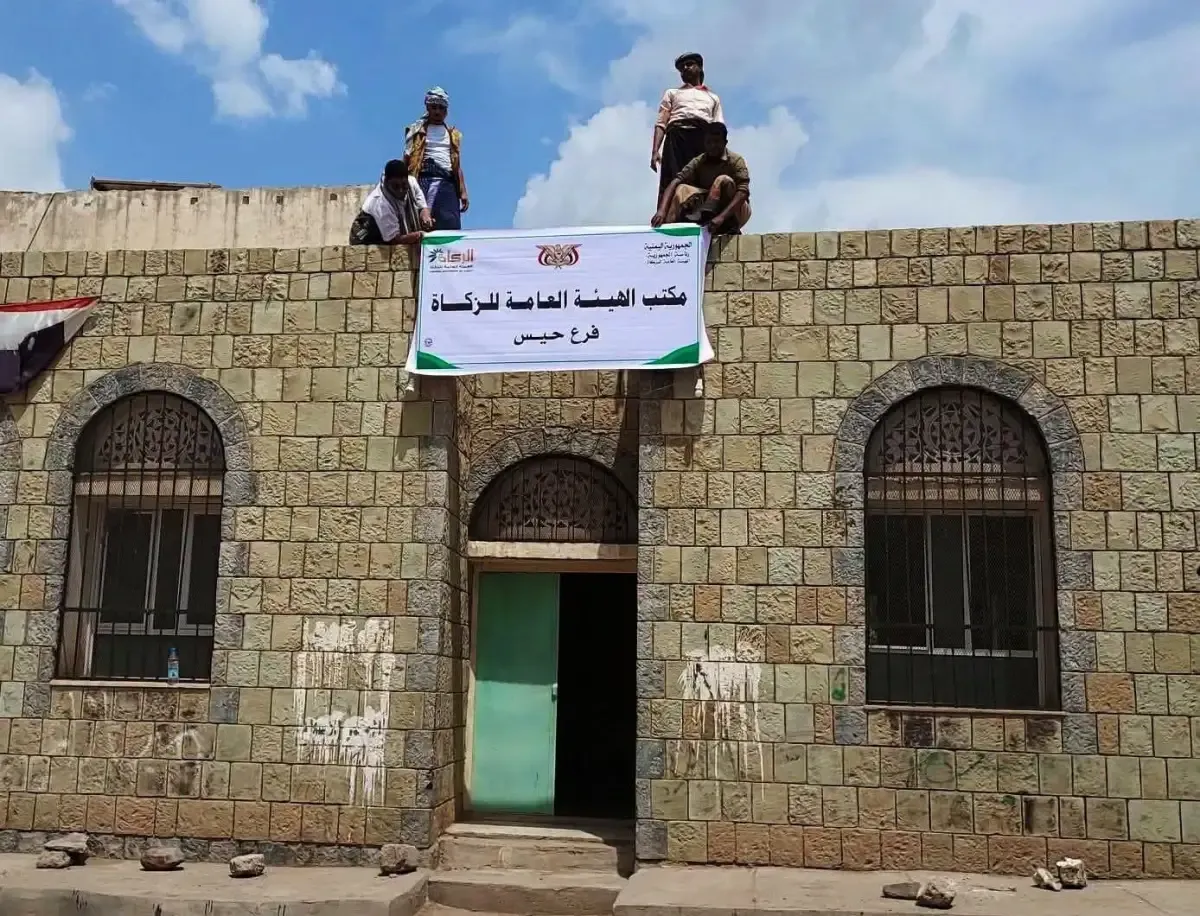
The statement elaborated that the Houthi offensive spanned extensive fronts, from Hays to Al-Kodha, Muqbanah, and Al-Barihah. The militia deployed substantial numbers of fighters and reinforcements, facing resolute resistance from the National Resistance forces for approximately three continuous weeks. The clashes resulted in the martyrdom of over 500 fighters from the Guardians of the Republic Brigades and the Tihama Brigades, with approximately 1,500 others wounded. The Houthi militia sustained over a thousand casualties and thousands of injuries.
The nature and magnitude of the offensive revealed direct involvement and support from Iranian Revolutionary Guard Corps elements and their regional allies, according to the statement. This operation, it was indicated, was meticulously planned to exploit the terrain, establish fire superiority on elevated positions, and attempt to encircle and annihilate the resistance forces.
Faced with the intensity of the attack and continuous Houthi buildups, the leadership of the National Resistance made the strategic decision to redeploy and fortify new defensive lines. This maneuver aims to preserve the combat effectiveness of the forces and thwart the planned encirclement and destruction.
The statement acknowledged the crucial Saudi support for the resistance until the final moments, alongside assistance from the Giants Brigades, Shield of the Homeland, and tribal forces, interpreting this as a testament to the unity of the republican front and a shared destiny in confronting the Iranian project. It was also noted that Major General Tarek Mohammed Abdullah Saleh, a member of the Presidential Leadership Council, closely monitored the battle's progress and fighter morale from the command center, even amidst shelling targeting the headquarters.
The National Resistance underscored that recent developments have proven that the battle to restore the state cannot be the sole responsibility of one military sector. Instead, it requires the synchronized action of all national fronts to regain the initiative, break the Houthi militia's momentum, and establish a new military reality. The resistance affirmed that its objective is not to accuse any party or settle political scores, but rather to honor the fighters who sacrificed their lives for the Republic, objectively analyze developments, draw lessons, and reorganize for the upcoming phase.
The statement accused the Houthi militia of executing an Iranian agenda that threatens Arab national security and international waterways by deploying Yemeni fighters in conflicts that serve Iran's regional objectives. The National Resistance concluded by reaffirming its unwavering commitment to continue its struggle as part of the armed forces and in concert with all republican forces, stressing that "losing a battle is not the end," and that the Republic remains their compass, with Sana'a their ultimate destination.