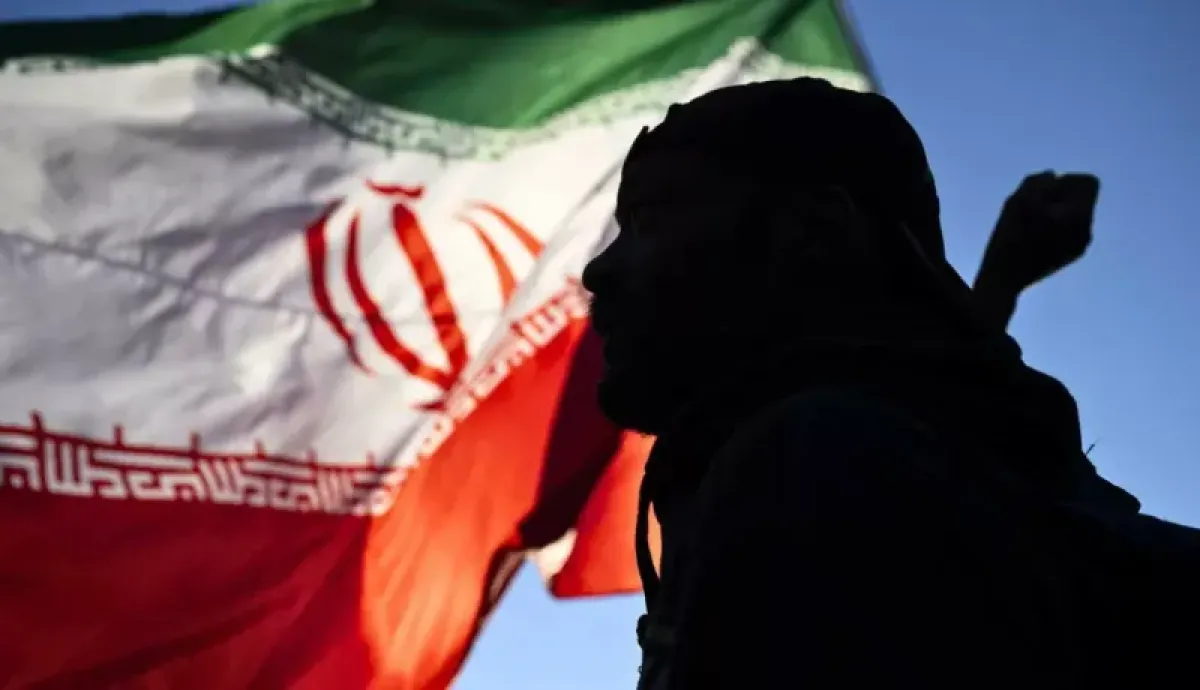
Iranian Ambassador Javad Abu Ali's recent activities in Mauritania have reignited concerns over Tehran's efforts to expand its regional influence through unconventional diplomatic channels, prompting an official protest from the Mauritanian Ministry of Foreign Affairs.
The Mauritanian ministry summoned Ambassador Abu Ali to lodge a formal complaint regarding "actions and movements inconsistent with diplomatic norms and traditions." The incident, which involved an unannounced visit to a rural area by the ambassador, bypassed official channels and necessitated intervention by Mauritanian foreign and security agencies.
Observers suggest such maneuvers could represent a tactic in Iran's strategy to broaden its reach beyond official diplomatic ties by establishing direct lines of communication with local communities and non-governmental figures. These efforts, particularly when a diplomat operates outside the capital and official institutions, are viewed as potential means for intelligence gathering and relationship building that could verge on covert intelligence activities, though Nouakchott has not made such accusations officially.
The visit generated notable security interest, with local sources reporting interrogations of three individuals, including the host, following the ambassador's reception. Unconfirmed reports also indicated gunfire during the event. The escalation from a rural visit to a security matter and then a diplomatic protest underscores the sensitivity surrounding the activities of the Iranian mission.
Mauritania's official response, emphasizing respect for sovereignty and non-interference in internal affairs, signals a clear intent to delineate boundaries for Iranian engagement, confining bilateral relations to official cooperation and preventing the embassy from becoming a platform for parallel influence-building within society.
Analysts warn that Iranian influence campaigns often commence subtly through cultural, social, or religious activities and local connections before evolving into broader networks. This makes any uncoordinated diplomatic actions a subject of scrutiny, especially given Iran's regional history of utilizing local networks and non-state actors to bolster its political and security presence.
While the specifics of the Mauritanian situation do not yet confirm an organized Iranian network or defined intelligence operation, these concerns are amplified by Iran's widening influence across the Middle East through affiliated proxies and networks. Observers caution against the potential transfer of similar influence tools to new regions like Africa and the Sahel.
The Mauritanian Ministry of Foreign Affairs has clarified that its protest does not target relations with Tehran, reaffirming commitment to mutual respect and constructive cooperation. However, it has clearly established red lines against any activities exceeding diplomatic norms, aiming to preempt the potential transformation of diplomatic engagement into a tool for internal influence or the establishment of informal channels for intelligence gathering and network building under the guise of social and diplomatic relations.