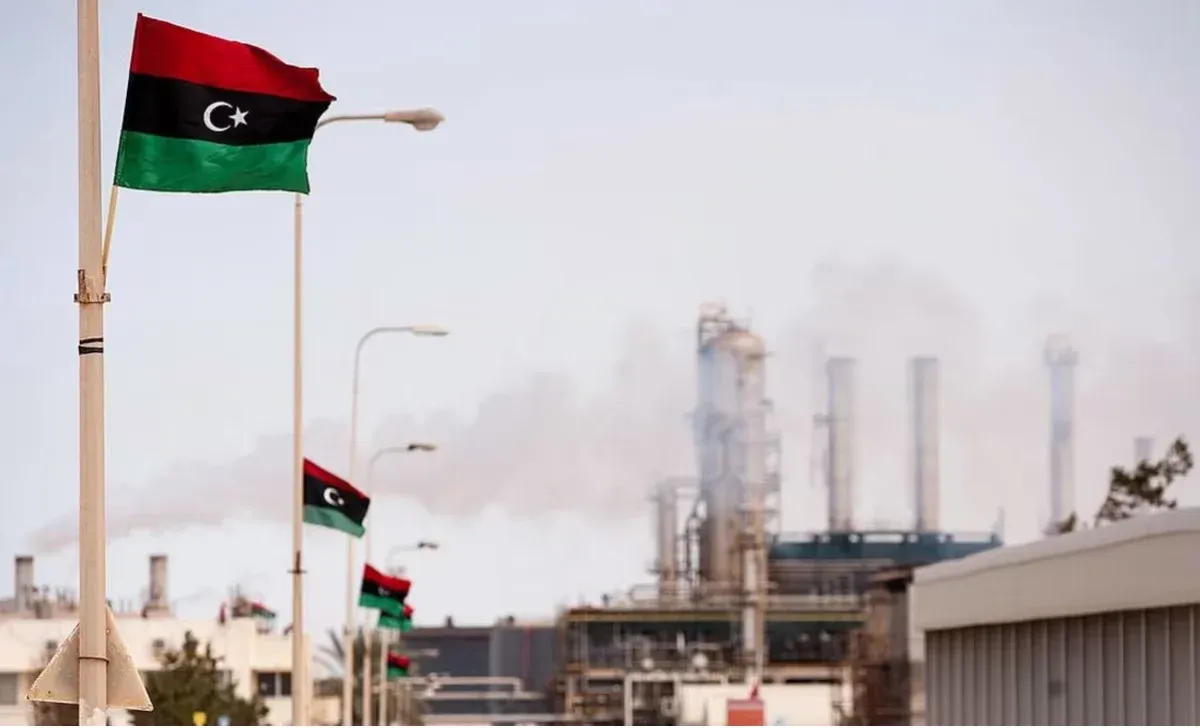
Recurring attacks on energy facilities in Libya have ignited new concerns regarding the authorities' ability to safeguard the nation's economic lifeline, following a drone strike on fuel tanks at a Brega company depot near the airport in Tripoli. This incident occurs just weeks after a similar attack targeted an oil facility in the city of Zawiya.
While the immediate damage from the recent strike appeared limited and no casualties were reported, the gravity of the incident extends beyond material losses. The targeting of energy infrastructure within the capital highlights the vulnerability of the security apparatus surrounding the oil sector. This raises critical questions: Who possesses the capability to access these facilities and deploy drones against them, and why are these attacks escalating at this particular time?
The National Oil Corporation announced that a drone targeted fuel tanks at the Brega depot, prompting emergency teams to increase their readiness and initiate precautionary measures to drain fuel from the affected tanks. Officials confirmed that operations at the Tripoli port continued normally, with the receipt of oil shipments and the supply of fuel to stations resuming their operational schedule after a temporary halt. Debris from the drone caused material damage to several pipelines and two tanks, but no injuries were sustained. Technical teams are assessing the damage alongside security investigations to determine the nature and origin of the drone and identify those responsible.
Despite the controlled situation and the continued operations at the port, the repeated targeting of energy-related facilities suggests that the issue is more than isolated incidents. The attack on the Brega depot followed a similar drone strike on an oil tank in Zawiya approximately three weeks prior, which resulted in a widespread fire lasting several days. Subsequent attacks have also affected power stations. This pattern indicates that Libya's oil and electricity infrastructure is being drawn back into the country's ongoing political and security conflicts, exacerbated by political fragmentation and multiple armed factions.
These developments are particularly sensitive as the Libyan economy heavily relies on oil. Storage, transportation, and export facilities are critical for production, revenue generation, and domestic fuel supply. Experts have warned that attacks on facilities like the Brega depot could deepen the crisis, especially given the challenges in maintaining full security control in parts of western Libya. The location of the Brega tanks near the airport places them within areas influenced by armed groups, underscoring the need for thorough security investigations to pinpoint the perpetrators.
The attacks are occurring amid significant pressures on the energy sector, including difficulties in fuel supply, illicit smuggling of petroleum products, and ongoing debates regarding fuel import mechanisms and associated expenditures. This vulnerability is compounded by the fact that attacks on oil facilities are not unprecedented in the capital; significant damage occurred during the "Libya Dawn" events in 2014. However, the current context, marked by efforts to maintain high production levels, makes any threat to oil infrastructure far more costly politically and economically.
The National Oil Corporation reported in June that crude oil production had reached approximately 1.44 million barrels per day, with combined crude and condensate production nearing 1.49 million barrels per day, the highest level since 2013. This high production capacity, however, stands in stark contrast to the persistent security risks threatening the very infrastructure that sustains it. A successful attack on storage, transport, or export facilities could have cascading effects on fuel and electricity supplies, national revenue, and overall production and export capabilities.
While identifying the perpetrators remains premature without concrete investigation results, the proliferation of armed groups and drone technology opens multiple scenarios, particularly given the long-standing entanglement of the energy sector with power struggles, funding, and smuggling. Experts emphasize that simply identifying the culprits is insufficient; measures must be implemented to prevent future attacks and protect vital installations. Damaging critical infrastructure threatens national interests, causing material and environmental harm, and endangering nearby populations. The repeated attacks risk exacerbating existing fuel and electricity crises, with losses extending beyond repair costs to include wasted resources and diminished operational efficiency.
Military analysts indicate that recent events reveal the acquisition of advanced capabilities, including drones, by armed groups in Libya, along with personnel trained in their operation. Some attacks may be intended to pressure adversaries by targeting economic activity, especially amidst conflicts over fuel smuggling, which has become a financial source for some factions. The possession of such capabilities by non-state actors represents a significant security development, posing greater challenges ahead. Enhanced protection of oil and electricity facilities, along with specialized surveillance and interception measures, is urgently needed.
The threat facing Libya's energy sector transcends the potential destruction of a tank or pipeline; it involves oil facilities becoming easily accessible targets in a multi-sided conflict. With production reaching record levels, safeguarding these installations is a critical test of the state's ability to secure its primary resources. The continuation of these attacks risks transforming oil from a key revenue source into an additional tool of leverage in the ongoing political and security struggle.