Houthi militia representatives have conveyed assurances to the U.S. administration regarding maritime security, reportedly in secret meetings facilitated by Oman, despite the group's public anti-American rhetoric. These discussions coincide with heightened military activity by the Houthis on the Yemeni west coast and escalating tensions in the Red Sea.
According to Reuters, U.S. officials held an undisclosed meeting with Houthi representatives in Muscat, the Omani capital, a few days prior. The discussions, which the Omani government helped arrange, were attended by Houthi leaders Mohammed Abdulsalam and Abdul Malik Al-Ejri, alongside staff from the U.S. Embassy, as revealed by five sources familiar with the matter.
During the encounter, the Houthi delegation reportedly sought to directly reassure Washington, stating their intention not to target American vessels and affirming their commitment to the May 2025 ceasefire agreement that halted a U.S. military campaign against the group. A Yemeni source indicated that the Houthis also pledged to refrain from attacking Israeli and other commercial ships, with the exception of vessels linked to Saudi Arabia. This suggests an effort by the Houthis to delineate distinct lines of engagement with the United States compared to their adversaries in the region.
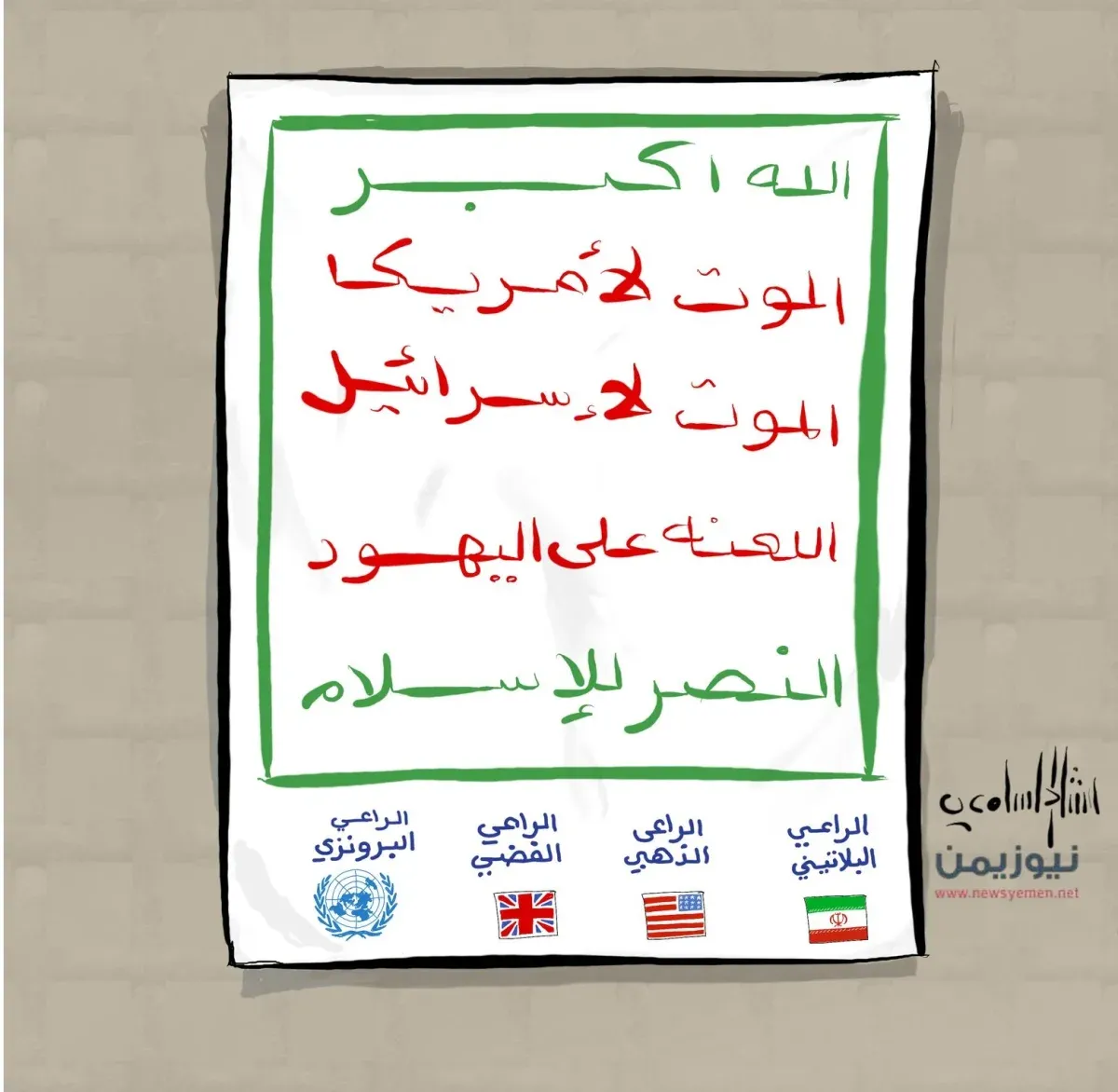
These overtures occur while the group continues to employ slogans such as "Death to America and Israel" in its public discourse. Simultaneously, Houthi leaders are engaging in direct and indirect negotiations with Washington, offering guarantees concerning navigation and American shipping. This dual approach highlights a divergence between the Houthis' public pronouncements and their private communications, particularly concerning the sensitive strategic locations of Bab al-Mandab and the west coast, and their importance to international maritime traffic.
U.S. President Donald Trump stated on Saturday that the Houthis had contacted his administration by phone, requesting that Washington remain uninvolved in the conflict in Yemen. Vice President J.D. Vance confirmed the existence of direct communications with the group. These contacts persist despite the Trump administration's designation of the Houthis as a "foreign terrorist organization" in March 2025, a classification that preceded subsequent direct negotiations culminating in the ceasefire agreement.
The U.S. State Department has not confirmed the Muscat meeting, and neither the Omani government nor Mohammed Abdulsalam responded to Reuters' requests for comment, leaving the specifics of the encounter to the accounts of informed sources. While the Houthi militia portrays itself as being in open confrontation with the United States and Israel, their recurring communications indicate a concurrent effort to maintain open negotiation channels with Washington, particularly on matters pertaining to the Red Sea and Bab al-Mandab, thereby enabling them to manage the level of escalation according to their military and political interests.