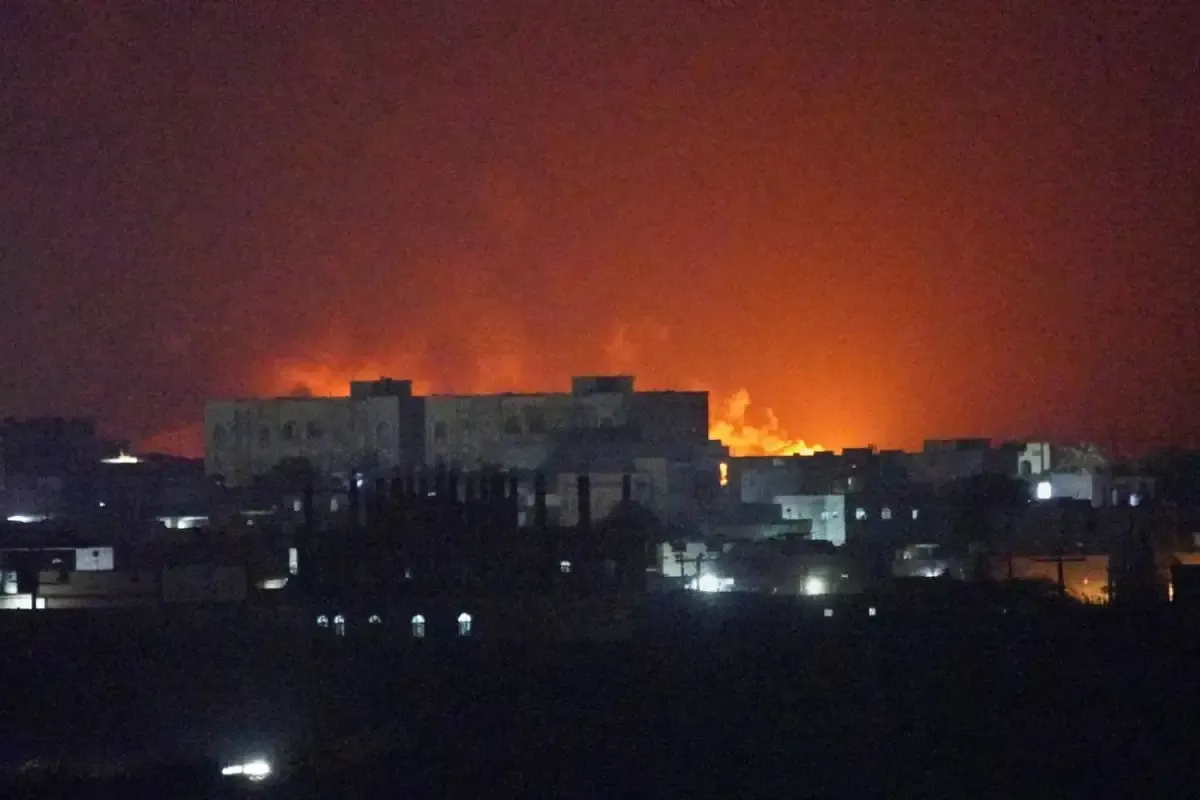
A spokesperson for the National Resistance revealed new details concerning recent battles on the western coast fronts, asserting that the Houthi offensive was a months-in-the-making, large-scale operation overseen by Iran's Revolutionary Guard and its experts.
Brigadier General Sadeq Duwid stated that the operations, which ran from August 9 to September 9, were part of what he termed "Iran's war." The Houthi militia mobilized over 76,000 fighters with the objective of controlling Bab al-Mandab. Duwid noted that the National Resistance defended a front approximately 170 kilometers long, in addition to protecting shores and islands.
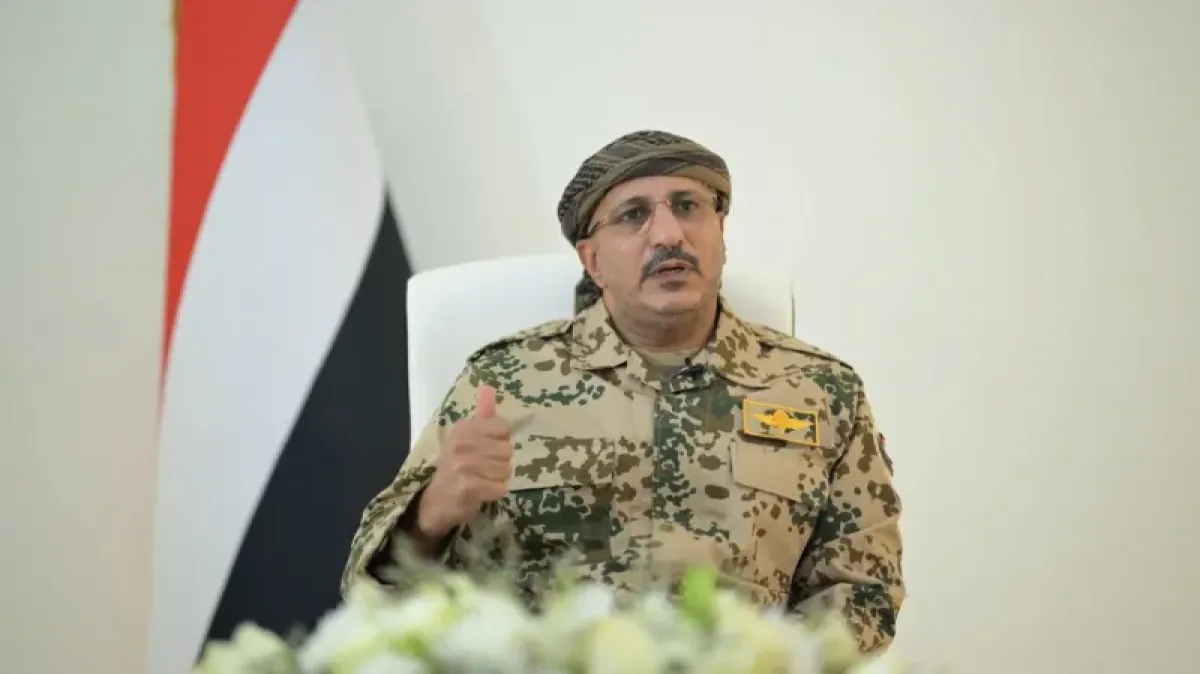
He explained that over a single month, the Houthis launched 130 ballistic missiles, 145 suicide drones, and 15 explosive boats. According to his account, 23 missiles and 18 drones specifically targeted the command center and residence of Presidential Leadership Council member Tarek Saleh, along with other locations believed to be occupied by the commander. Duwid highlighted an unprecedented intensity of fire, with one defensive position enduring nearly 85 mortar shells before an attempted assault, a rate far exceeding typical tactical levels.
Indicating the scale of the Houthi mobilization, the National Resistance spokesperson disclosed that the electronic warfare unit detected 5,346 radio communication devices near the lines of contact, with 3,181 in the Al-Barih front and 2,165 in the Hodeidah front. He clarified that each device was used by faction leaders or groups numbering between 10 and 30 fighters, underscoring the extensive mobilization for the attack.
Duwid pointed out that the militia continued to employ missiles and suicide drones even during the withdrawal of forces, aiming to prevent regrouping and reorganization. He added that the clashes resulted in significant Houthi casualties, while preliminary figures for the National Resistance's dead and wounded exceeded 2,000 soldiers, a number still being compiled.
He affirmed that the extent of human losses sustained by the Resistance during the battles reflected the nature of the confrontations on the western coast, describing them as among the major engagements fought by anti-Houthi forces since the war began. In a political and military assessment, Duwid stated that the National Resistance has formed an "obstacle to the Iranian-Houthi project in the Red Sea" and a barrier against efforts to control Bab al-Mandab, emphasizing that his forces fought in defense of liberated areas and the Yemeni Republic.
He concluded by stressing the continuation of the fight, stating that the National Resistance will persist in its confrontation in cooperation with other anti-Houthi forces, considering "unity among those with a common project" essential for victory and the restoration of the state. He reiterated that losing the recent round does not signify a broken will for resistance.