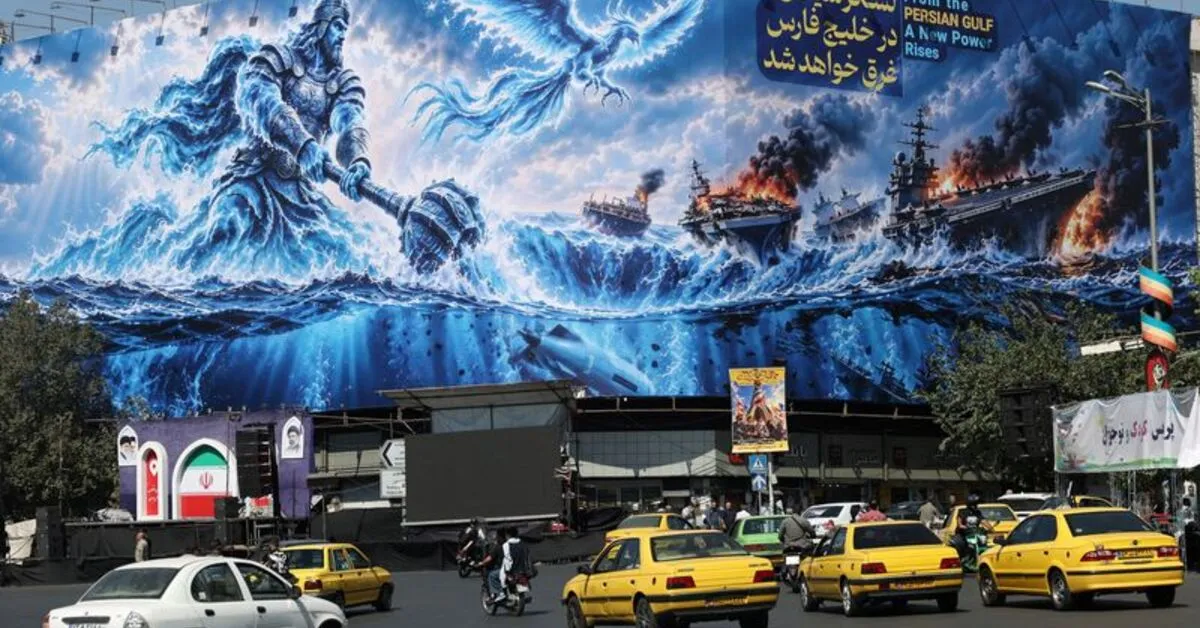
President Donald Trump is set to address the United Nations amidst a protracted and increasingly destabilizing war with Iran, facing a global audience skeptical of his administration's handling of the conflict and regional security. Six months into the war, which began after Trump claimed to have "totally obliterated" Iran's nuclear sites, the world body is concerned about escalating instability and an undiminished nuclear threat.
Despite military and economic pressure, Iran has remained defiant, disrupting oil shipments and leveraging its Houthi allies in Yemen. The Houthi tightening grip on a Red Sea chokepoint has further spiked global energy prices, complicating President Trump's position and exposing the limitations of U.S. influence in protecting regional partners. European and Asian allies have largely eschewed Trump's requests for assistance in a conflict initiated without their consultation and which has negatively impacted their economies.
Domestically, rising gasoline prices and flagging approval ratings present a potential political challenge for Trump and the Republican Party ahead of the midterm elections. Analysts note that the current situation highlights the unintended consequences of initiating a conflict without fully anticipating its repercussions. The war, which Trump had projected as a swift resolution, has devolved into an uneasy stalemate, failing to achieve its stated objectives and depleting Pentagon missile stockpiles.
The conflict's complexities have deepened with the Houthi advance along the Red Sea coast, threatening a crucial shipping corridor and Iran's ability to further imperil global oil supplies. While a senior Trump administration official stated the U.S. is focused on freedom of navigation and empowering regional partners, doubts persist regarding Iran's nuclear program. Experts dispute Trump's claims of having eradicated Iran's nuclear capacity, suggesting the strikes merely set back the program.
Trump's narrative of being a peacemaker, including claims of ending a recent Israel-Iran conflict and seeking a Nobel Peace Prize, contrasts with the current reality. His decision to strike Iran in February, citing an imminent nuclear threat, has been met with skepticism from experts who dispute Iran's proximity to developing nuclear weapons, a claim Tehran consistently denies. Analysts suggest Trump underestimated Iran's resilience, as Tehran has retaliated despite significant losses and maintained a stockpile of enriched uranium.
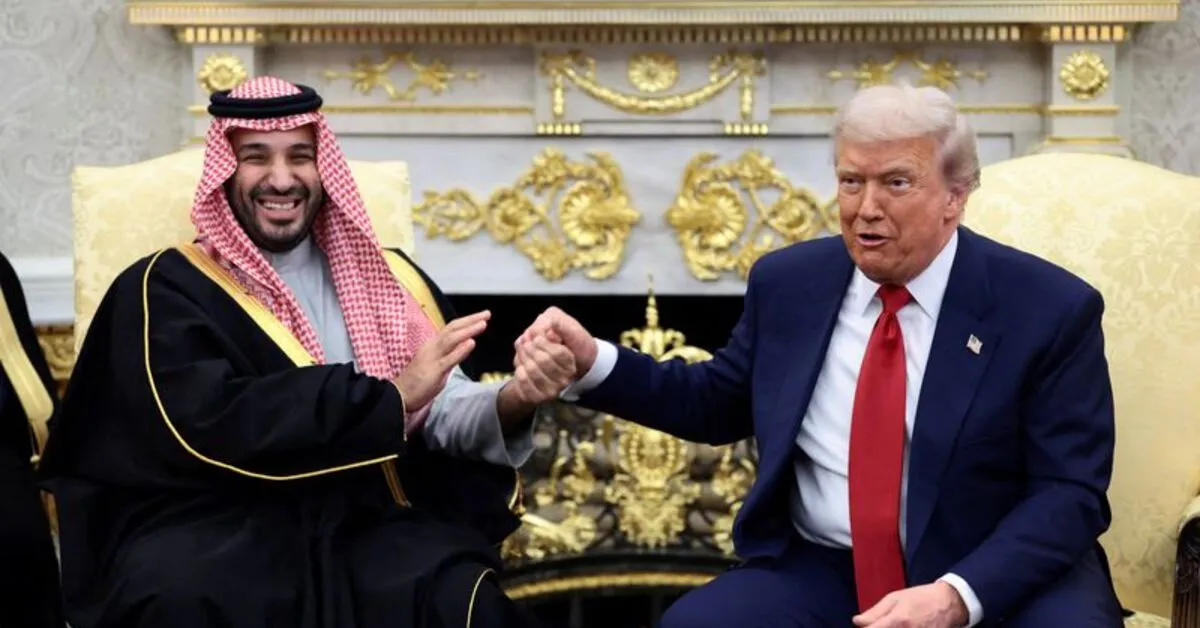
White House statements assert Trump's decisive action against Iran's nuclear program has achieved all objectives, with sanctions and a U.S. maritime blockade crippling Tehran's economy. However, Trump's reluctance to intervene directly against the Houthis, despite pleas from Saudi Arabia, has eroded confidence in U.S. security guarantees among Gulf states. This situation presents a significant dilemma for Trump, balancing the strategic imperative of keeping shipping corridors open against the risks of further military entanglement.
U.S. officials have engaged with the Houthis, who reportedly stated their targets were Saudi shipping and not American vessels. The re-emergence of the Houthis as a regional threat complicates Trump's exit strategy from the conflict, which has entered its seventh month. While Trump has expressed optimism about an end to the war, analysts warn of a prolonged conflict that could extend beyond the midterm elections, with Iran perceived as strategically leveraging the situation to its advantage.