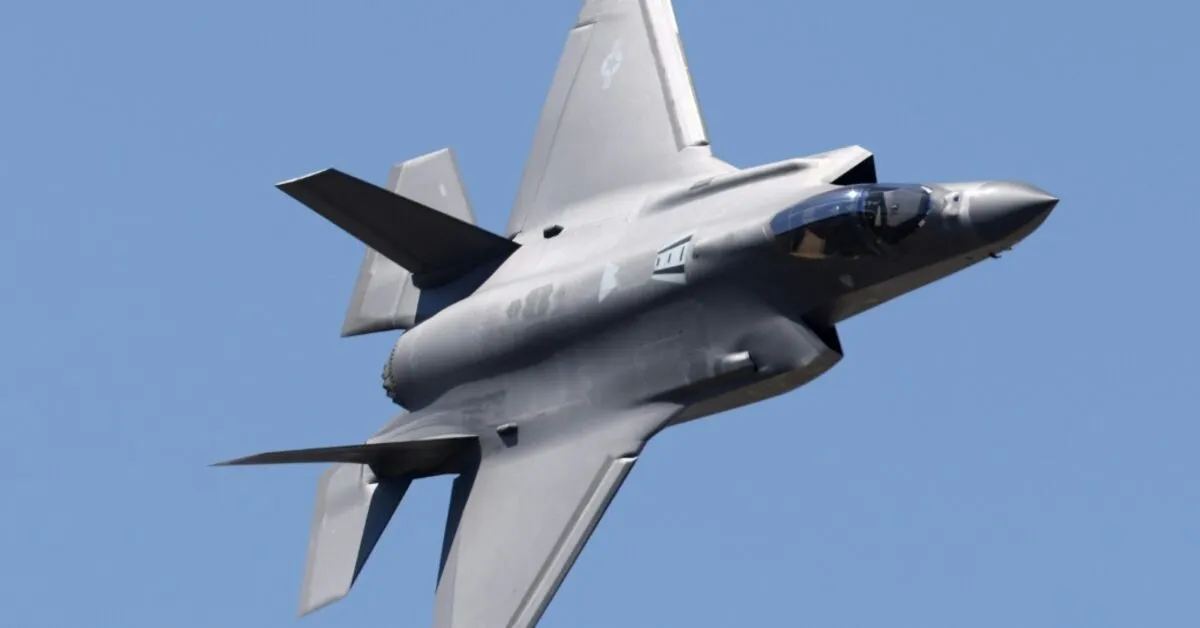
The United States has approved a $24.3 billion sale of 48 F-35 stealth fighter jets to Saudi Arabia, marking a significant arms acquisition for the kingdom amidst ongoing regional tensions.
The State Department announced the approval on Thursday, noting that the proposed sale aims to bolster Saudi Arabia's homeland defense capabilities and improve its interoperability with U.S. forces. The F-35 jets are intended to deter current and future threats and enhance the kingdom's air-to-air and air-to-ground self-defense capabilities. This move comes as Saudi Arabia has sought to acquire the advanced aircraft for years, despite concerns previously raised by Israel, the only Middle Eastern nation currently operating the F-35.
The State Department has formally notified Congress of the proposed sale, which is subject to approval by U.S. lawmakers. While no specific delivery timeline has been provided, officials stated that the sale is not expected to alter the military balance in the region, adhering to the long-standing U.S. policy of ensuring Israel maintains a military edge over potential adversaries.
Concerns have been raised regarding potential Chinese espionage risks associated with the F-35 technology. U.S. intelligence analysts have reportedly cautioned that Beijing could gain access to sensitive technology through partnerships with Riyadh. U.S. Representative Raja Krishnamoorthi has publicly opposed the sale on these grounds, stating it should not proceed if it risks making "the crown jewels of American military technology within reach of the Chinese Communist Party."
This proposed F-35 sale is the latest in a series of substantial arms deals for Saudi Arabia this year. Earlier in September, the U.S. approved a $5 billion sale of over 10,000 bombs, including high-yield munitions. Additionally, the U.S. sanctioned the sale of 60 tank engines for $750 million and a $1.96 billion deal for precision-guided rocket components in July.
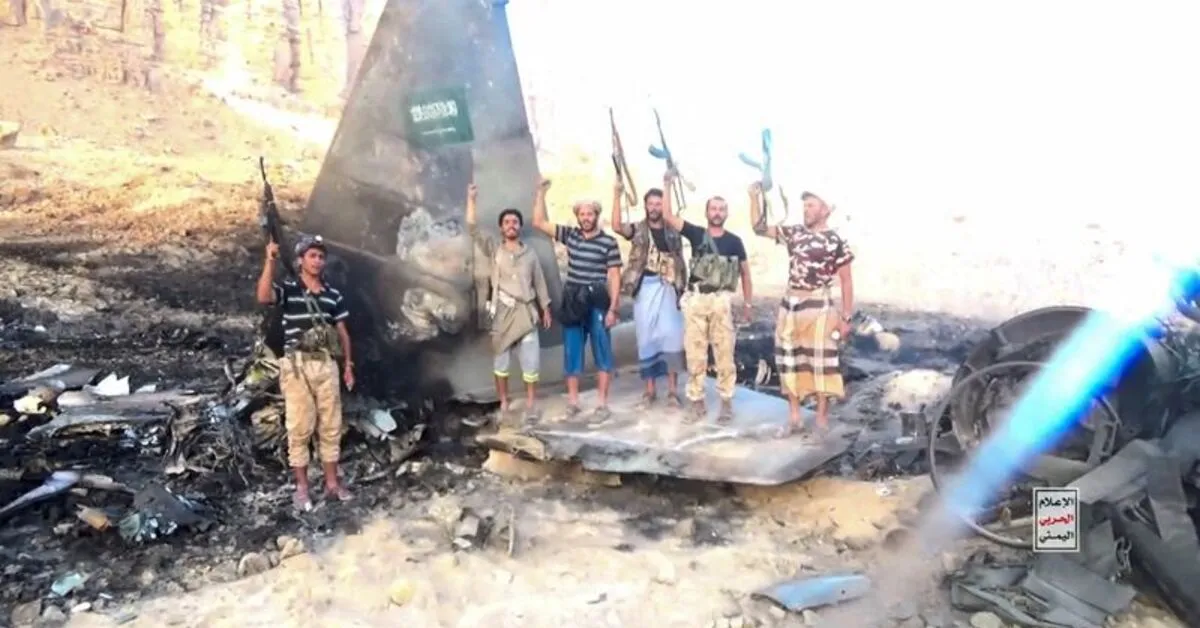
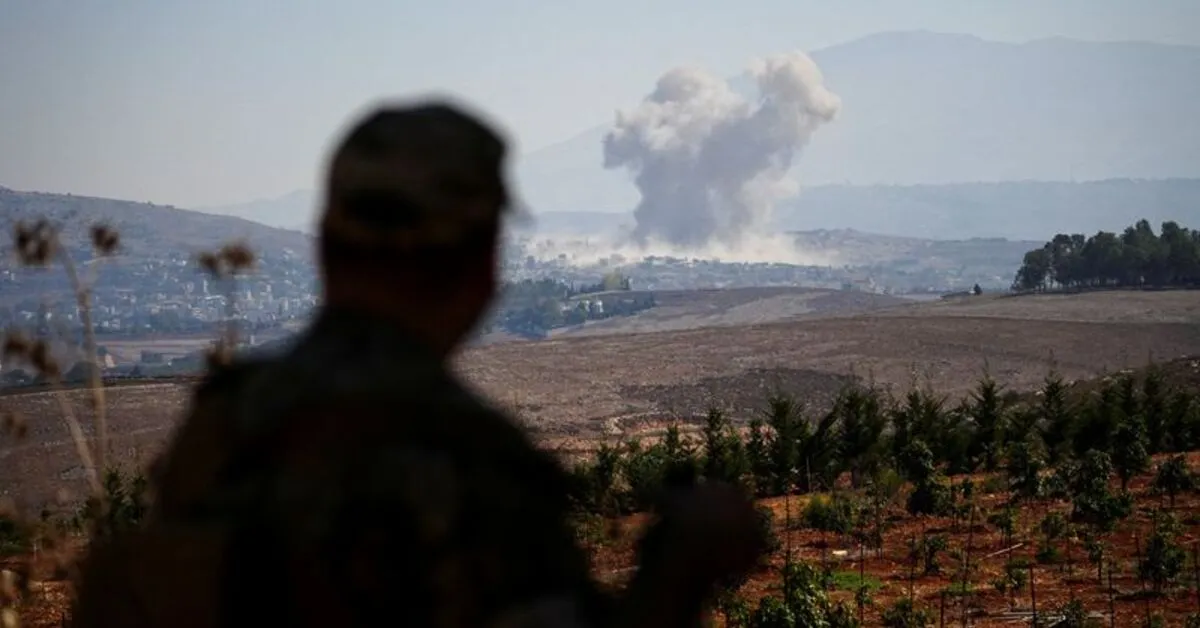
Saudi Arabia has faced increased drone and missile attacks from Iranian forces and Houthi rebels since the commencement of the war against Iran in February. The recent resurgence of fighting in Yemen's civil war has led to a declared maritime blockade by Houthi rebels targeting Saudi shipping in the Red Sea. While the U.S. has not directly entered the conflict, an American military task force is reportedly working to enhance intelligence sharing and provide planning assistance to Saudi forces.