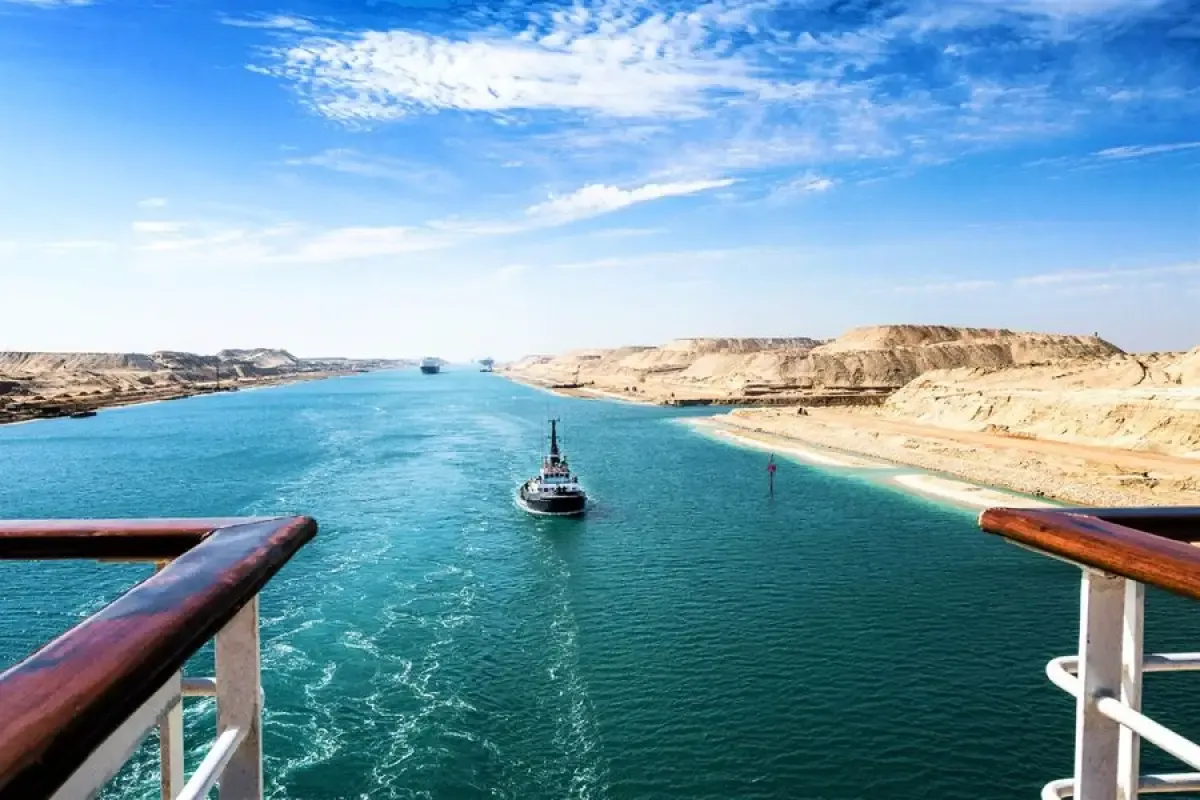
The Suez Canal faces renewed challenges as escalating tensions in the Bab al-Mandab strait and the Red Sea threaten the nascent recovery of maritime traffic through the waterway.
Data from the Suez Canal Authority indicates an improvement in vessel transits during August, with 1,358 ships passing through, carrying 68.3 million tons and generating $567.1 million in revenue. This marks a significant increase compared to August 2025, when 1,070 ships, 45.2 million tons, and $326 million in revenue were recorded. This upturn coincides with the return of several shipping companies to the Suez route, opting against the longer passage around the Cape of Good Hope.
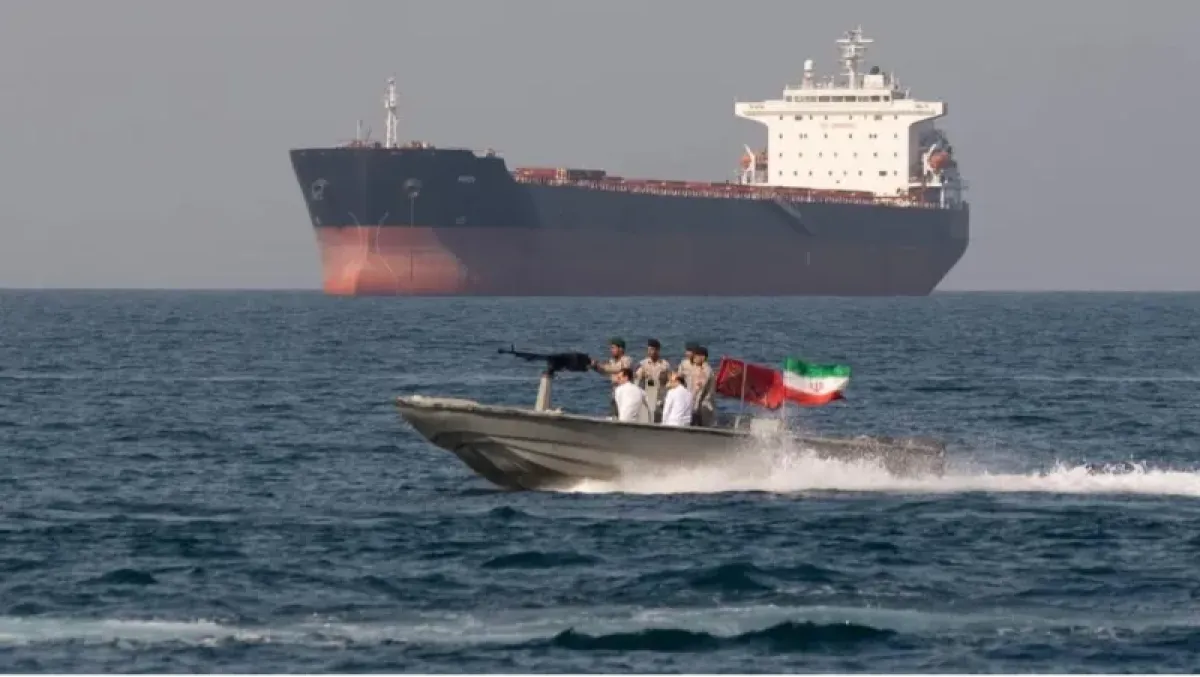
In September, major shipping lines like Maersk and Hapag-Lloyd announced the redirection of four joint services via the Suez Canal. However, the continuation of these routes is contingent on the evolving security situation in the Red Sea. Persistent Houthi activity in the Bab al-Mandab strait has rekindled concerns of a setback, particularly with escalating threats against Saudi-linked vessels and a broadening of conflict along Yemen's western coast and areas near the vital maritime corridor.
The implications for Egypt are profound, as the security of the Suez Canal is intrinsically linked to the stability of the entire Red Sea maritime route, including the Bab al-Mandab strait. Any sustained increase in security risks or insurance costs could prompt shipping companies to reroute their vessels, even without a direct attack on the canal itself.
Cairo is actively addressing the issue from a navigation security perspective. During a meeting in Cairo, Egyptian President Abdel Fattah El-Sisi and Saudi Crown Prince Mohammed bin Salman affirmed the necessity of maintaining the security and freedom of navigation in the Red Sea and the Bab al-Mandab. Egypt's stance does not indicate an intention for direct involvement in the Yemeni conflict, instead prioritizing the protection of maritime routes and supporting a political resolution to the conflict.
Further complicating the situation are European calls to bolster the 'Aspides' naval mission in the Red Sea and defensive measures announced by the United Kingdom to support Saudi Arabia, amidst ongoing fears of expanding maritime threats. For Egypt, the challenge extends beyond safeguarding the Suez Canal from direct attack; it encompasses maintaining commercial confidence in the maritime route and ensuring the Bab al-Mandab does not become a high-risk zone that forces shipping companies back to the Cape of Good Hope route. The sustained recovery of Suez Canal traffic and revenues remains heavily dependent on stability in the southern Red Sea. Prolonged instability in the Bab al-Mandab could expose Cairo to an indirect economic threat, potentially losing a portion of the shipping traffic that has only recently begun to return.