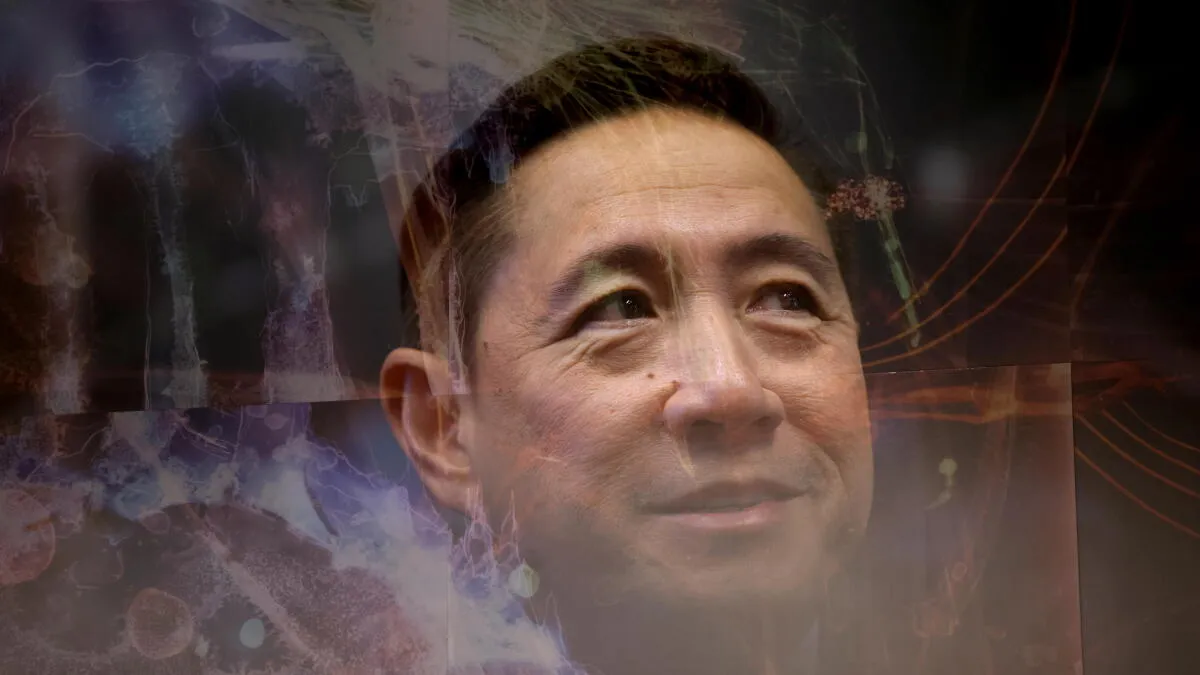
A new book by Dr. Zaldy Tan, director of the Cedars-Sinai Memory & Healthy Aging Program, provides insights into differentiating normal age-related memory lapses from potential signs of cognitive impairment and offers strategies for resilience.
Dr. Tan's book, "What to Remember When You Are Forgetting: How to Thrive with Memory Loss, Alzheimer’s, and Other Dementias," draws upon over two decades of clinical practice and research. It aims to help individuals and their families understand when memory concerns warrant medical attention and when they are simply a part of the natural aging process. The book addresses the common experience of forgetting where keys or glasses are, or struggling to recall a word or name, distinguishing these from more serious cognitive decline.
The publication comes amidst growing concerns about cognitive health, as exemplified by Adai Lamar, daughter of an 84-year-old patient with vascular dementia. Lamar shared her personal journey of anxiety regarding her own cognitive health, prompted by her mother's diagnosis and the knowledge that symptoms can manifest years before a formal diagnosis. Her visit with Dr. Tan reassured her that her own health was not impaired and provided her with strategies to mitigate risks.
Dr. Tan emphasizes that while there is no cure for dementia, early evaluation is crucial for identifying treatable causes, such as depression, sleep deprivation, thyroid issues, or vitamin deficiencies. For those with dementia, prescription medications can help manage symptoms and delay progression in the early stages. Furthermore, extensive evidence supports lifestyle interventions like controlling diabetes and hypertension, ensuring adequate sleep, regular exercise, and a healthy diet as key strategies for reducing risk.
The book also highlights contrasting patient experiences. Ed, a screenwriter, withdrew from social interactions due to embarrassment over potential recognition failures, while Pearl, a former nurse diagnosed with mild cognitive impairment, embraced life with extensive travel, piano lessons, and volunteer work. These narratives underscore the varied ways individuals can navigate memory loss, with Tan advocating for a proactive and engaged approach, even amidst cognitive challenges.
Reflecting on the impact of dementia, Dr. Tan uses the analogy of a "tiny spark" that can lead to significant loss, yet finds hope in signs of life and renewal, likening it to a scorched branch showing new growth. He concludes that while memories may fade and relationships may change, the capacity for love and connection, symbolized by the heart, endures.