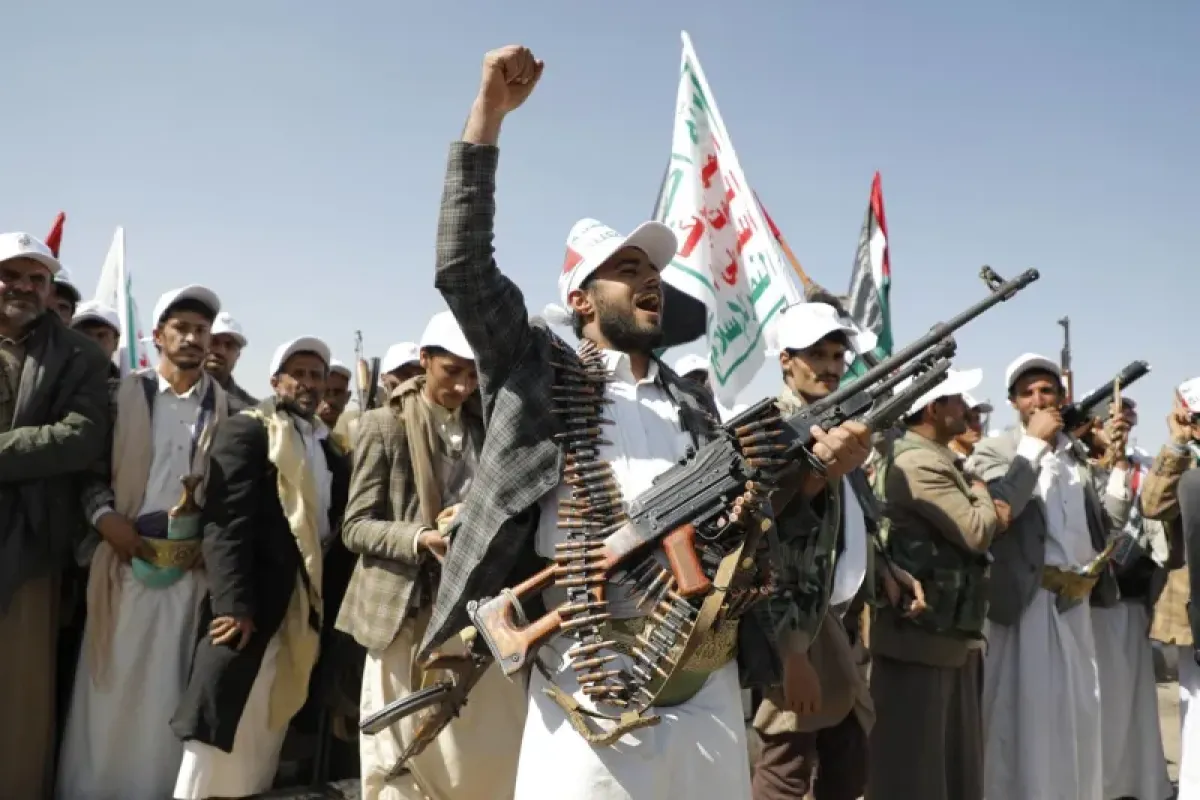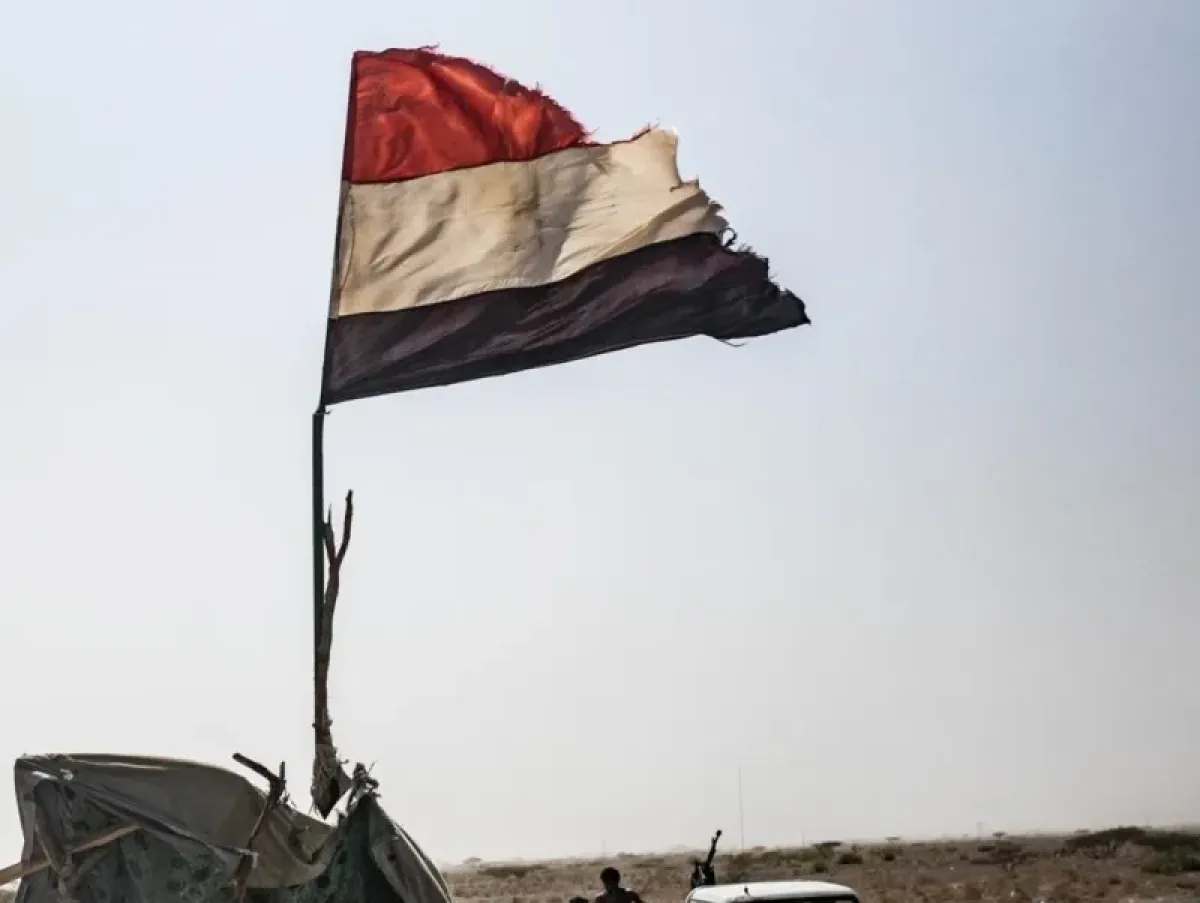
Yemeni government forces have conducted 756 targeted operations against Houthi positions and personnel over a 72-hour period, signaling a significant escalation and diversification in the nature of the conflict. The data suggests a shift from limited exchanges of fire to a more intense, multi-front engagement.
According to Colonel Majid Abdullah Al-Nuzaili, the official spokesperson for the Yemeni Armed Forces, these operations spanned multiple fronts, including Kataf, Al-Baqaa, Uqlab, Al-Jawf, Marib, Al-Bayda, Lahj, and Taiz. The military employed a range of assets, including the air force, drones, snipers, field artillery, and rocket launchers.
The statement detailed that these operations resulted in the destruction or damage of troop carriers, vehicles, reinforcements, rocket launching platforms, and ammunition depots. Furthermore, 2,316 combatants were neutralized, as reported by the armed forces. The sheer volume of these operations equates to an average of over 10 strikes per hour throughout the 72-hour timeframe. While not necessarily indicating 756 separate battles, the term "targeting operation" can encompass multiple strikes within a single operational context, suggesting a high level of military activity.
The geographical distribution of these operations, extending from the northern borders to Marib, Al-Jawf, Al-Bayda, Taiz, and Lahj, indicates a multi-axis escalation. This broadens the conflict's scope, potentially complicating Houthi logistical and reinforcement efforts. However, these figures represent official military claims from one party in the conflict, and independent verification from open sources for all human and material losses remains limited.
This surge in operations coincides with political developments, as the Yemeni presidency has announced plans for general mobilization and new executive measures. President Dr. Rashad Al-Alimi's directive to expedite general mobilization and "safe return" policies, coupled with praise for the armed forces' ability to regain the initiative, suggests a coordinated political and military strategy. The diverse weaponry employed, from air power to artillery and snipers, points to a combined approach of reconnaissance, precision targeting, and ground operations.
The extensive geographical spread of the fighting, from the southwestern fronts of Taiz and Lahj to the central and northeastern areas of Marib and Al-Jawf, and the northern fronts of Kataf, Al-Baqaa, and Uqlab, signifies a complex network of interconnected fronts. While not every front may be engaged simultaneously, the intensity and breadth of military activity over a short period are notable. In such a scenario, resource management, ammunition supply, intelligence, and logistics become critical factors, potentially more so than the sheer number of reported operations.
The government narrative also claims the death of four specialized Iranian experts, adding another dimension to the escalation, though this remains an assertion requiring independent substantiation. The true test of these operations lies not solely in their quantity but in their tangible outcomes on the ground. While increased strikes can degrade enemy capabilities, strategic transformation requires consolidating gains, securing supply lines, managing territory, and translating military pressure into political change.
Ultimately, the reported 756 operations indicate a trajectory toward higher intensity and greater diversity in tactics and fronts within the Yemeni conflict. However, they do not definitively predict the war's ultimate direction. The critical distinction between intense military escalation and genuine strategic change will be determined by the coming phase: the government forces' ability to sustain this tempo, the conversion of firepower into sustainable battlefield gains, the Houthi response, and whether this escalation leads to a new political path or a wider war. The significance of the 72-hour figure lies in its revelation that the rules of engagement in Yemen have entered a more intense and complex phase, suggesting that the days ahead may hold greater significance than the numbers themselves.