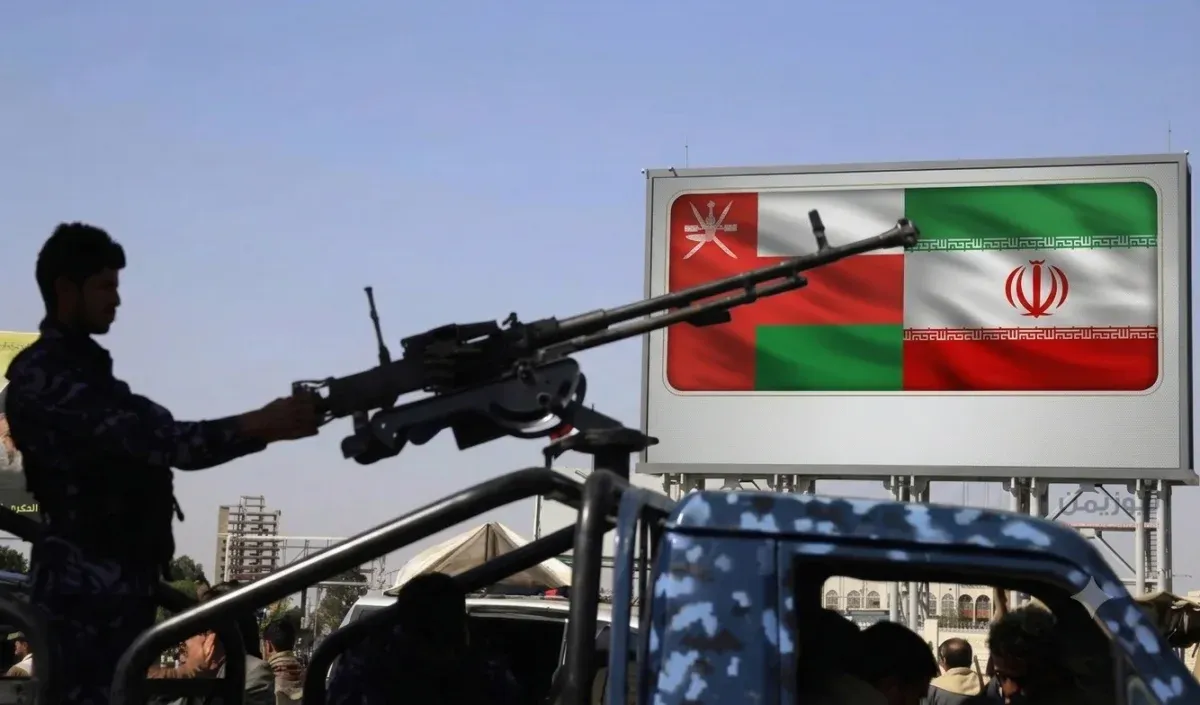
Omani diplomatic efforts in Yemen are facing scrutiny following revelations of alleged military aircraft flights to Houthi-controlled Sana'a, despite Muscat's stated position as a neutral mediator.
Human rights activist Abdul Qadir Al-Kharaaz presented documents, reportedly from a breach of Houthi aviation authority files, detailing permits for Omani military flights. These documents allegedly include passenger manifests featuring prominent Houthi leaders. While these claims await independent verification, and official statements from Oman or the Houthi administration are yet to be released, the issue is compounded by previous reports.
Expert panel reports from the United Nations have previously documented the use of Omani borders for smuggling military-use materials to Houthi-controlled territories. Security assessments indicated regular transit of drone control systems, engines, GPS devices, and communication equipment through the Shahn and Sarfeit border crossings between Oman and Yemen. Omani authorities have consistently assured UN experts of stringent border controls and thorough inspections.
Further UN expert reports have detailed the interception of weapons and military components reaching Yemen via routes linked to Oman, identifying the land route through Oman as a method for delivering equipment to the Houthis. The controversy extends beyond land and air routes, with indications of increasing maritime smuggling of components suspected to be connected to Houthi-bound smuggling networks.
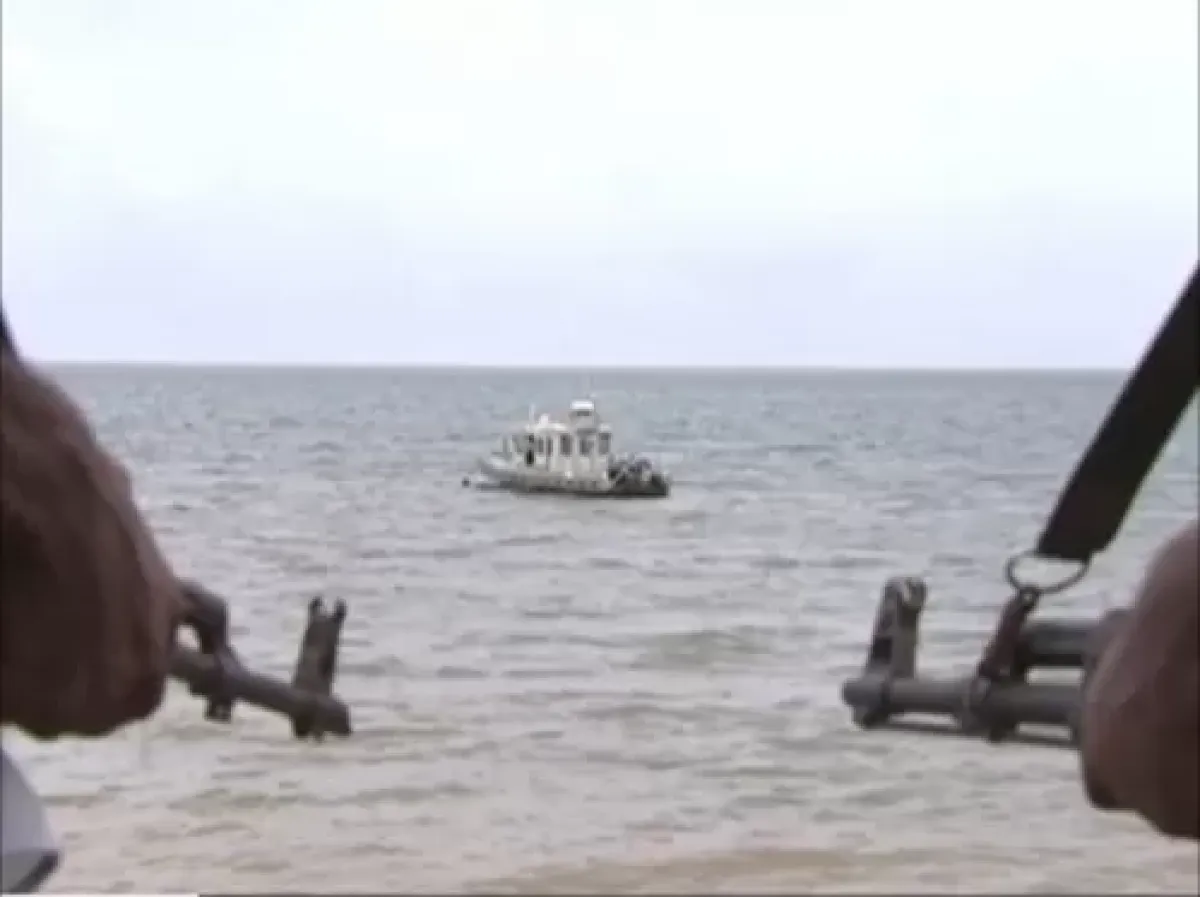
These maritime routes have gained significance due to the expanding scope of illegal maritime activities in the Arabian Sea, Gulf of Aden, and Red Sea, and the difficulty in monitoring shipments transported by small boats or vessels that alter their routes mid-journey. Maritime sources in Hodeidah Governorate have reported observing unusual cargo ship movements and maritime activity in recent weeks on shipping lanes connected to the western coast, including vessels originating from Omani coastlines before proceeding to Houthi-controlled ports.
These developments, according to sources, are occurring amidst concerns that regular commercial and maritime activity might be exploited to smuggle undeclared shipments to the Houthi group. These concerns are bolstered by recent maritime investigations that tracked the movement of vessels, such as the gas tankers NOOH GAS and MEER GAS in July 2026, to areas near Ras Isa after complex maritime maneuvers involving Djibouti and the Yemeni coast. One of the tankers was reportedly sighted off the Omani coast. Maritime sources in Hodeidah emphasize the need for greater scrutiny of vessels, their cargo, and the entities involved, especially given internationally documented instances of maritime networks being used to transport materials and components related to Houthi military capabilities.
These revelations coincide with Oman's active political role in Yemen, hosting communications and negotiations with the Houthis and positioning itself as a party seeking de-escalation and supporting a political resolution.