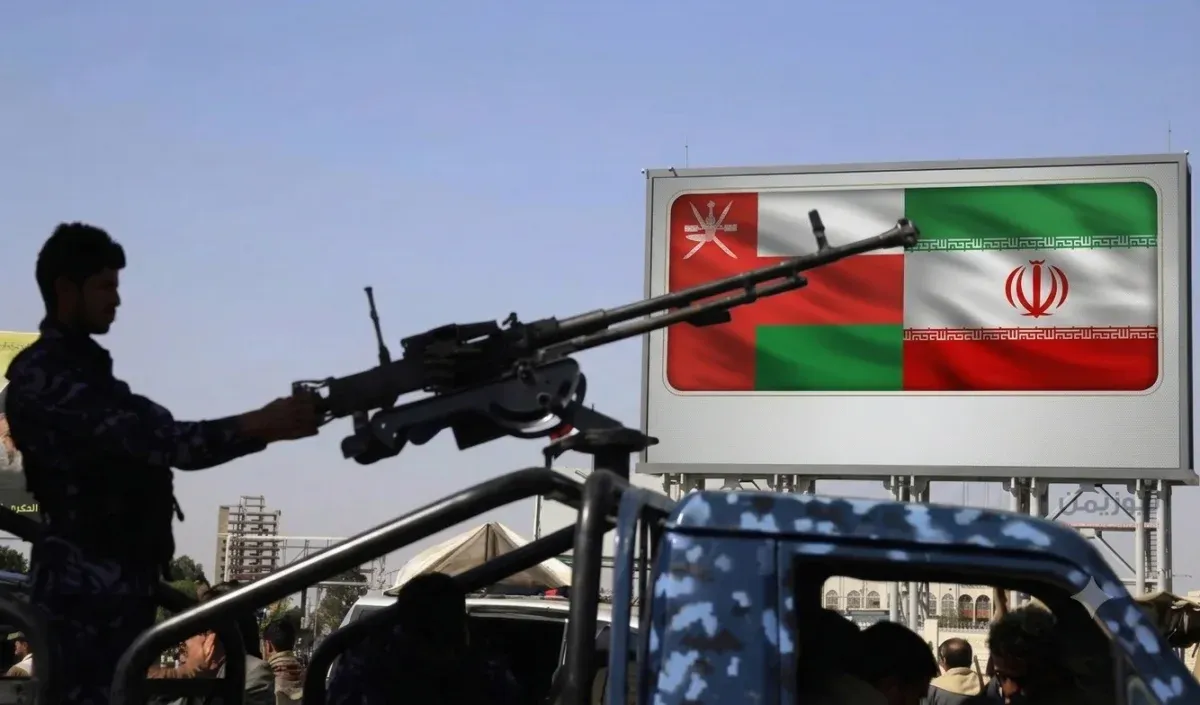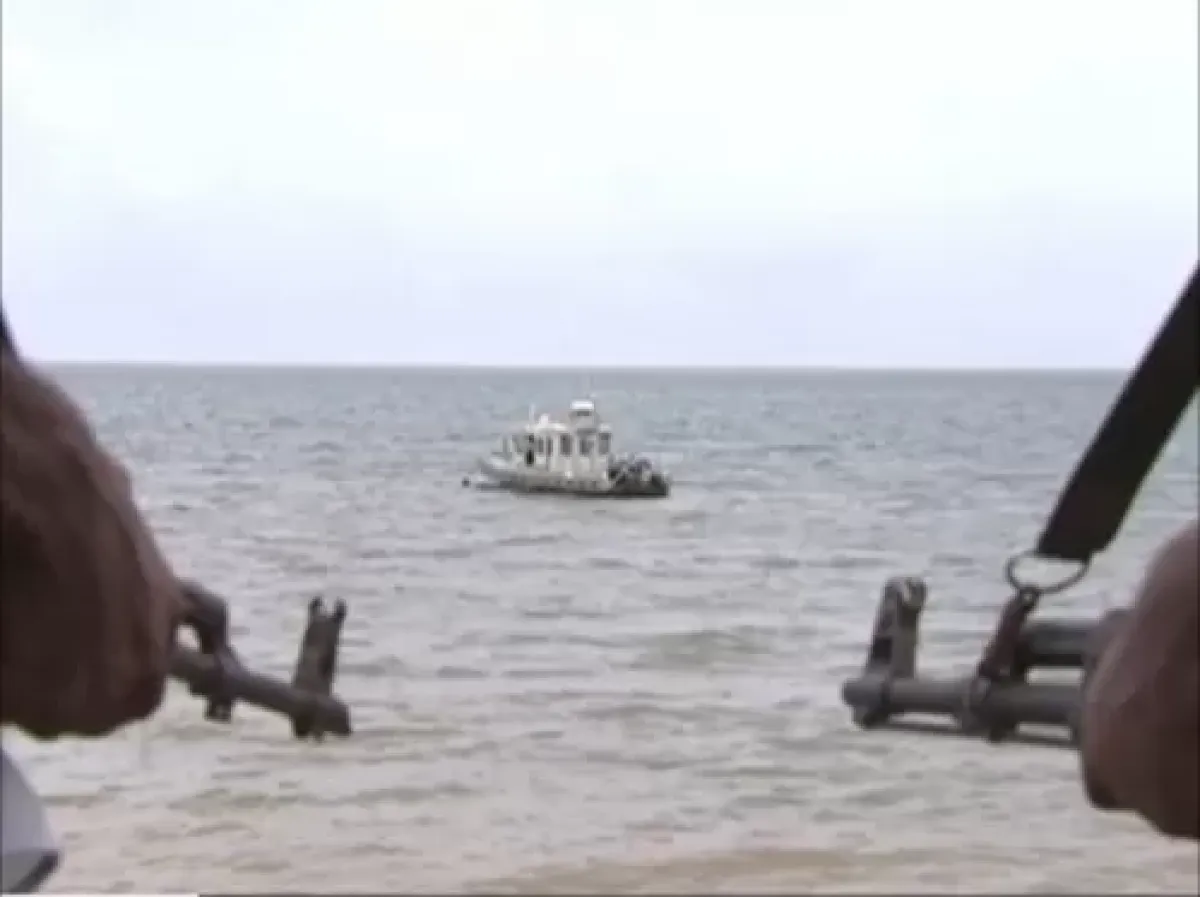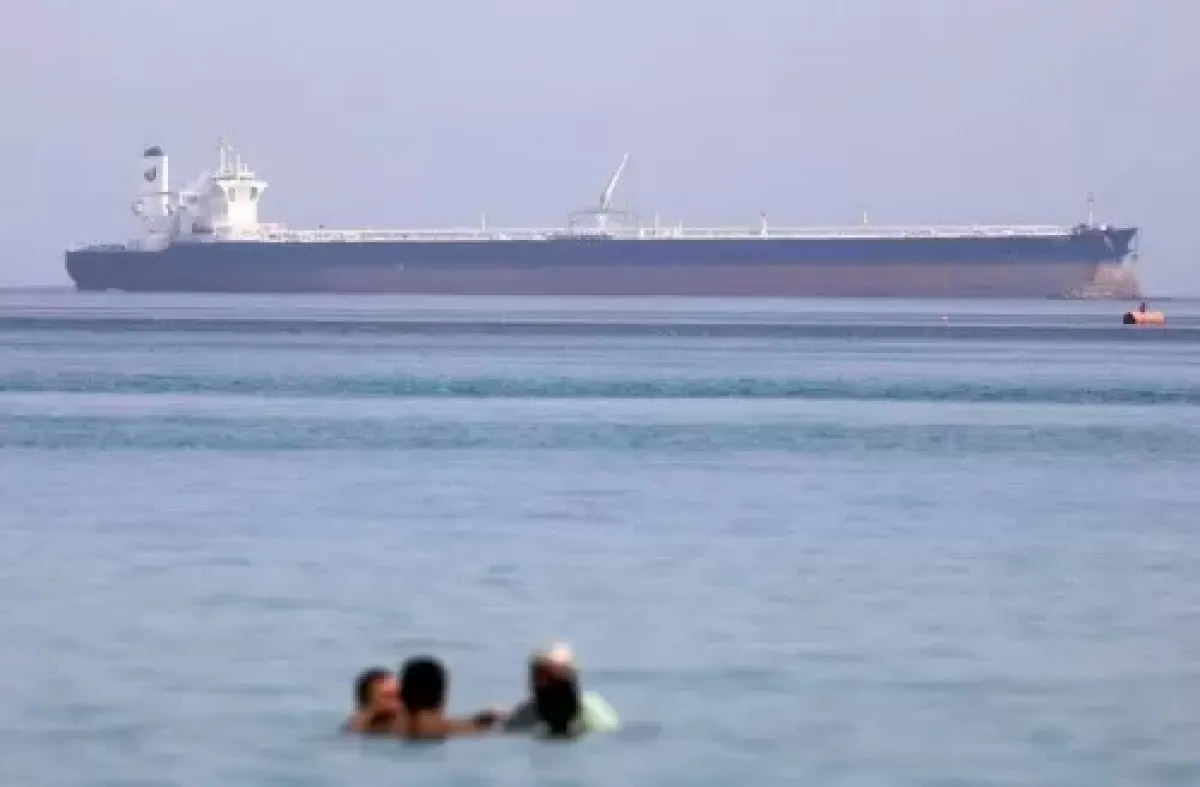
Hundreds of commercial vessels are seeking naval protection in the Red Sea and Bab al-Mandab strait due to escalating attacks by Houthi militias, highlighting the significant threat to international maritime traffic in a critical global trade route.
The European Union's naval mission, Operation Aspides, has reported that 260 vessels have requested escort and protection since the Houthi assaults began. Approximately 130 escort requests are being received monthly in the Bab al-Mandab area, as the mission continues to monitor security developments. The EU mission emphasized its ongoing assessment of the security environment within its operational area and its readiness to ensure freedom of navigation in accordance with international law and its mandate, amidst the risks posed by the Houthi attacks on commercial shipping.
According to data released, a total of 2,640 vessels have requested protection and escorts since Operation Aspides was launched in February 2024. The mission is reportedly facing challenges related to a shortage of warships necessary to fulfill its duties. These figures indicate that the Houthi threat is no longer limited to targeting specific ships; it has compelled shipping companies to resort to military protection to ensure safe passage for their vessels. Other companies have been forced to reroute and avoid the Red Sea altogether to mitigate risks.
The Bab al-Mandab strait is a key chokepoint connecting the Red Sea to the Gulf of Aden and the Indian Ocean. The Red Sea, in turn, is an essential part of the trade route between Asia and Europe via the Suez Canal. The disruption to navigation resulting from the Houthi attacks has led to extended journey times and increased costs for shipping, insurance, and cargo.
The rising number of requests for naval protection underscores the direct security and economic burden that Houthi actions are imposing on international trade. By transforming a vital maritime corridor into a zone where commercial ships require military escort or rerouting, these actions threaten the smooth flow of commerce and increase the cost of goods reaching markets.