United Nations Special Envoy Hans Grundberg is engaged in urgent diplomatic efforts in Muscat and Riyadh, aiming to de-escalate a rapidly escalating conflict in Yemen and prevent the collapse of vital communication channels. His mission is now focused on containing the current surge in hostilities before military fronts dictate new terms for the protracted war.
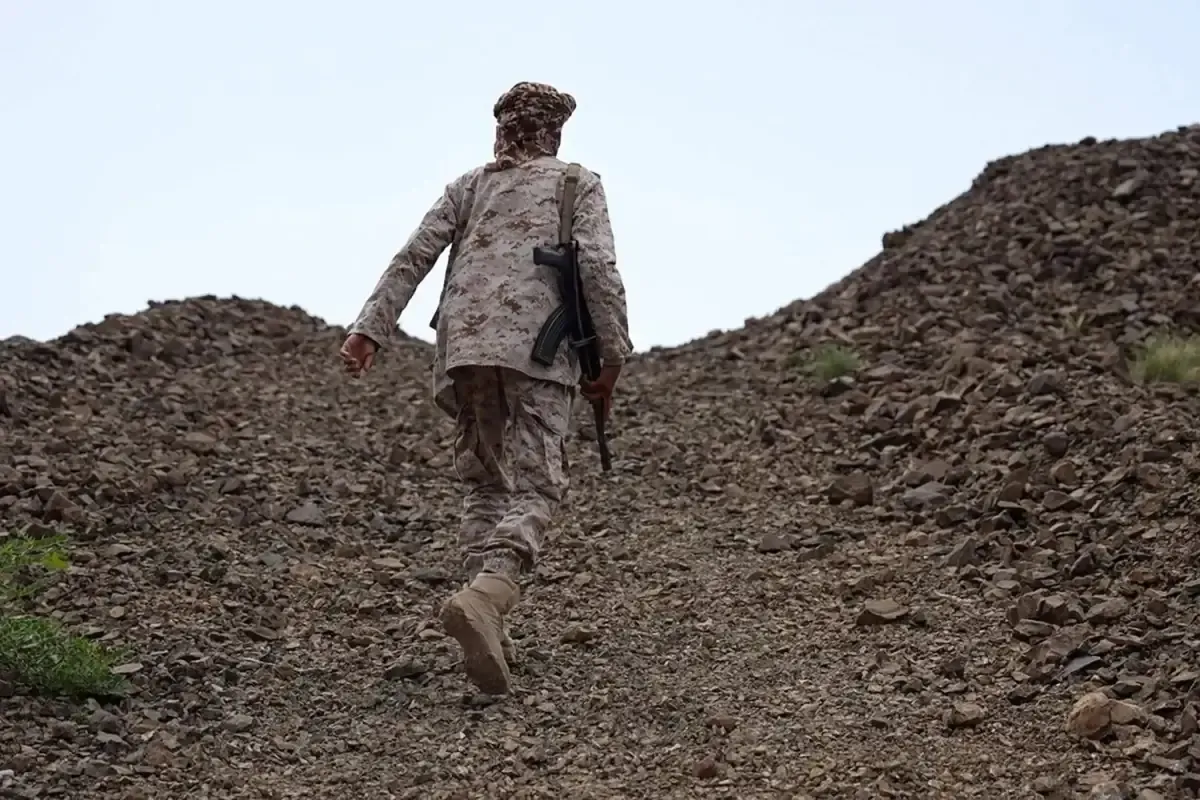
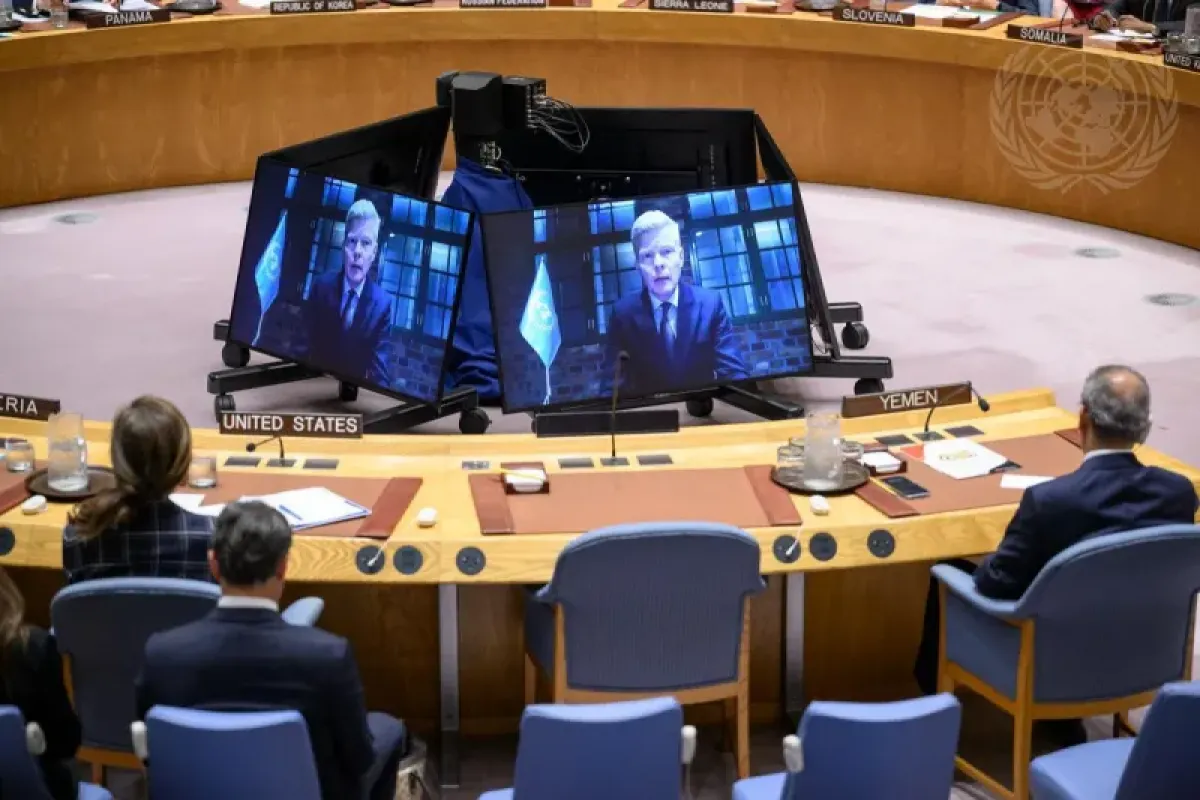
Grundberg's renewed engagement between the Omani and Saudi capitals comes as Yemen witnesses a significant increase in military confrontations across several fronts. This escalation is further complicated by the spillover of regional tensions into the Red Sea and Yemen itself, raising the specter of the conflict evolving from an internal crisis into a wider, multi-front confrontation. In a September 10 briefing to the UN Security Council, Grundberg warned that a return to large-scale fighting in Yemen was no longer a theoretical possibility but an emerging battlefield reality, exacerbated by threats to maritime navigation in the Red Sea.
The resurgence of the political track under these circumstances is paradoxical, occurring at a time when political maneuverability is severely constrained. The relative calm that followed the April 2022 truce provided a crucial foundation for UN initiatives. However, the continuation of the war without a comprehensive political settlement left this calm fragile, making any battlefield setback a potential catalyst for wider escalation. Consequently, Grundberg's current mandate appears distinct from previous rounds; the objective is no longer solely to bring parties to the negotiating table, but to prevent the table itself from being dismantled under the pressure of military developments.
His meetings in Muscat with Houthi representatives, followed by consultations in Riyadh, are designed to maintain open communication lines between parties whose positions remain significantly divergent, especially given the intensification of military operations and the intertwining of the Yemeni crisis with regional strategic calculations. The choice of Muscat and Riyadh as diplomatic hubs reflects the dual nature of the crisis: Muscat serves as a key channel for direct communication with the Houthi movement, while Riyadh holds central influence due to its support for the internationally recognized Yemeni government and its direct national security interests linked to the southern border.
The current phase cannot be equated with the 2022 truce, which, while effective in halting significant military operations and facilitating humanitarian and economic understandings, did not address the conflict's root causes or result in a final political agreement. With the renewed escalation, the UN faces a more formidable challenge: can a de-escalation process be revived in a fundamentally altered regional landscape? Grundberg's recent emphasis on halting attacks and threats, including cross-border actions and threats to navigation, and reactivating existing military and political communication channels, suggests that the immediate UN priority is managing and containing the escalation rather than immediately pursuing comprehensive settlement negotiations.
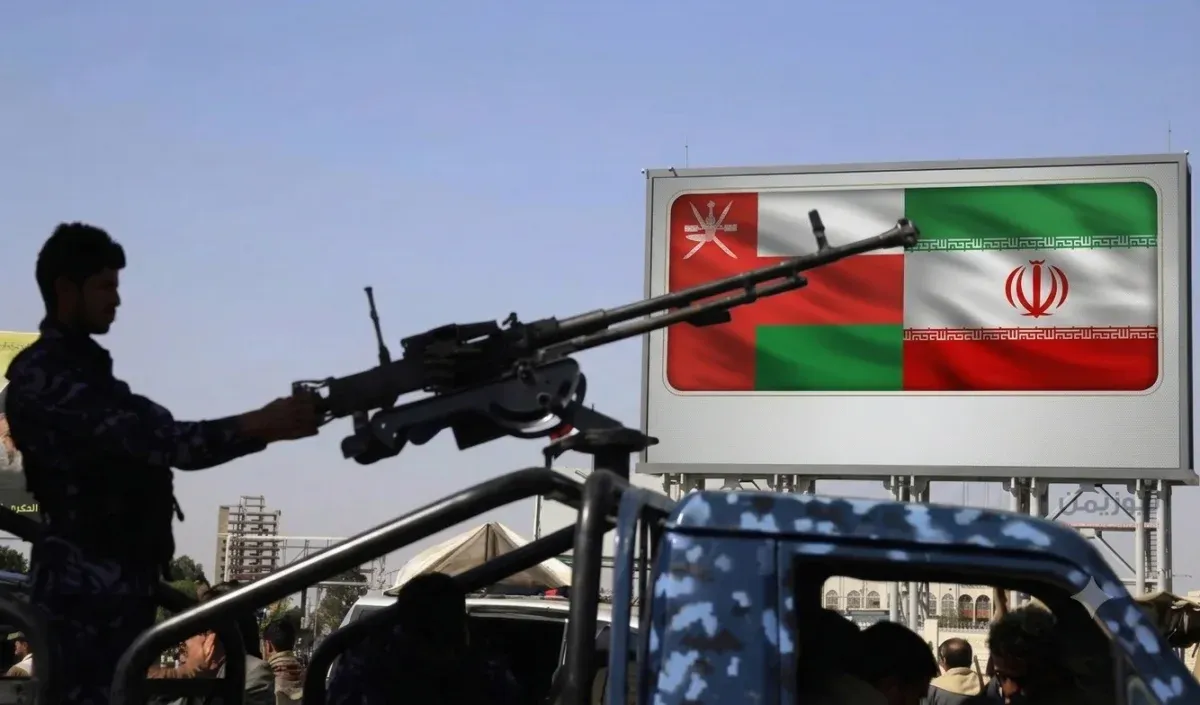
A critical shift is the expansion of the Yemeni conflict beyond its internal borders. The Red Sea, Bab el-Mandeb Strait, and Yemen's western coastline have transformed any escalation into an issue with international implications, particularly concerning global trade and maritime security. This complicates the situation significantly, as large-scale coastal escalation could trigger maritime repercussions, and maritime tensions could re-center Yemen on the international agenda. Therefore, UN efforts are directed not only at securing a ceasefire among Yemeni factions but also at preventing Yemen from becoming an additional theater for regional conflict. This broader regional context, involving actors such as Iran and Saudi Arabia, underscores the urgency of Grundberg's mission to prevent the Yemeni front from being exploited within wider regional power dynamics.
Grundberg's current diplomatic engagement does not signal an imminent political agreement or a willingness for significant concessions from the warring parties. The immediate, albeit more modest and difficult, objective is to avert an irreversible slide into further conflict. The UN is striving to preserve a minimal framework for communication that can be utilized when political conditions mature, while simultaneously working to prevent the battlefield from imposing new realities that would make any future settlement more costly and complex. The past years have demonstrated that ending the war in Yemen is easier than building peace, and that calm does not automatically translate into resolution. Grundberg is thus negotiating not only to halt escalation but also to protect the very concept of a political settlement from being consumed by the war. The success of this endeavor, however, hinges on factors beyond the Special Envoy's control: the readiness of Yemeni and regional parties to prevent military developments from overriding political processes. In a nation ravaged by years of war, the true contest may lie not just on the front lines, but in the struggle to determine whether the battlefield or the negotiating table will dictate the terms of the future.