The Yemeni government has alerted the United Nations Security Council to grave threats posed to international civil aviation safety over the southern Red Sea, citing the Houthi militia's deployment of Iranian-origin weaponry launched from their controlled areas in Hodeidah Governorate towards international flight paths.
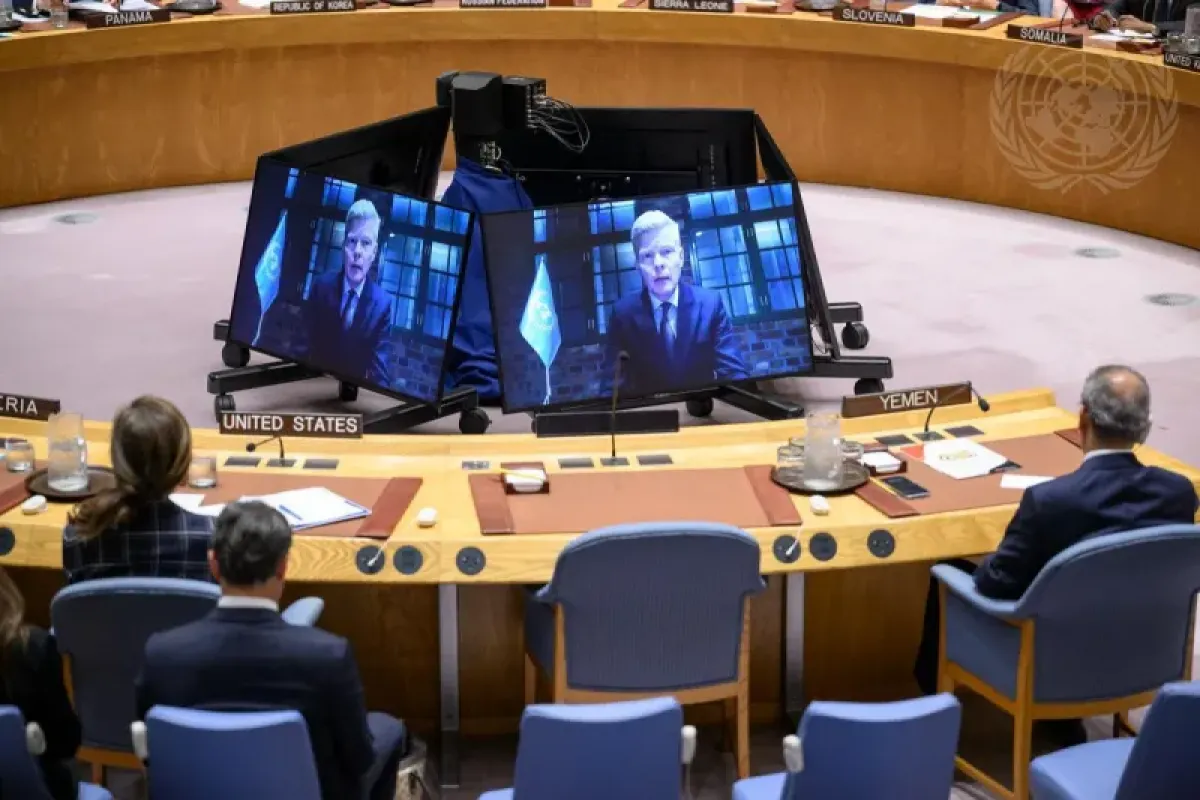
This warning was conveyed in a letter dispatched by Yemen's Permanent Mission to the UN to the President of the Security Council, Jérôme Bonnafont, and Secretary-General António Guterres. The government urged immediate international action to counter this threat and enforce the existing arms embargo against the Houthis.
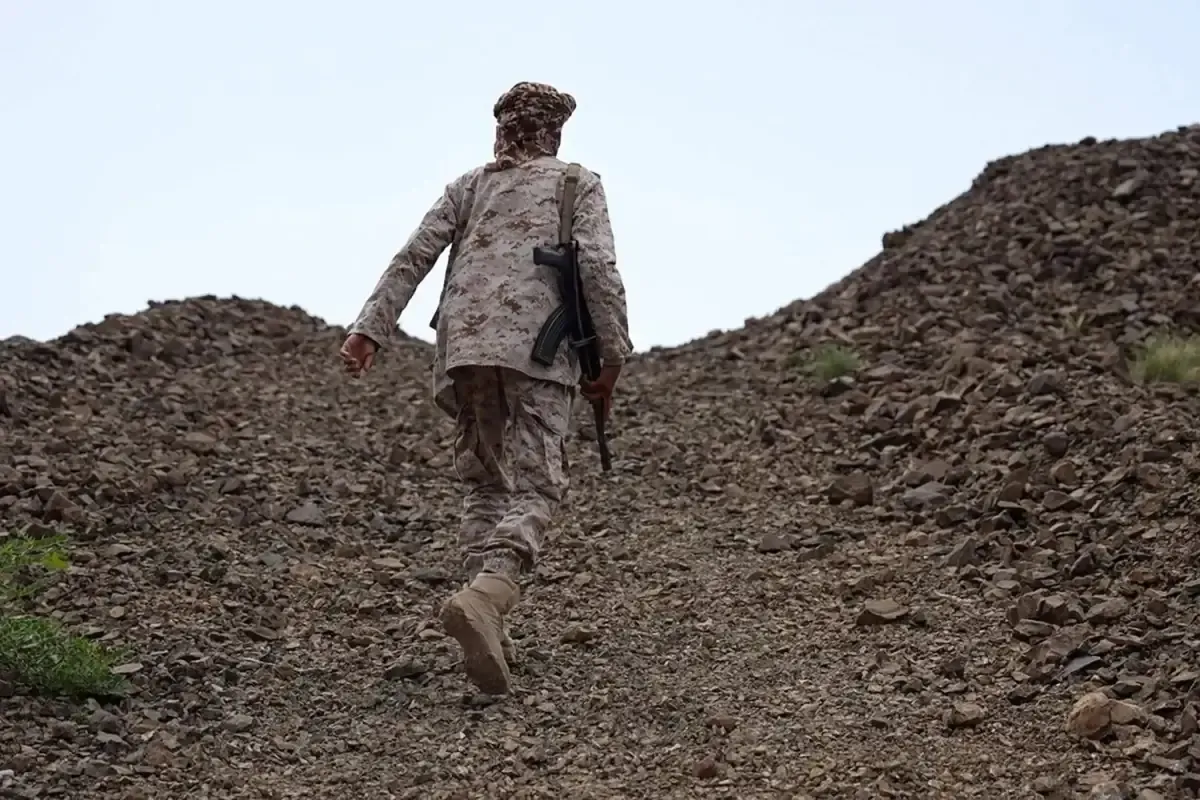
The government stated it has documented the Houthis' use of Iranian-made air defense weapons. These weapons, according to the communication, were modified within Yemen with the involvement of Iranian Revolutionary Guard Corps experts, transforming them into missiles capable of remaining airborne for up to 25 minutes. The government further indicated that these weapons utilize thermal tracking systems that identify heat sources without discriminating between targets.
The administration cautioned that the launch of such weapons near international air routes constitutes a direct danger to civilian aircraft and their passengers, including flights operated by the United Nations and humanitarian missions. The threat, the government emphasized, extends beyond Yemen's borders. It noted that the Houthis, following their targeting of commercial vessels and disruption of navigation in the Red Sea, Gulf of Aden, and Bab al-Mandab Strait, are now developing capabilities that could jeopardize civilian air traffic over this strategic corridor.
Yemen called upon member states to fully implement the arms embargo, preventing the transfer of weapons, components, technology, and military expertise to the Houthis. It also requested urgent coordination with the International Civil Aviation Organization (ICAO) to assess the risks facing aircraft and air routes over the southern Red Sea.
The government expressed its readiness to provide the Panel of Experts on Yemen and relevant international bodies with technical evidence, including data on launch sites and projectile trajectories. It urged the Security Council to circulate the letter as an official document and to take action to prevent the proliferation of these capabilities and hold accountable those responsible for their provision and development.