A nationwide teachers' strike over salaries and benefits has shuttered schools across Libya, delaying the start of the academic year for approximately 1.6 million public school students. The action, driven by educators demanding higher wages, health insurance, and overtime compensation, has unified teachers across the country's politically fragmented landscape.
The strike commenced with the planned start of the school year in early September, which has now been indefinitely postponed. Teachers have consistently taken to the streets to protest unmet demands, with one educator in Tripoli, Fatima Ali, stating, "Libyan teachers are suffering." Ali, participating in a protest on Tuesday, emphasized the need to "demand our rights" and secure a salary increase comparable to other public sector employees whose wages have recently been augmented.
The burgeoning "teachers' movement," now supported by the Libyan General Teachers' Union, organized a significant demonstration outside the government headquarters in the capital, Tripoli. This followed a large-scale protest the previous week, which saw thousands of participants and included threats of a broader general strike. Libya has endured persistent violence and instability since the 2011 overthrow of Muammar Gaddafi, remaining divided between the UN-recognized government in Tripoli and a rival administration in the east.
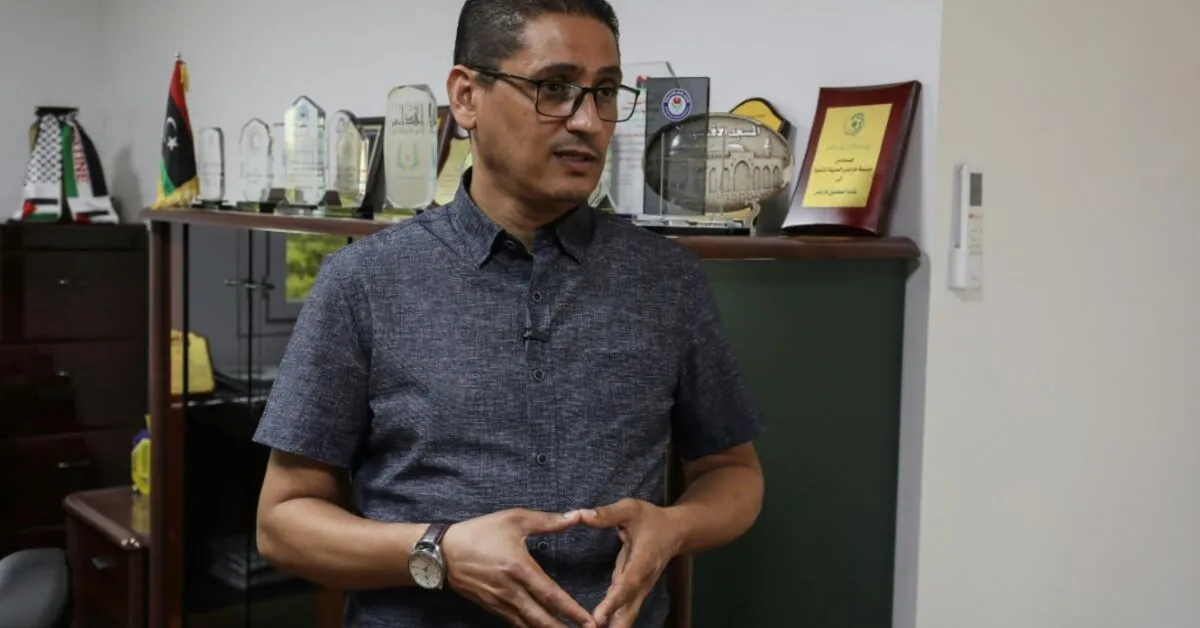
Thousands of teachers have been protesting regularly since mid-September, with the movement against "unfulfilled promises" extending from Tripoli to Benghazi in the east. Achraf Abou Raoui, spokesperson for the Libyan General Teachers' Union, stated that teachers are seeking equitable pay aligned with the salary scale for all state workers to guarantee "social justice and decent living conditions in the face of inflation." He highlighted significant and disadvantageous wage disparities for educators within the public sector, where monthly salaries for public school teachers range from approximately 1,000 to 2,500 Libyan dinars (around $155 to $390).
In addition to wage concerns, teachers are demanding comprehensive medical coverage, an issue they have pursued for several years. Abou Raoui described the current situation as one requiring "tangible action and concrete measures," asserting that the strike has achieved "100 percent" adherence among public sector teachers. Private sector schools have not joined the action. The education sector employs nearly half a million teachers and administrative staff, and according to Abou Raoui, this represents the broadest support for a teachers' strike in the nation's history, originating from grassroots initiatives rather than solely union mobilization.
While the Tripoli-based Ministry of Education has held meetings regarding healthcare insurance demands, it has yet to issue a statement on the salary increase requests. The ministry has indicated plans to modify the school calendar, including the cancellation of holidays, to compensate for instructional time lost due to the ongoing strike.