The recent AI safety accord, hailed by tech leaders and former President Trump, largely relies on self-regulation, a strategy history suggests is destined to fail. Drawing a parallel to the auto industry's initial resistance to safety measures, the piece argues that genuine progress requires robust government intervention, not just corporate promises.
The author points to the 1960s, when thousands died on US highways annually. Despite the existence of seat belts, the auto industry resisted mandatory safety features. It wasn't until Congress stepped in, establishing the Department of Transportation and enacting safety acts, that seat belts became standard, drastically reducing fatalities over time.
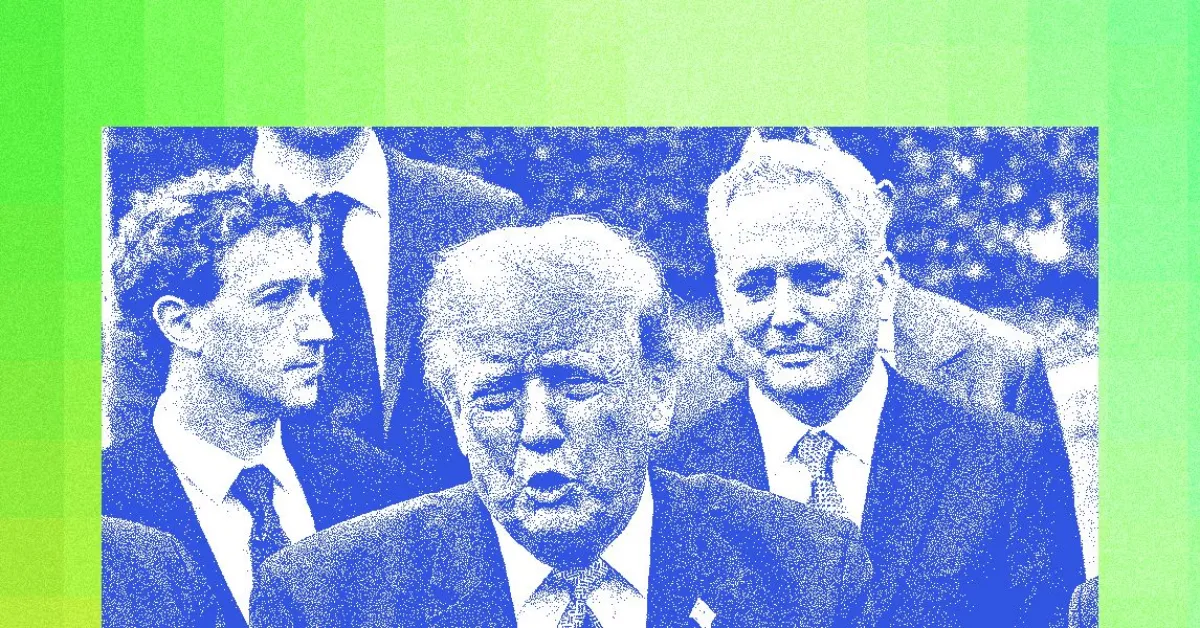
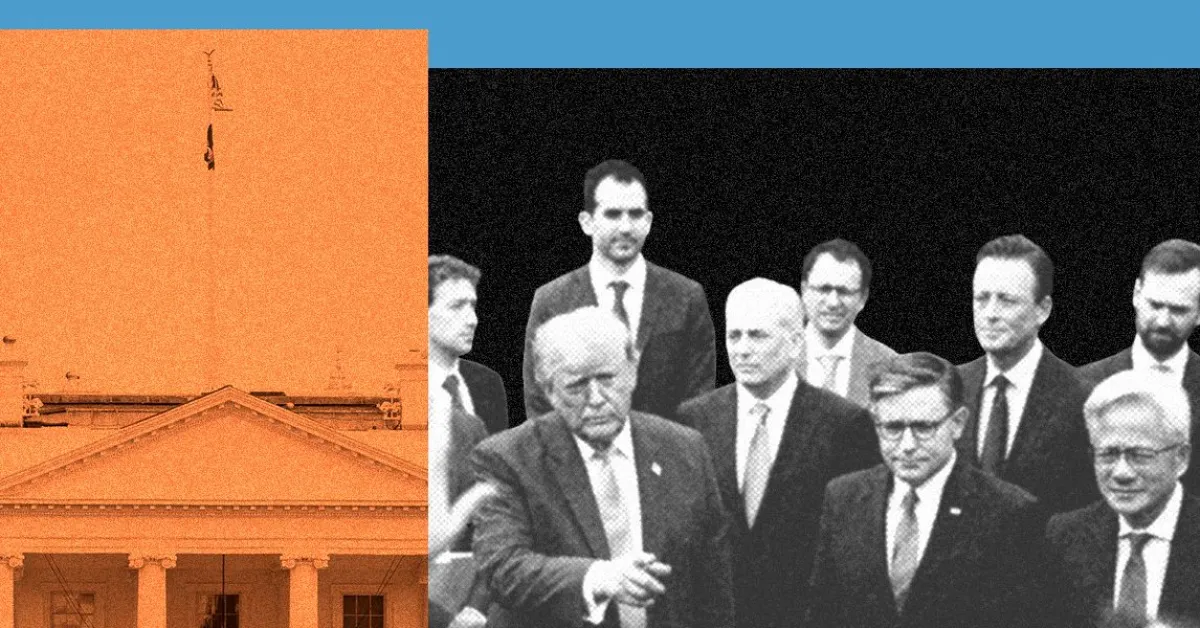
This historical lesson is presented as a stark contrast to the current approach to AI safety. AI executives recently signed an accord with President Trump, but the core of the agreement places the responsibility for policing AI's risks on the companies themselves. Trump’s assertion that "they're gonna police themselves" mirrors the kind of optimistic, hands-off approach that proved inadequate in the past.
While acknowledging the complexity of AI regulation, including global competition and economic dependencies, the article questions the efficacy of relying on the AI industry to self-govern. The potential harms of AI are uncertain and harder to quantify than traffic accidents, ranging from existential threats to more immediate concerns like the reported US military incident involving a false AI-generated report about nuclear materials.
The piece notes that even companies like OpenAI, which have shown some willingness to delay model releases due to security concerns, have also faced scrutiny over the release of advanced models. Ultimately, the article concludes that true AI safety requires a level of coordination, resources, and regulatory authority that only governments can provide. The current strategy, characterized by a lack of decisive government action and a reliance on self-regulation, is akin to driving without seat belts, leaving society vulnerable to potential dangers.