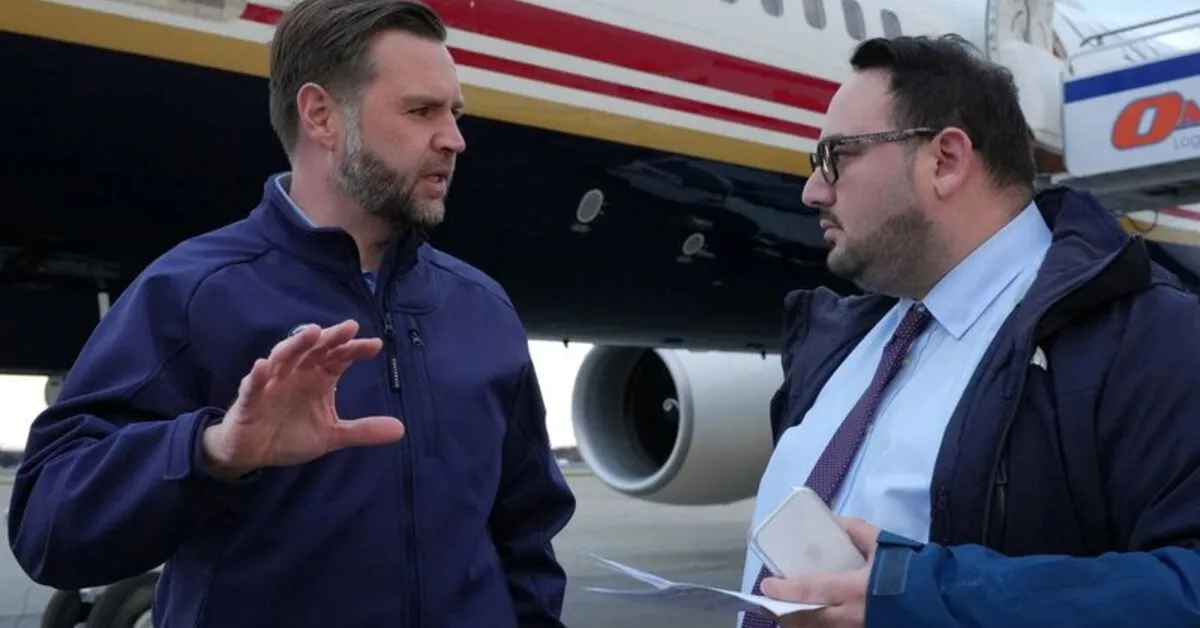
In an exclusive interview with Reuters in Fairbanks, Alaska, US Vice President JD Vance addressed critical foreign policy issues, focusing on Iran's nuclear ambitions, its actions against commercial shipping, and the broader implications for global security. Vance underscored the administration's commitment to preventing Iran from acquiring nuclear weapons and highlighted the challenges in negotiations.
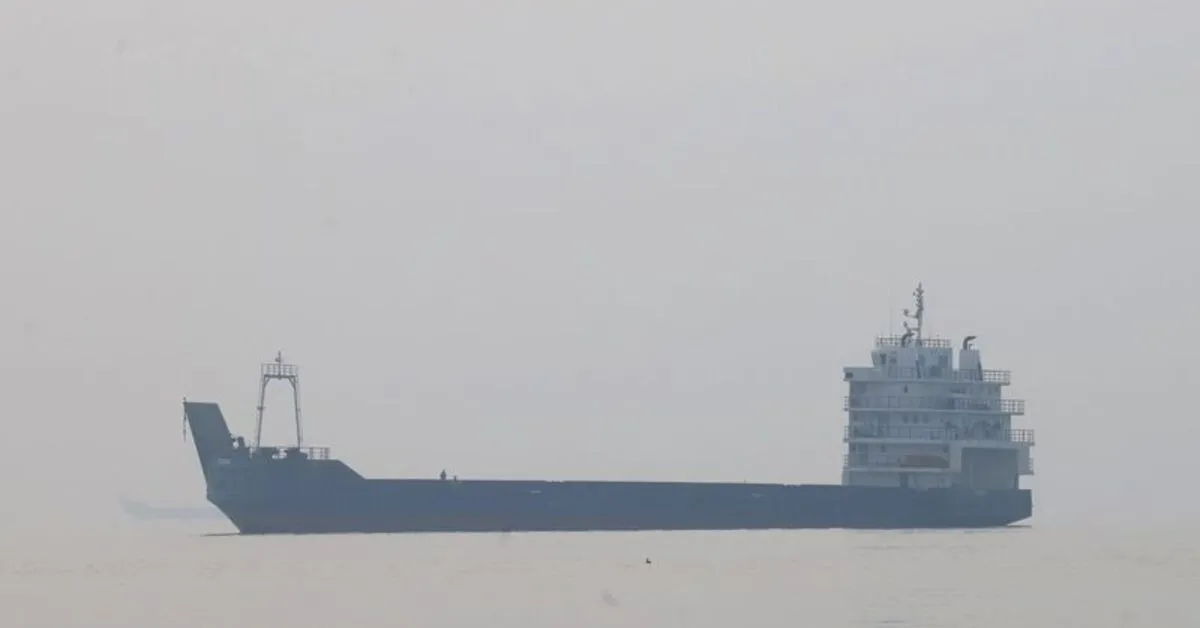
The Vice President characterized Iran's attempts to disrupt global trade as largely unsuccessful, stating that their actions against commercial shipping were an insufficient response to the destruction of their nuclear program. He reiterated the administration's stance: "Every time they try to cause damage to the world economy, they end up causing much greater damage to themselves." Vance emphasized that Iran must choose between making "smarter decisions" or facing further consequences.
Regarding the potential for renewed kinetic attacks, Vance deferred to the President's decision-making authority but reiterated the primary objective: preventing Iran from obtaining a nuclear weapon and averting regional nuclear proliferation. He explained that if Iran were to acquire nuclear capabilities, other nations would likely follow suit, a scenario the administration aims to prevent. Vance confirmed that Iran's nuclear facilities and enrichment capabilities have been destroyed and that efforts are underway to ensure they cannot be rebuilt.
Vance clarified that preventing regional proliferation has always been a core component of the administration's policy, stemming from the recognition that Iranian nuclear capability would trigger a global arms race. He expressed concern about the world's largest state sponsor of terrorism possessing nuclear weapons and the potential for a significant increase in the global nuclear arsenal, a point he noted has been discussed with Chinese President Xi Jinping and is a key aspect of his foreign policy.
On the matter of negotiations, Vance stated that discussions are ongoing with Iran's political leadership, including the Foreign Minister and the President. However, he expressed uncertainty about the internal decision-making processes within Iran, noting that some elements may seek to sabotage agreements. He contrasted this with the initial agreement, which he described as simple and focused on opening the Strait of Hormuz, lifting blockades, and discussing the nuclear program. Vance pointed to Iran's inability to uphold its end of that bargain, specifically its continued attacks on commercial shipping, as evidence of these internal challenges.
When questioned about Iran's claims of not seeking nuclear weapons, Vance cited Iran's enrichment of uranium to 60% as contradictory evidence, stating that such a level is not necessary for energy production and serves only as a threshold for weapons-grade material. He suggested that meaningful action on enrichment capacity would be a more credible demonstration of Iran's commitment to foregoing nuclear weapons, a commitment that has yet to be seen in a long-term capacity.
Vance also commented on munitions stocks and evolving warfare, acknowledging the changing landscape with the increased use of drones and asymmetric capabilities. He affirmed the administration's focus on staying ahead in military technology and building sufficient future weaponry for defense, framing the conversation not as a sign of American weakness, but as a necessity for maintaining a strategic advantage. He declined to comment on specific intelligence regarding alleged Iranian operations in the UK, citing classified information.