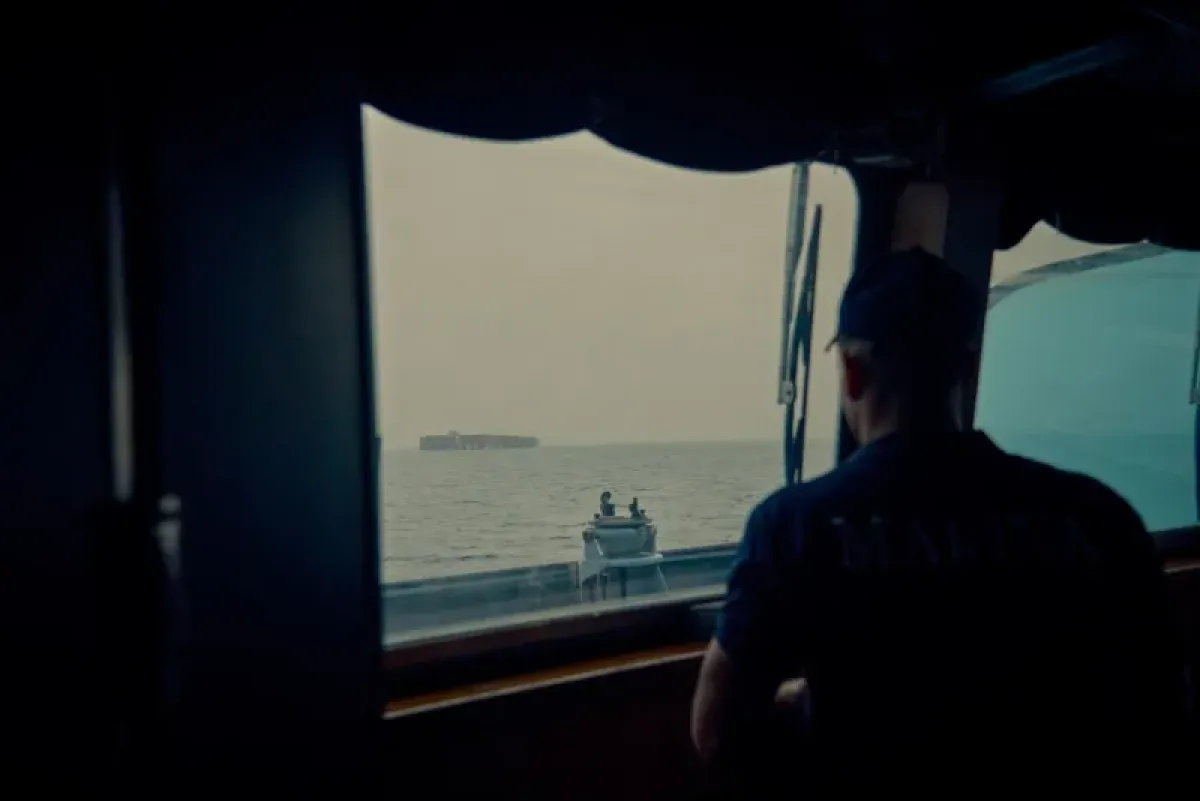
The European Union is set to augment its naval operation, Aspides, in the Red Sea with at least ten additional vessels, reflecting growing European concerns over Houthi attacks and escalating threats to international shipping and energy routes.
High Representative of the Union for Foreign Affairs and Security Policy, Kaja Kallas, indicated after a meeting of the Foreign Affairs Council on Monday that the mission has not yet reached its required fleet size. Kallas emphasized that securing the necessary capabilities is crucial for maintaining the operation's credibility and effectiveness in safeguarding maritime traffic, despite ongoing consultations with member states.
According to Euronews, Italy is leading efforts to reinforce the mission, following an incident where an Italian frigate escorted a commercial vessel off the Yemeni coast. Kallas had previously urged European capitals on September 19th to provide additional naval and aerial assets, particularly for the strategic Bab el-Mandeb strait.
The Netherlands has pledged to contribute a frigate focused on surveillance and intelligence gathering, while Belgium announced its participation with the frigate "Leopold I." However, technical issues may delay the Belgian vessel's deployment until next year. Italy and Greece are providing the primary ships for the operation, with other European nations contributing vessels on a rotational basis.
The Aspides mission, launched in February 2024 to protect merchant ships in the Red Sea, has escorted hundreds of vessels since its inception. Nevertheless, persistent Houthi attacks continue to challenge the security of maritime corridors and raise questions about the adequacy of the current European deployment for sustained protection.
Italian Minister of Defense Guido Crosetto stated that Rome is prepared to increase its contribution, provided other member states demonstrate similar commitment. He cautioned that the ongoing crises, extending from the Strait of Hormuz to the Bab el-Mandeb, impose increasing burdens on European economies and their citizens. Kallas reiterated that keeping the Red Sea open is a strategic interest for Europe, urging member states to provide the necessary additional ships amidst continuing risks to international trade and energy supplies.