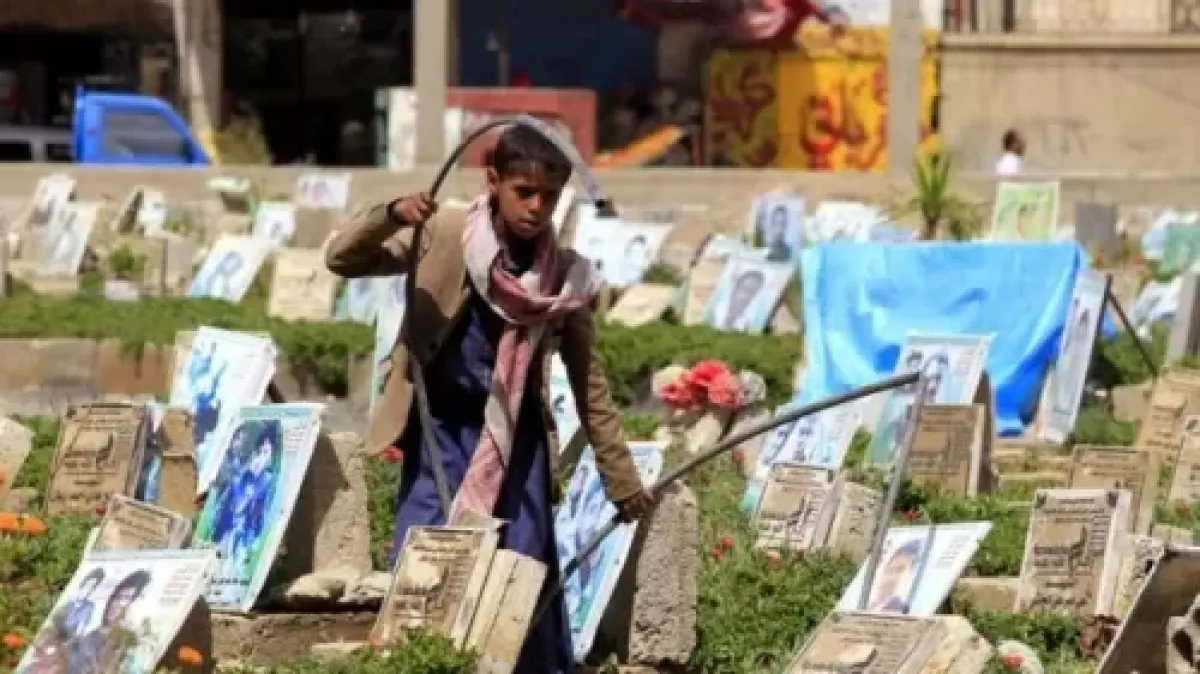
The Houthi movement is facing increasing pressure on the battlefield, with indicators suggesting a strain on their human resources as the conflict widens and casualties mount. Despite efforts to project an image of inexhaustible manpower, the group's ability to sustain its fighting force is being challenged by the escalating costs of prolonged engagement.
While the Iran-backed group relies on intimidation and propaganda to inflate its capabilities and unnerve opponents, the sustained escalation is reportedly creating complex challenges in securing personnel and redeploying forces. Analysts specializing in Yemeni military affairs and the Houthi movement observe signs of a manpower crisis, suggesting that the image of unending strength may not reflect the true extent of the pressures on the ground.
Information reportedly originating from within the Houthi movement indicates growing difficulties in meeting the required numbers of fighters, exacerbated by ongoing losses and the continuous need to reinforce front lines. This raises questions about the Houthis' capacity to maintain their current pace of escalation, particularly as they must balance defending their controlled territories with supporting active combat zones.
The analysis suggests that the group is resorting to persistent recruitment drives and mobilizing personnel from security and organizational apparatuses, not all of whom are frontline combatants, in an attempt to compensate for fighter shortages. Reports also mention alleged directives to send non-essential staff to the Taiz front, underscoring the group's perceived prioritization of its military positions.
Furthermore, there are indications of troop movements from areas in Hajjah province and certain islands to the western coastal front, including areas near Mokha and Dhubab. These movements are aimed at countering the Giants Brigades and alleviating military pressure on Houthi positions near the Bab el-Mandeb strait. The strategic importance of the western coast, where military considerations intersect with international navigation security in the Red Sea and Bab el-Mandeb, amplifies the significance of these troop redeployments.
If confirmed, these transfers could signify that the Houthi movement is compelled to reorganize its military deployment to manage pressures, rather than simply projecting its ability to open new fronts or escalate. Analysts contend that military strength is not measured by propaganda or rhetoric but by a force's ability to replace losses, maintain readiness, manage deployments, and secure logistical and human resources. Consequently, any indications of a declining Houthi capacity to reinforce fronts warrant close observation, especially if coupled with accumulating losses and the necessity of withdrawing fighters from other areas.
These developments suggest that the Houthi group is not immune to attrition, and the widening conflict may force difficult choices regarding the distribution of fighters and military priorities. While redeploying personnel might temporarily fill gaps, it does not necessarily address any structural deficiencies in their overall manpower.