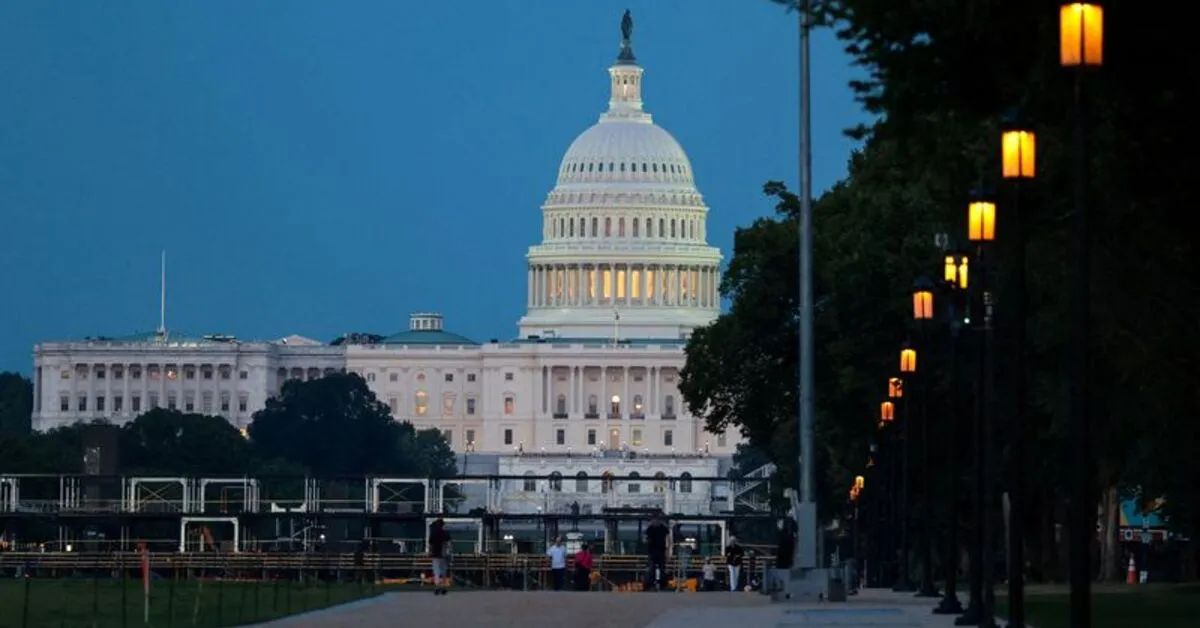
Democrats are poised to potentially gain control of the U.S. House of Representatives and possibly the Senate in the upcoming November elections, a shift that could significantly alter President Trump's foreign policy direction following two years of Republican dominance.
Analysts suggest a Democratic victory would empower lawmakers to reassert congressional authority over foreign affairs, an area where they argue the Trump administration has overstepped constitutional boundaries. Key potential changes include curbing presidential war powers, bolstering support for Ukraine, reevaluating military aid to Israel, and redirecting national priorities away from excessive military spending.
One significant area of focus would be the conflict with Iran. Democrats have repeatedly attempted to block military action without congressional approval and could leverage their newfound power to cut defense spending, thereby pressuring the administration to seek legislative consent for continued engagement. They might also mandate public testimony from officials regarding their strategic plans.
Furthermore, a Democratic Congress could reverse the Trump administration's halt on financial and military aid to Ukraine, which has been fighting a Russian invasion. With control over legislative agendas, Democrats could facilitate the approval of new aid packages, potentially overriding a presidential veto with the required supermajorities. This control could also extend to blocking specific Trump administration initiatives, such as plans to reintroduce Russian diesel into the global market.
Support for Israel is another critical area where policy could shift. Declining Democratic support for Israel's actions in Gaza, coupled with the ongoing violence in the West Bank and Prime Minister Netanyahu's alignment with Republicans, could lead to limitations or cessation of military aid. Many Democrats have already expressed a desire to cut off or restrict arms sales, particularly heavy munitions.
Finally, Democrats are more inclined than Republicans to limit military spending, having previously blocked a significant increase requested by the Trump administration. They also aim to restore foreign aid, which they argue has been unduly reduced by the current White House, reflecting a broader ideological difference in national resource allocation and international engagement.