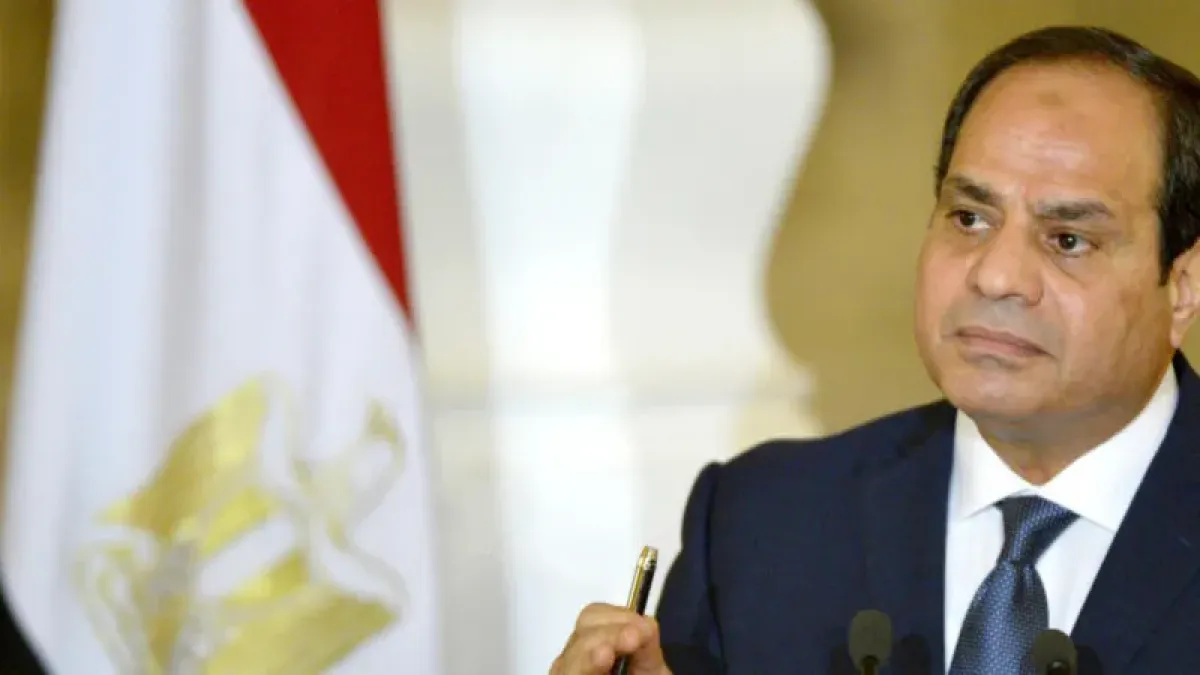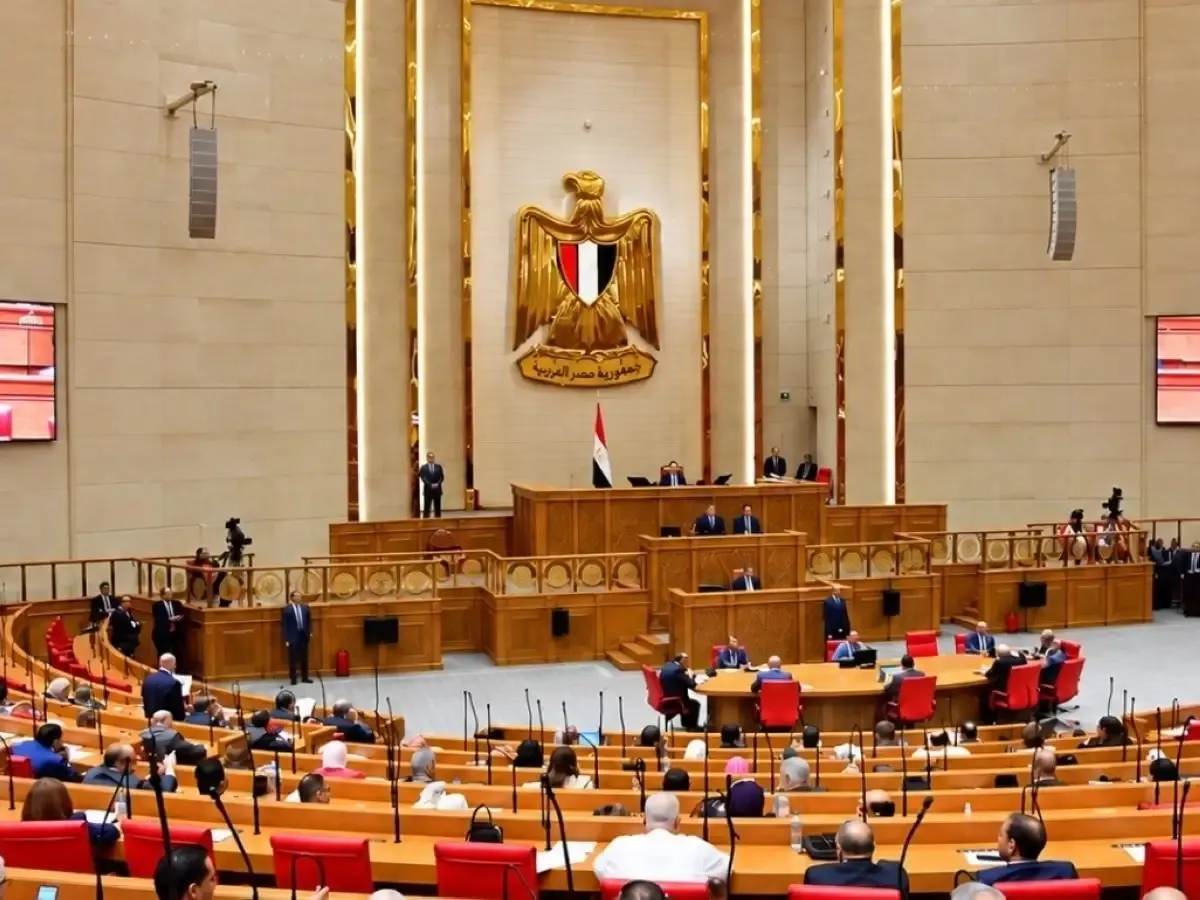
The Egyptian Parliament has overwhelmingly approved a measure authorizing President Abdel Fattah El-Sisi to take necessary actions to support Saudi Arabia, defend its territory, sovereignty, and holy sites against any external aggression. This significant decision underscores the deepening security coordination between Cairo and Riyadh in response to escalating regional instability.
The parliamentary vote, which secured a two-thirds majority, followed closed-door sessions held on October 18, 19, and 26. The authorization aligns with Egyptian constitutional provisions and parliamentary regulations, and comes after consultation with the Egyptian National Defence Council, which convened on October 18.
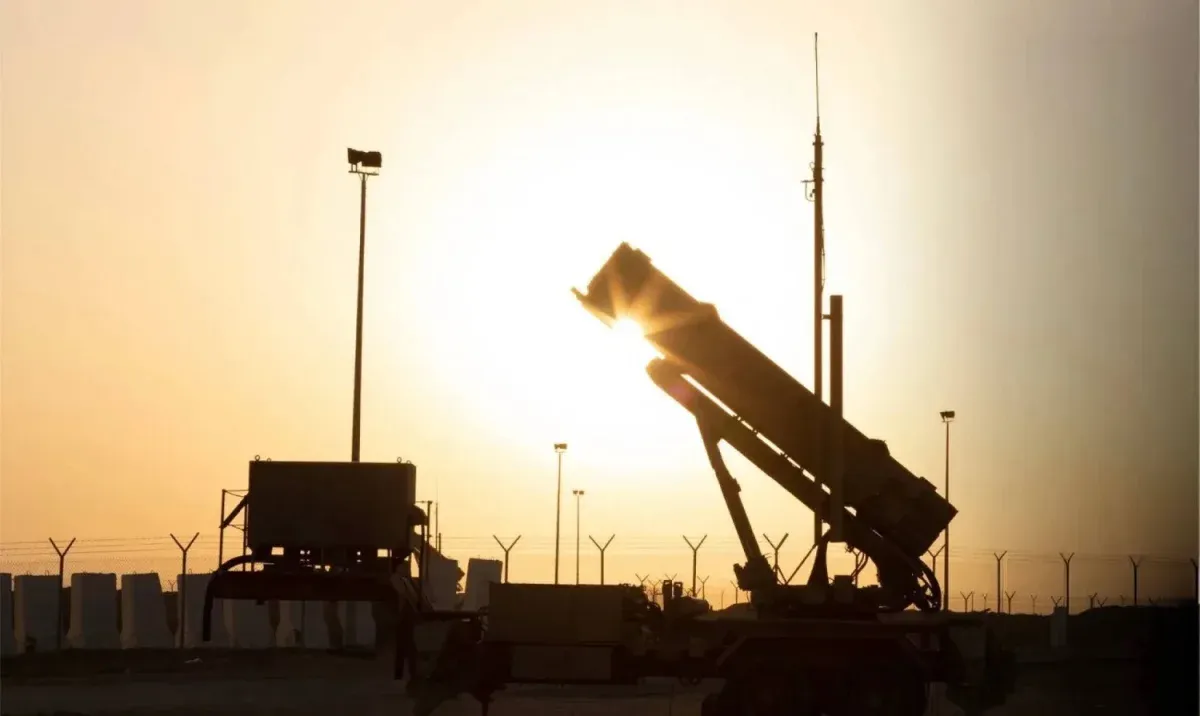
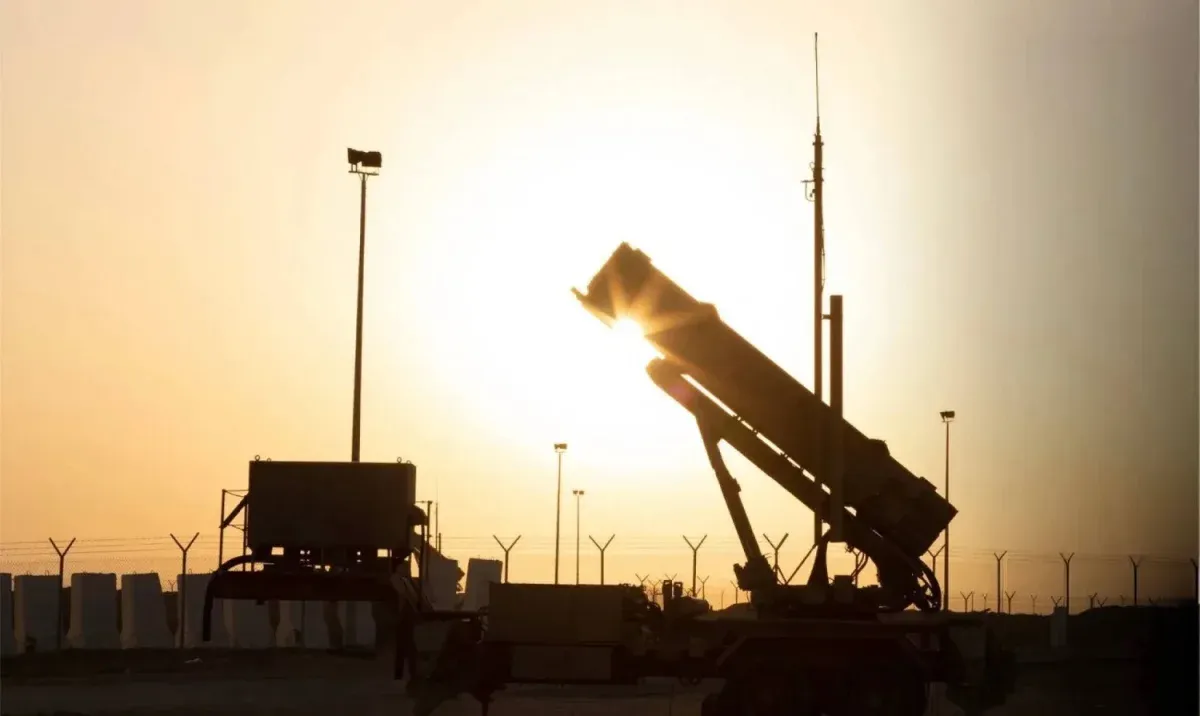
This development occurs against a backdrop of increased missile and drone attacks by Iran-backed Houthi forces targeting Saudi Arabia. These attacks have raised serious concerns regarding the security of vital infrastructure, maritime navigation in the Red Sea and the Bab el-Mandeb strait, and their potential repercussions on the economic and security interests of regional nations.
While the parliamentary mandate provides President El-Sisi with legislative backing for potential support measures, it does not automatically signify the deployment of Egyptian forces or a final decision on the nature of any military involvement. Any concrete actions will remain contingent on ongoing bilateral consultations and the Egyptian leadership's assessment of evolving field developments.
The authorization emphasizes the support for defending Saudi territories and sovereignty, though specific details regarding the scale, timing, or implementation mechanisms of such support have not been publicly disclosed. Practical options, including defensive assistance or enhanced maritime cooperation, are expected to be finalized through mutual agreement between Cairo and Riyadh.
The constitutional framework for this authorization stems from Article 152 of the Egyptian Constitution, which requires a two-thirds parliamentary majority for deploying armed forces on missions outside the country, following consultation with the National Defence Council. The confidential parliamentary discussions aimed to allow members to thoroughly debate the implications of regional developments on Egyptian and Arab national security.
The current regional tensions extend beyond Saudi Arabia, directly impacting Egypt's economic and strategic interests through their effect on the stability of the Gulf and Red Sea. The critical role of the Suez Canal in international trade means that any disruption to maritime navigation could exert pressure on Egypt's revenues and shipping traffic. Furthermore, the extensive political and economic partnership between Cairo and Riyadh renders Saudi security a direct component of Egypt's national security considerations.
The parliamentary decision arrives at a time of heightened concerns over the potential for a wider regional confrontation, even as diplomatic efforts persist to de-escalate tensions and prevent further proliferation. Despite the strong parliamentary majority, some lawmakers expressed reservations during the debates regarding the potential ramifications of any military engagement, citing concerns over a lack of detailed information on the mission's scope, duration, costs, and associated risks.
These concerns place Egyptian decision-makers in a delicate position, balancing the imperative to support Saudi Arabia and protect shared interests against the need to avoid entanglement in an open-ended regional conflict with unpredictable costs and trajectories. While the parliamentary approval broadens the scope for defense cooperation between Egypt and Saudi Arabia, its actual impact on regional power dynamics will ultimately depend on the specific measures implemented on the ground, the evolving nature of threats, and the efficacy of diplomatic initiatives in resolving the crisis.