Turkey is poised to enhance its defense cooperation with Saudi Arabia in response to escalating Houthi attacks, as the Mecca Joint Defense Agreement involving Saudi Arabia, Pakistan, and Turkey progresses towards legislative procedures. This development may pave the way for potential Turkish support in air defense and electronic warfare systems, though it does not inherently imply the deployment of troops to the Kingdom or participation in offensive operations within Yemen.
The London-based Al Arab newspaper reported that Ankara submitted the agreement to parliament for ratification on October 20. Three Turkish parliamentary sources indicated that the matter could be discussed within a specialized committee. Ratification could empower the government to submit a separate request for parliamentary authorization to deploy military personnel to Saudi Arabia, in accordance with Turkish constitutional procedures.
Citing a parliamentarian from the ruling AK Party, the newspaper stated that Turkey's initial contribution might focus on dispatching technical experts specializing in air defense and electronic warfare, alongside cooperation in military systems, intelligence sharing, and defense industry development. This move comes amidst a rise in attacks launched by Iran-backed Houthi militias on Saudi Arabia, posing security challenges to vital infrastructure, airports, and facilities.
The exploration of defense cooperation mechanisms among the three nations reflects a trend toward coordinating military and intelligence capabilities to improve the detection, interception, and handling of aerial threats. The Mecca agreement stipulates that an armed attack targeting any of the three signatory states will be considered an attack on all, obligating the parties to provide necessary assistance, including intelligence cooperation, defense industry support, logistical aid, and counter-terrorism efforts.
However, the agreement, according to the analysis, does not mandate a single or automatic military response in every situation, as the nature and scope of assistance will be determined by mutual consensus among the parties. Turkish Foreign Minister Hakan Fidan emphasized that the agreement is defensive, not offensive, and affirmed that Turkey does not intend to deploy forces to another country to use its territory as a base for launching attacks. The deployment of Turkish troops abroad requires separate parliamentary approval under the Turkish constitution.
Officials from Saudi Arabia, Pakistan, and Turkey held a meeting in Riyadh on October 5 to discuss Houthi attacks and mechanisms for activating their joint defense cooperation. While the progression of the agreement to parliament marks a significant step, the specific details of Turkey's contribution remain undetermined. There is no confirmed decision regarding the deployment of ground forces or Turkish participation in offensive operations within Yemen, nor has a specific number of experts or systems to be deployed been announced.
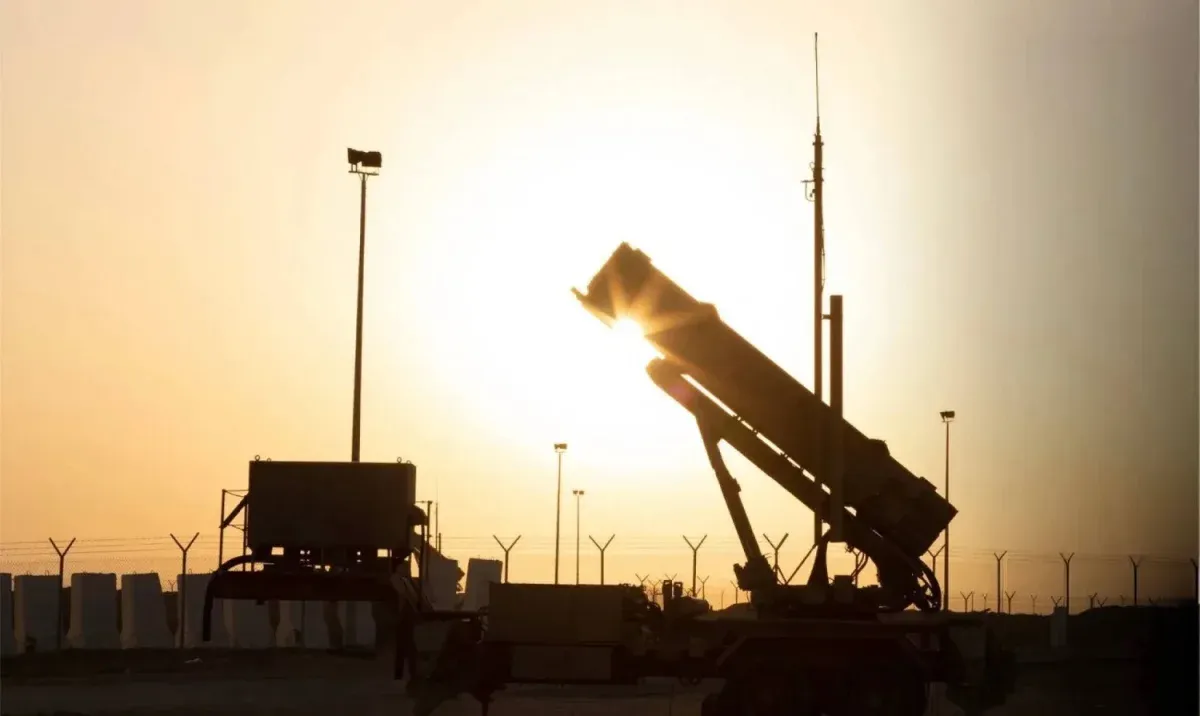
The potential cooperation's importance lies in its capacity to bolster early warning, monitoring, tracking, and interception systems, as well as enhancing electronic warfare capabilities and information exchange. Nonetheless, the agreement's effectiveness will hinge on its transition from political commitments and legislative procedures to practical defense mechanisms, and on the clarity of the support each nation will provide in confronting the escalating Houthi attacks.