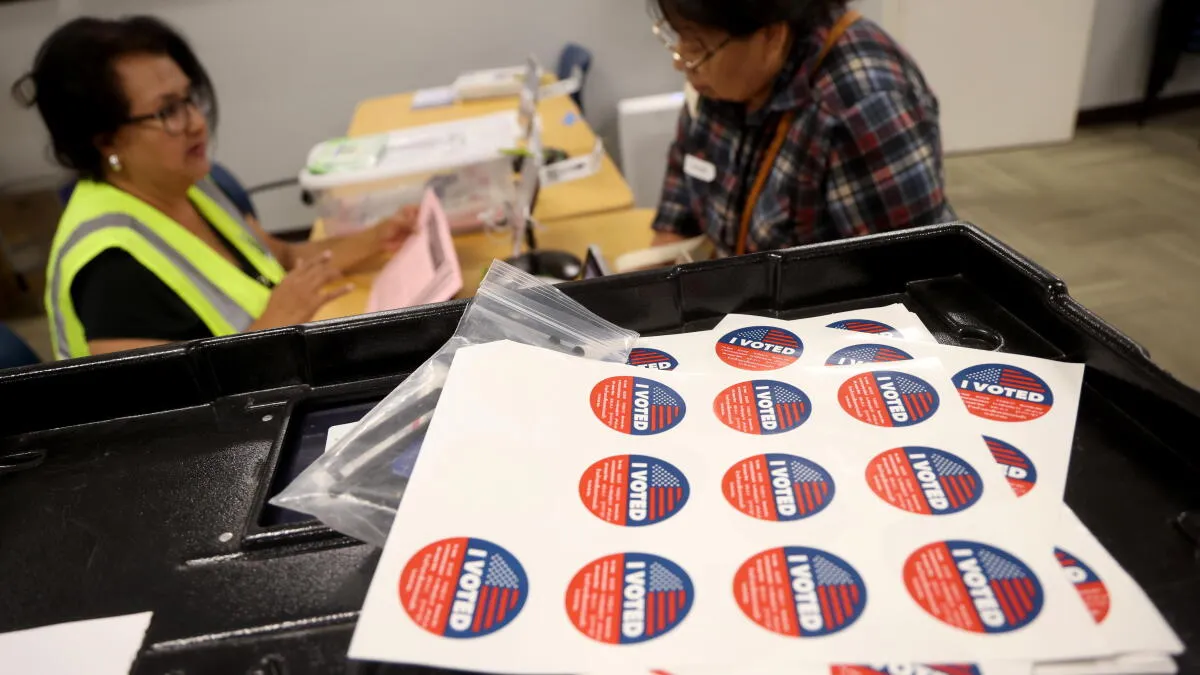
While the gubernatorial contest dominates headlines, California voters face a critical slate of less-publicized statewide races that significantly impact the state's governance and policy direction. These positions, often overlooked, hold substantial authority in areas ranging from law enforcement and finance to election administration and education.
The race for Attorney General positions the victor as the state's chief law enforcement officer and principal legal counsel. Similarly, the Treasurer oversees the state's financial management, including public investments and the issuance of bonds for infrastructure projects like roads, schools, and housing initiatives.
The Secretary of State is entrusted with administering statewide elections, disseminating information on ballot measures and candidates, and regulating campaign finance. This office also manages business licensing and filings. The Controller plays a pivotal role by serving on numerous boards, including those governing the substantial California Public Employees' Retirement System (CalPERS) and the California State Teachers' Retirement System (CalSTRS).
Furthermore, the Lieutenant Governor stands ready to assume the governorship should the incumbent die, resign, or be removed from office. The Insurance Commissioner holds regulatory authority over California's diverse insurance industry, while the State Superintendent of Public Instruction manages the Department of Education, guiding local school districts and collaborating with the State Board of Education, the Governor, and the Legislature on educational policy.