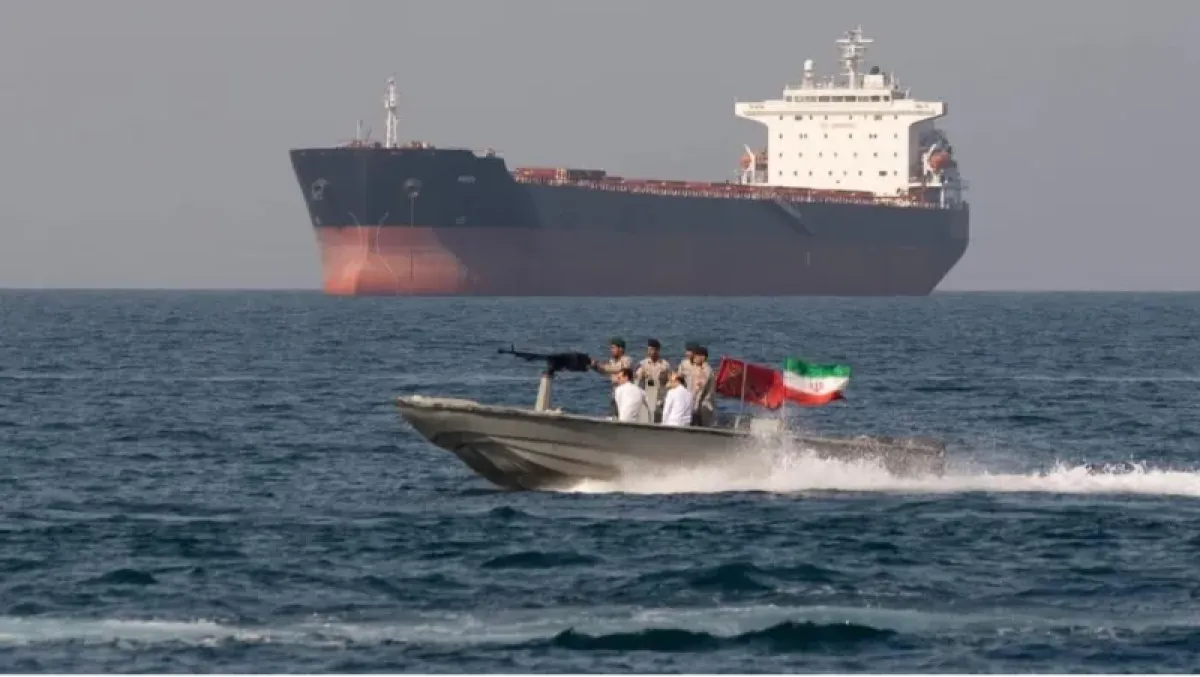
European nations have incurred an economic toll exceeding €100 billion due to the conflict involving Iran, primarily driven by escalating energy prices over the past eight months. Concurrently, Tehran has continued to issue military threats, warning of greater repercussions should it face further attacks.
German Chancellor Friedrich Merz stated that the conflict with Iran has cost Europe over €100 billion (approximately $115 billion) in additional energy expenses, borne by both corporations and consumers. Merz emphasized that Germany has a direct economic interest in a swift resolution to the conflict.
Merz's remarks were made during a visit to South Korea, the final leg of an Asian tour that included Singapore and Japan. He urged the parties involved in the conflict to cease military engagement and return to diplomatic channels, asserting that the dispute cannot be settled through military force. He explicitly included Israel in this call.
These figures highlight the significant economic impact of the Iranian conflict on European countries. According to previous statements by European Commissioner for Energy Dan Jørgensen, the EU's additional energy spending has surpassed €100 billion. European nations find themselves bearing increased energy costs without a corresponding increase in oil or gas supplies.
In a response reflecting Tehran's adherence to escalating rhetoric, Iranian Foreign Minister Abbas Araghchi threatened more substantial losses. He referenced Merz's prior expressed support for American and Israeli strikes against Iran, recalling his description of those operations as "doing Europe's dirty work." In a post on the platform X, Araghchi stated that the €100 billion figure was insignificant compared to what he termed a devastating blow that Iranian armed forces would deliver to anyone daring to harm Iran, adding that "red lines are a thing of the past."
The Iranian threats place European economic and security interests directly at risk from a conflict whose effects extend beyond the immediate belligerents to impact energy markets, supply chains, and the cost of living. This occurs amidst ongoing threats of military force rather than clear indications of de-escalation.
These developments coincide with increased speculation regarding the potential resumption of military strikes against Iran by the United States and Israel, particularly following the US midterm congressional elections scheduled for November 3rd. Notably, US President Donald Trump met with Admiral Brad Cooper, commander of the US Central Command, on Thursday. The Wall Street Journal reported that this meeting included a briefing on potential military options for dealing with Iran, indicating a continued consideration of military courses of action alongside diplomatic efforts.