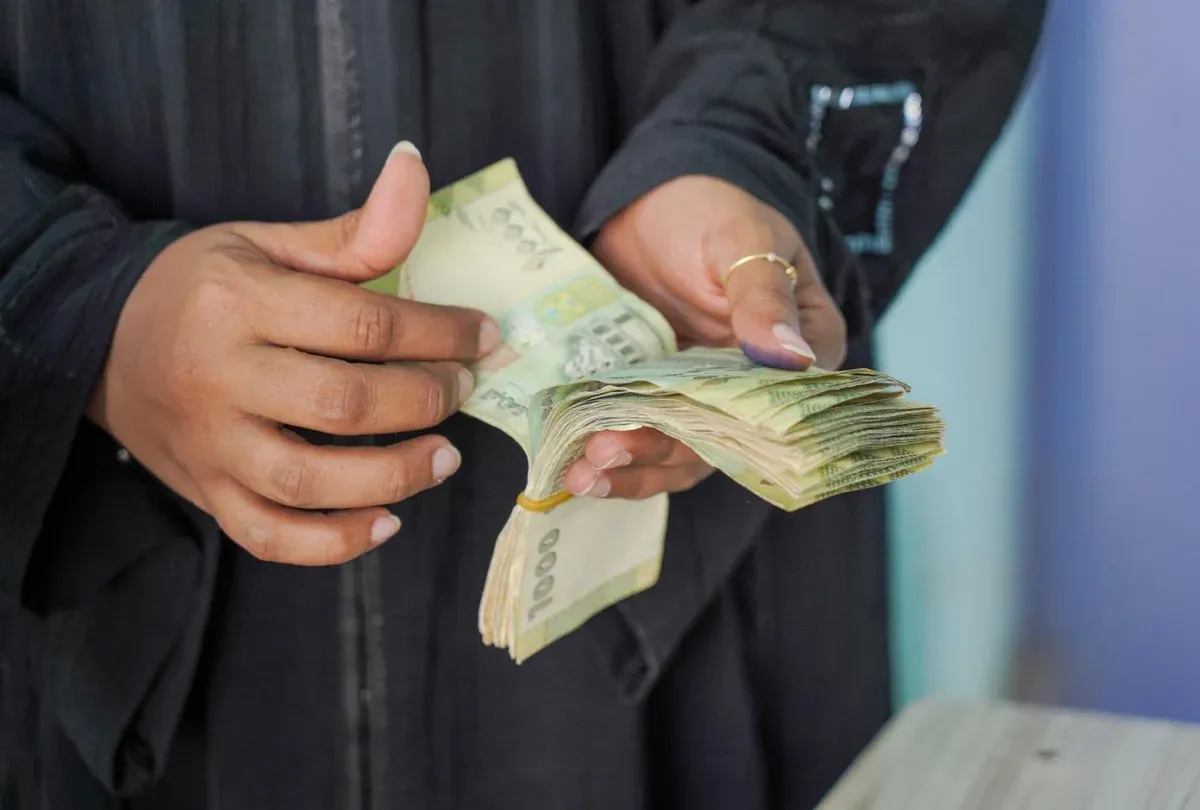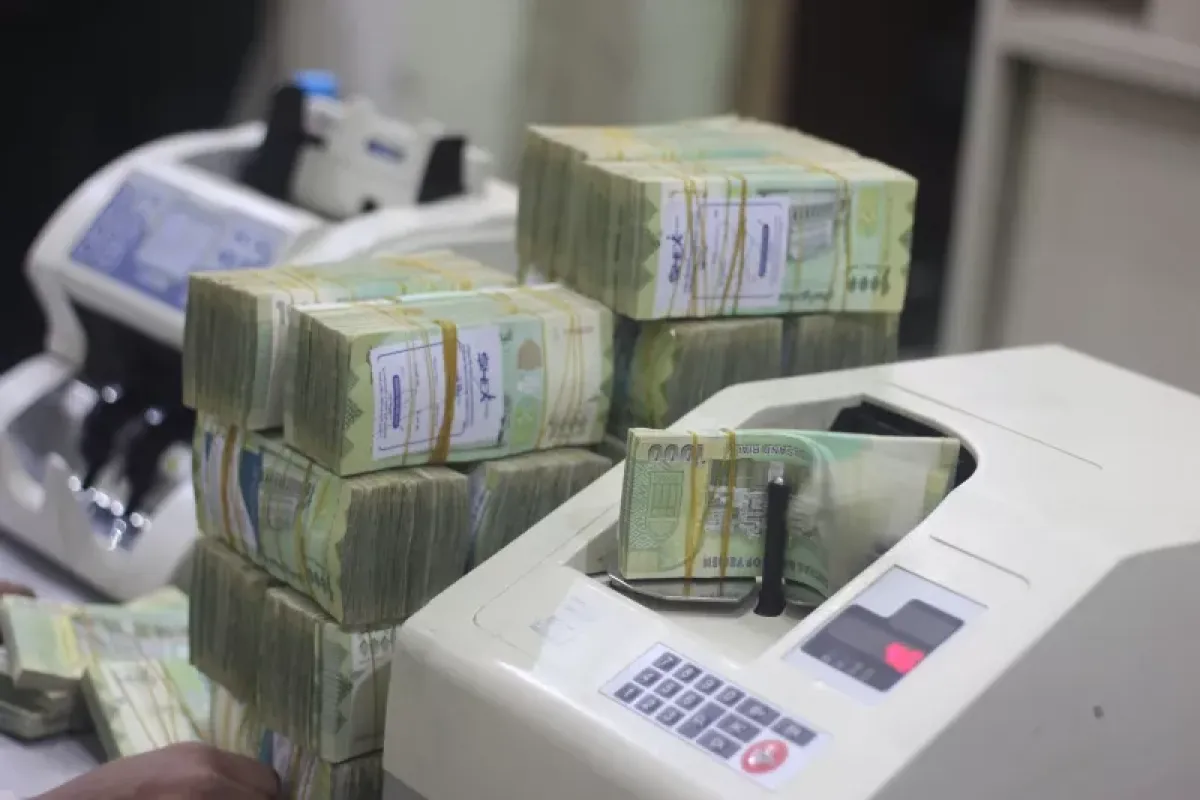
The Central Bank of Yemen, based in the capital Aden, has suspended the licenses of ten exchange and remittance companies and ordered the closure of their premises following violations identified by a field inspection team from the banking supervision sector.
The Central Bank stated that its governor, Ahmed Ghalib, issued a decree to revoke the licenses of the non-compliant entities, based on the field supervision report. This action aims to tighten oversight of the exchange market and curb illicit practices impacting the stability of the banking sector.
The companies affected by the decision include Mohsen Al-Khader Exchange and Transfers, Al-Awadi Exchange and Transfers, Abdulrahman Zibain Exchange and Transfers, Bin Aqeel Exchange and Transfers, Pure Money Exchange and Transfers, Bin Amin Ghannam Exchange and Transfers, and Sinan Exchange and Transfers. Additionally, Al-Waheeb Exchange, Al-Harazi Exchange, and Adel Al-Ashwal (as a remittance agent) have also had their licenses suspended.
This measure is part of broader efforts to combat currency speculation and prevent the exploitation of current economic conditions to manipulate exchange rates. Such manipulation can negatively affect citizens' purchasing power, the cost of goods and services, and confidence in the banking sector.
The decision holds particular significance amidst challenges facing the monetary market and attempts to mitigate imbalances that could benefit unregulated financial networks, thereby weakening the role of official banking institutions and their capacity to regulate currency trading and financial transfers.
This move follows a series of supervisory campaigns conducted by the Central Bank in recent months, which reportedly resulted in the closure of approximately 1,130 exchange companies and establishments as part of measures to control the sector's activities and curb illegal and speculative practices.