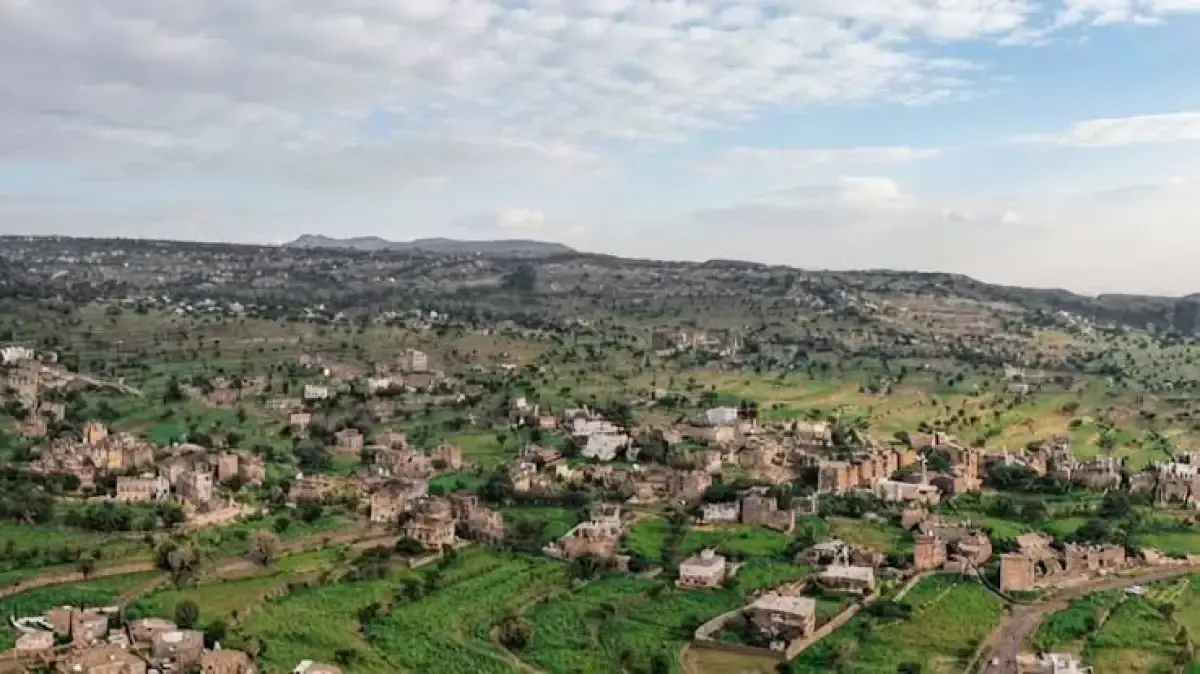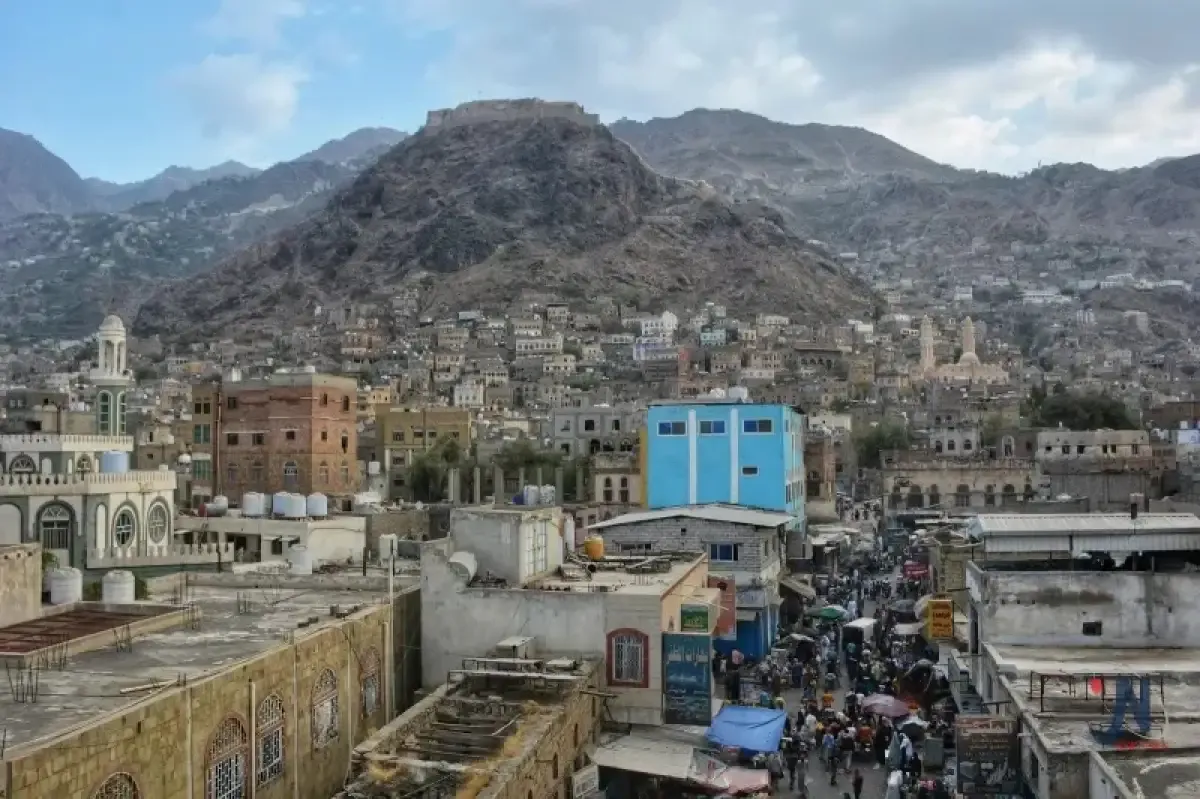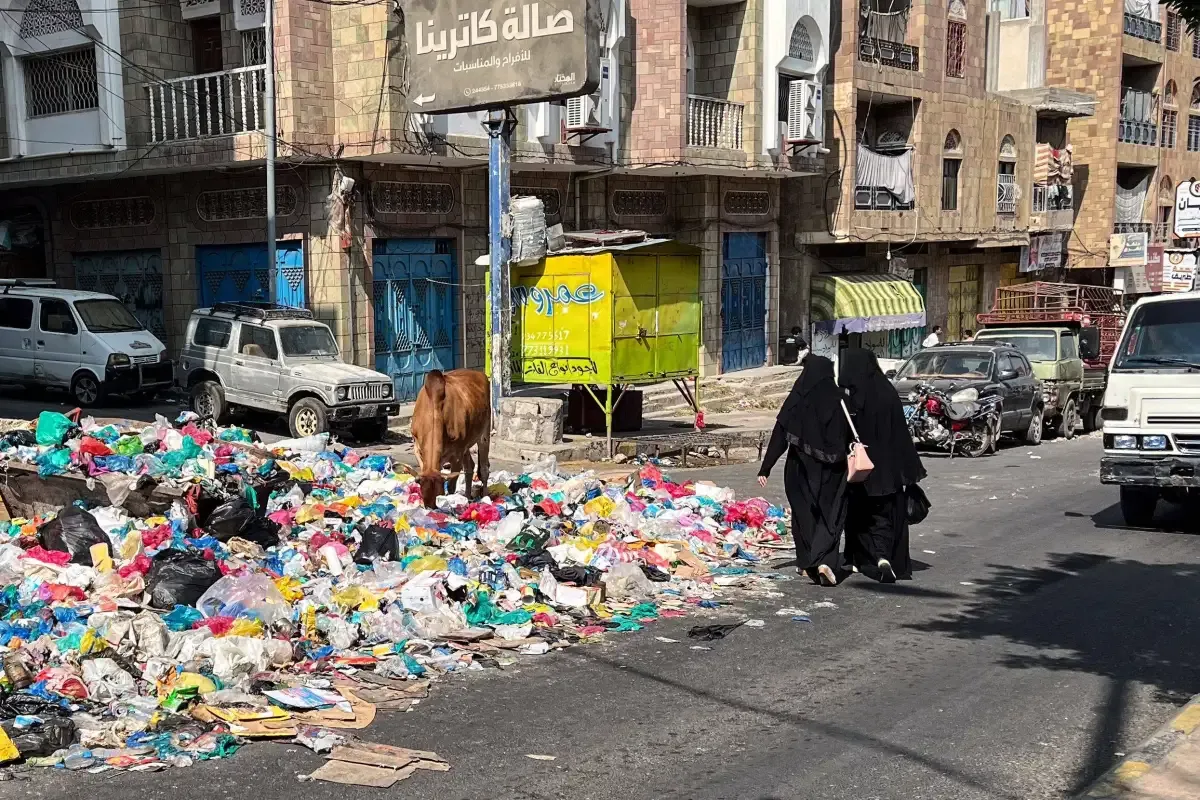
The Yemeni city of Taiz is experiencing a severe deterioration in its health and environmental conditions, marked by a surge in epidemic indicators and the overwhelming accumulation of waste in its streets, reflecting the extensive humanitarian consequences of the years-long blockade imposed by the Houthi militia.
Epidemiological data released by the Taiz Governorate's Medical and Environmental Committee up to November 1, 2026, reveal escalating health risks. Suspected cases of dengue fever have increased by 26%, with a 71% rise in the city itself. Waterborne diarrhea cases have seen a 22% increase, and suspected mumps cases are up by 94%, juxtaposed with a 27% decline in weekly medical consultations.
The crisis extends beyond disease outbreaks, with an assessment of 27 health facilities indicating that over 80% are non-operational due to shortages in fuel, personnel, and medical supplies. The committee warns that the continued obstruction of roads and impeded access for patients and ambulances threaten the remaining facilities with closure, thereby multiplying the risk of fatalities from treatable illnesses and injuries.
This decline coincides with streets and residential areas being inundated with mountains of waste. Operations to collect and transport refuse to designated landfills have been hampered by restrictions on the movement of sanitation trucks, preventing their access to disposal sites. A concurrent fuel crisis and reduced operational capacity of the Sanitation and Improvement Fund have exacerbated the situation.
The waste crisis has transformed from a service issue into a daily environmental and health threat, particularly as refuse accumulates in residential areas and along wadis and culverts. The decomposition of organic matter is leading to widespread stench, the proliferation of insects and rodents, and air pollution from the burning of waste. The General Authority for Environmental Protection has cautioned that accumulated garbage produces toxic leachate from organic decomposition and fosters rodent and bird populations, while waste incineration releases toxic carbon monoxide, worsening respiratory and allergic conditions.
These risks are amplified for the elderly, individuals with chronic illnesses, and residents living near wadis and waste accumulation sites, especially given the diminished capacity of health institutions to respond to the rising number of cases. Houthi restrictions on the movement of sanitation trucks are a primary factor hindering containment efforts. Sanitation teams face difficulties accessing landfills, particularly after the main landfill in Shar'ab junction was reportedly seized by the militia at the outset of the conflict. Local accounts indicate that sanitation workers have been targeted in previous attempts to transport waste there.
Attempts to transport garbage to the Al-Saleh Gardens landfill west of the city have also encountered significant challenges, compounded by diesel shortages and increased transportation and maintenance costs. This has resulted in the persistent accumulation of waste within the city's streets and neighborhoods. In a recent development, the Houthi militia continues to prevent sanitation trucks from reaching the Al-Saleh Gardens landfill in the Al-Dabab area, forcing sanitation teams to reroute their disposal efforts to the slaughterhouse area, effectively stalling remediation efforts.
Dr. Eelan Abdulhaq, the Governorate's Undersecretary for Health Affairs, stated in video recordings that the Health and Environmental Affairs Committee had approved the relocation of waste to the landfill, but Houthi checkpoint personnel prevented the trucks' passage, compelling the team to alter their route. Abdulhaq warned of worsening waste accumulation and disease spread, noting that hospitals and health centers are operating below capacity and are threatened with shutdown due to the ongoing blockade and restrictions on the import of medicines, food, and fuel.
The Sanitation and Improvement Fund faces mounting challenges, including restricted access to landfills in contested areas, movement limitations for trucks, soaring fuel prices, and increased transportation, maintenance, and spare parts costs. The fund estimates that the city generates between 500 and 550 tons of waste daily, requiring substantial resources in equipment, vehicles, fuel, labor, and secure disposal sites. Despite emergency interventions to clear accumulated waste, these efforts have significantly depleted the fund's operational capacity.
These circumstances highlight the substantial gap between the city's needs and its service institutions' response capabilities. The crisis is compounded by field restrictions and resource shortages, suggesting that the persistent waste accumulation is not merely a failure of the sanitation fund but a direct consequence of the blockade and the disruption of essential services. The Medical and Environmental Committee warns that the continued obstruction of essential services and the deprivation of basic life necessities for residents amplify humanitarian risks, constituting violations of international humanitarian law and Geneva Conventions. The committee urges the United Nations, the Security Council, and international organizations to intervene to end the blockade, open routes for civilians, ambulances, and sanitation trucks, and ensure the flow of fuel, medicines, and humanitarian aid.
Taiz finds itself facing a complex crisis where movement restrictions intersect with the collapse of medical services and the decline of sanitation efforts, transforming epidemics and waste into dual threats to the population's lives. The capacity of local institutions to mitigate these consequences remains limited without safe corridors for the delivery of supplies and the operationalization of health and service facilities.