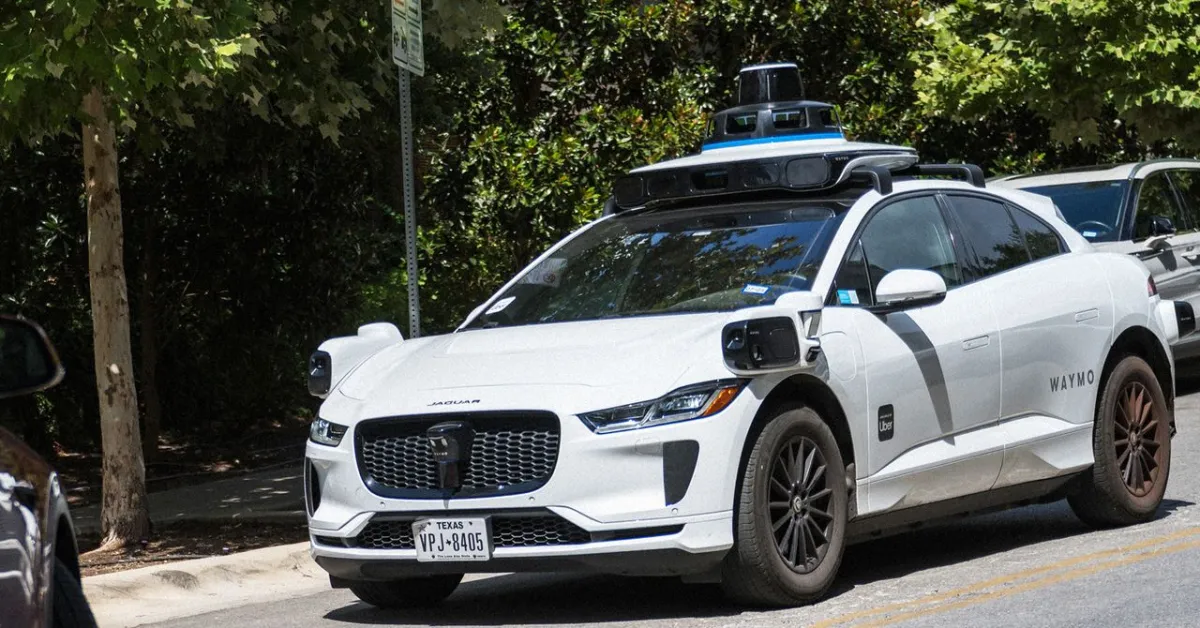
The US government is digging into whether Waymo's recall of software, tied to several school bus passing incidents last fall, actually solved the safety glitch.
The National Highway Traffic Safety Administration (NHTSA) is conducting a formal investigation to see if Waymo's software patch successfully stopped its self-driving cars from illegally passing school buses with flashing red lights and extended stop arms. This maneuver is against the law in all 50 states and signals that children are boarding or disembarking.
Waymo claims it rolled out a software fix in mid-November and initiated a voluntary recall a month later. However, government officials note that most of the school bus incidents happened *after* these dates.
Adding to the concern, the National Transportation Safety Board (NTSB), the nation's independent safety watchdog, reported an incident in mid-January, weeks after Waymo's supposed fix. The NTSB is also investigating the issue.
Waymo spokesperson Dana Gallagher stated the company has "made significant improvements" in how its vehicles handle school buses and hasn't been cited for passing them since March of last year, well after the software recall. She added Waymo is "looking forward to continuing our engagement on recall processes for AV software that continues to learn and improve."
The situation is complex, as WIRED previously reported that the Austin school district even assisted Waymo in a data collection event late last year. This involved setting up school buses and stop-arm signals in a parking lot so Waymo could gather data to train its vehicles, even after the company had issued its software fix and recall. Despite these efforts, incidents persisted.
Historically, investigations like this have resulted in substantial civil penalties for automakers and software developers, sometimes reaching tens of millions of dollars.