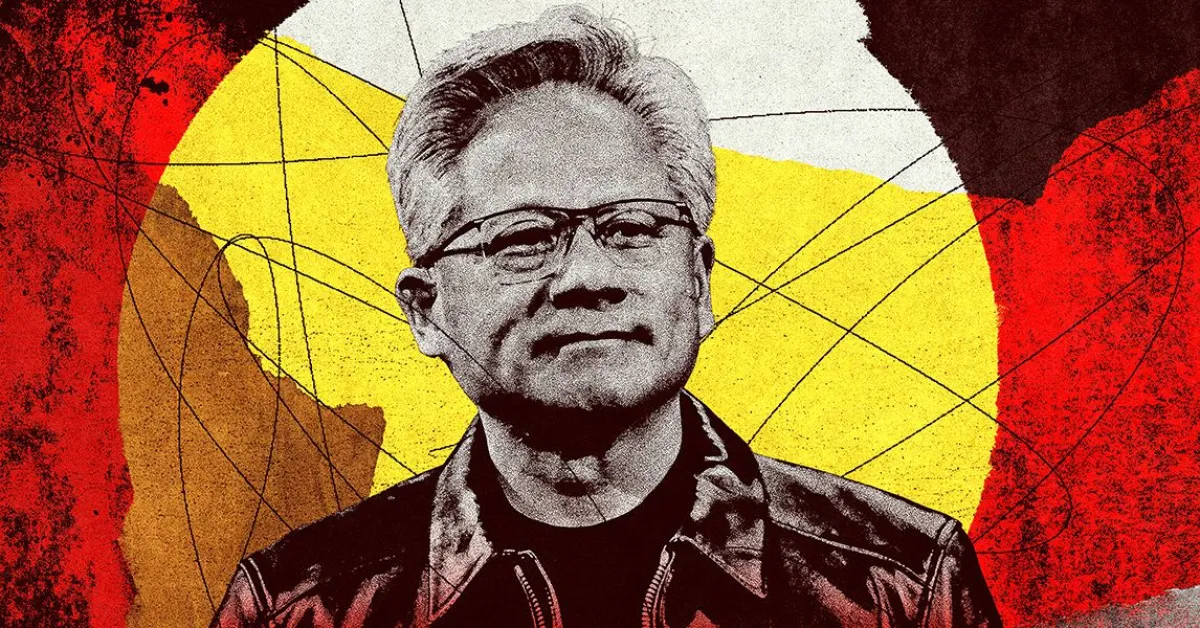
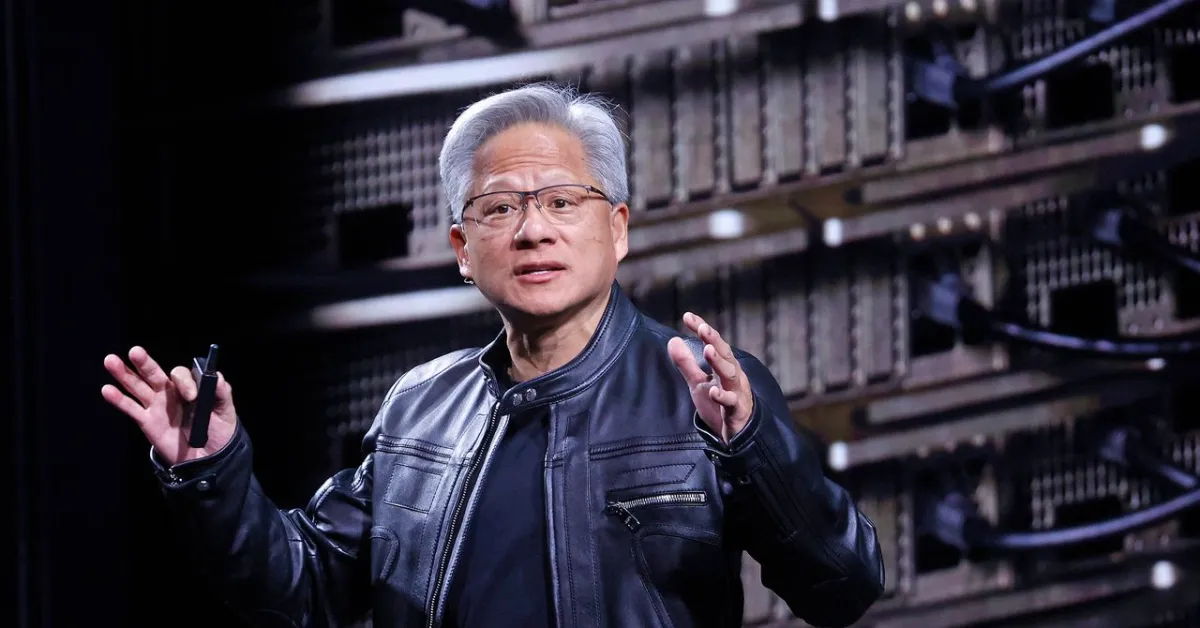
Nvidia CEO Jensen Huang, a towering figure in the AI world, is facing intense scrutiny following allegations of an affair with a woman identified by US intelligence as a Chinese intelligence asset. The situation puts Huang's leadership and the future of the AI industry, which heavily relies on Nvidia's chips, in a precarious position.
The controversy erupted after Huang's alleged affair with Alice Huang, an executive at a Singapore-based company, came to light. US intelligence services reportedly concluded that Alice Huang was a Chinese intelligence asset, raising significant concerns about potential security breaches and influence operations.
Nvidia's board has announced an investigation into the matter, with Jensen Huang expressing full support and commitment to cooperating. The CEO, who earned $36 million last year and holds a substantial stake in the company, is an at-will employee, meaning his future at Nvidia is uncertain.
Nvidia, co-founded by Huang in 1993, dominates the market for AI training chips, controlling an estimated 90 percent. This positions Huang as a key decision-maker in determining which AI advancements receive crucial resources. The company has also heavily invested in AI development, backing major players like OpenAI and Anthropic.
Experts note that Huang's prominence is almost unparalleled within the industry, with no clear successor identified. This lack of a clear succession plan raises concerns among customers and stakeholders about potential disruptions if Huang were to depart.
The fallout from the scandal could extend beyond Nvidia. The FBI may investigate potential legal violations, and Congress might examine whether the affair influenced US policy on chip exports to China. Nvidia's stock saw a dip of over 4 percent following the news.
The situation is particularly sensitive given Huang's recent public stance against stringent technology export controls on China. His credibility on this issue is now under serious doubt, and the scandal is expected to intensify efforts to tighten scrutiny on chip exports to China, potentially accelerating crackdowns by the Commerce Department.