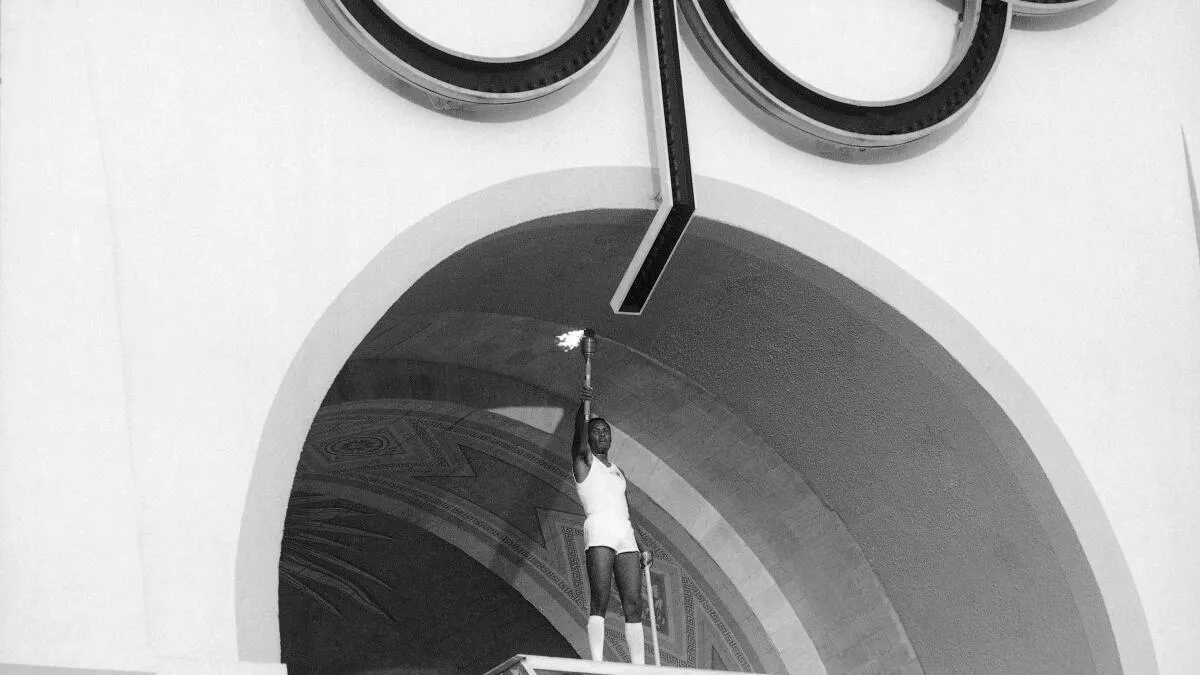
Despite the celebratory atmosphere surrounding the 1984 Los Angeles Summer Olympics, organizers harbored significant anxieties about potential terrorist attacks, a concern that continues to resonate as the city prepares to host the 2028 Games.
Peter Ueberroth, the head of the 1984 Los Angeles Olympic organizing committee, revealed in his memoir, "Made in America," that he and his wife were consumed by worries about security during the event, constantly fearing that their luck in avoiding an attack would run out. While the 1984 Games are often remembered as a moment of national pride and civic success for Los Angeles, Ueberroth's account highlights the pervasive specter of violence that shadowed the festivities, even preceding the heightened security awareness post-9/11.
The looming 2028 Olympics in Los Angeles are already facing substantial security cost projections, with the Los Angeles Police Chief estimating policing expenses could approach $4 billion. This significant financial burden raises questions about funding sources, with federal contributions uncertain and local officials expressing reservations about the potential financial impact on the city. The situation underscores the high stakes involved in ensuring the safety of major international sporting events.
While direct comparisons between the security landscape of 1984 and 2028 are difficult due to evolving global threats and city dynamics, the challenges faced by Los Angeles 42 years ago offer valuable insights. The 1984 Games were marked by intense debates over policing levels, cost allocations, and the assessment of genuine security threats. Organizers grappled with numerous leads and warnings, including a potential Soviet plot and threats from local gangs, alongside Cold War political considerations and concerns about Armenian terror groups. These concerns, while real, often blurred the lines between credible threats and politically motivated speculation.
Despite the numerous scares and the discovery of a significant explosives cache two years after the Games, linked to radical groups planning a prison break, the anticipated major terrorist attacks did not materialize during the 1984 Olympics. However, there were isolated incidents, including a fatal vehicle attack and the discovery of a homemade bomb in a man's car who claimed to be a "street warrior." Organizers, while prioritizing security, were also determined not to transform the Games into a police state, balancing safety concerns with the desired celebratory ambiance.
This delicate balance between security and atmosphere remains a critical consideration for the 2028 Games. Ueberroth's insistence on maintaining the spirit of the Olympics, even when confronted with substantial security demands from law enforcement, serves as a precedent. He and other officials questioned extensive security proposals, partly due to a commitment to avoiding financial burdens on Los Angeles. This approach, while potentially risky in retrospect, allowed the Games to be perceived as a celebration rather than solely an international security operation. Current officials are echoing similar sentiments, emphasizing that the success of the Olympics cannot come at the cost of unchecked financial commitments for the city.