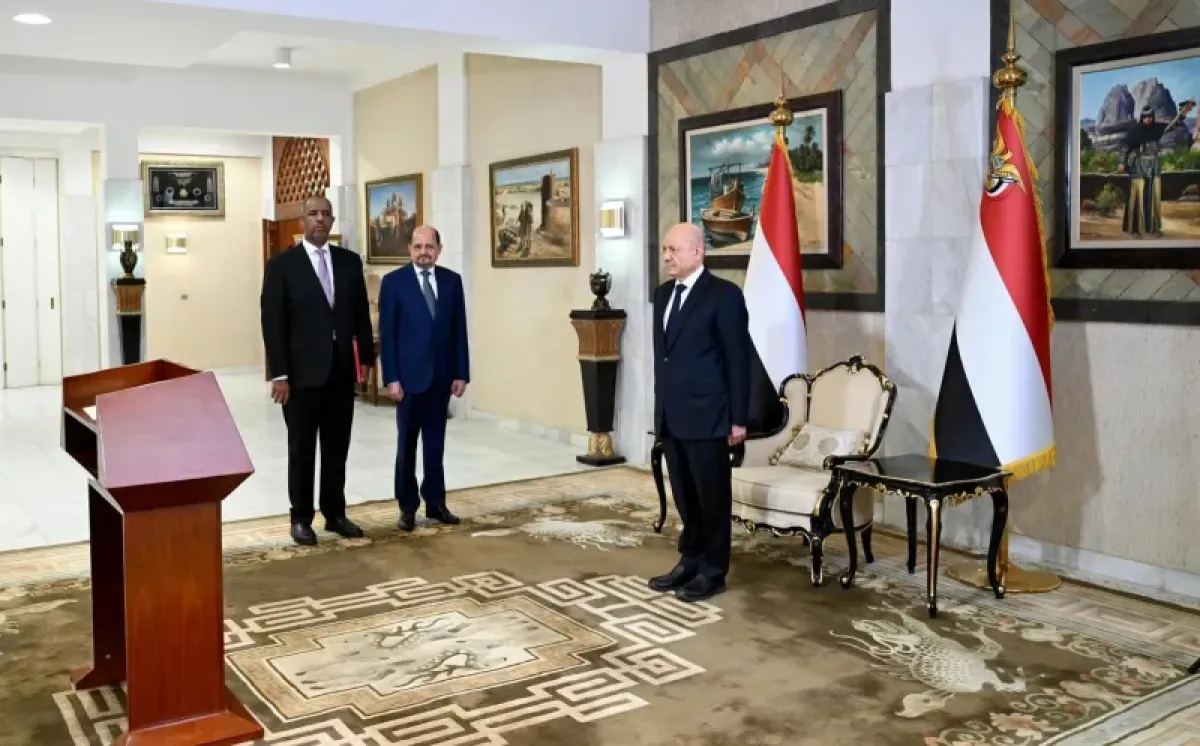
Professor of Political Science, Dr. Ahmed Abdul Karim Saif, said that there are difficult obstacles on the way that the sponsors of peace in Yemen and the parties to the negotiations should pay attention to, including the representation of the parties in the political dialogue or the Presidential Council.
The professor of political science at Sana’a University explained in an analytical vision that the Yemeni National Resistance in the western coast represents the most important military and political entity opposed to the Houthi movement in the northern governorates, and therefore the final settlement negotiations cannot be completed without the representation of this entity.
The Political Bureau of the National Resistance includes many prominent Yemeni political figures, tribal and religious social figures, and a wide range of members and parliamentarians of the General People's Congress Party, political parties, organizations and other forces. Professor Saif said.
"An entity has such presence cannot be absent or ignored from participating in important negotiations that determine the future of Yemen. The multiplicity of anti-Houthi parties within the negotiations, which agree with each other on many issues, is in the interest of these parties. If we imagine that the parties that will be represented in the upcoming negotiations are the legitimacy government, the Southern Transitional Council (STC), the National Resistance, and the Houthis, then the first three parties will have their votes likely in the negotiations". He added.
Negotiation Scenario
He said that there are many scenarios in the file of negotiations, and the participation of some parties, the most important of which is the issue of representation in the settlement negotiations after the silence of the guns:
First: The government delegation:
It is natural for legitimacy government to attend the negotiations, and President Hadi will represent symbols of his choice, but within this delegation the Islah Party will be represented, if not dominant, in addition to figures from other small parties loyal to legitimacy, which Hadi has always placated with some seats in the ministries formed during the past six years. Hadi's delegation will also announce its representation of the General People's Congress, ignoring the other wings of the party, which will be completely out of the picture and absent from negotiations that will shape the future of Yemen for years to come. Also, all other parties that did not oppose Hadi but did not ally with him or agreed with him on his method of managing the state, because of which he lost it, will be absent.
Second: The Houthi Situation:
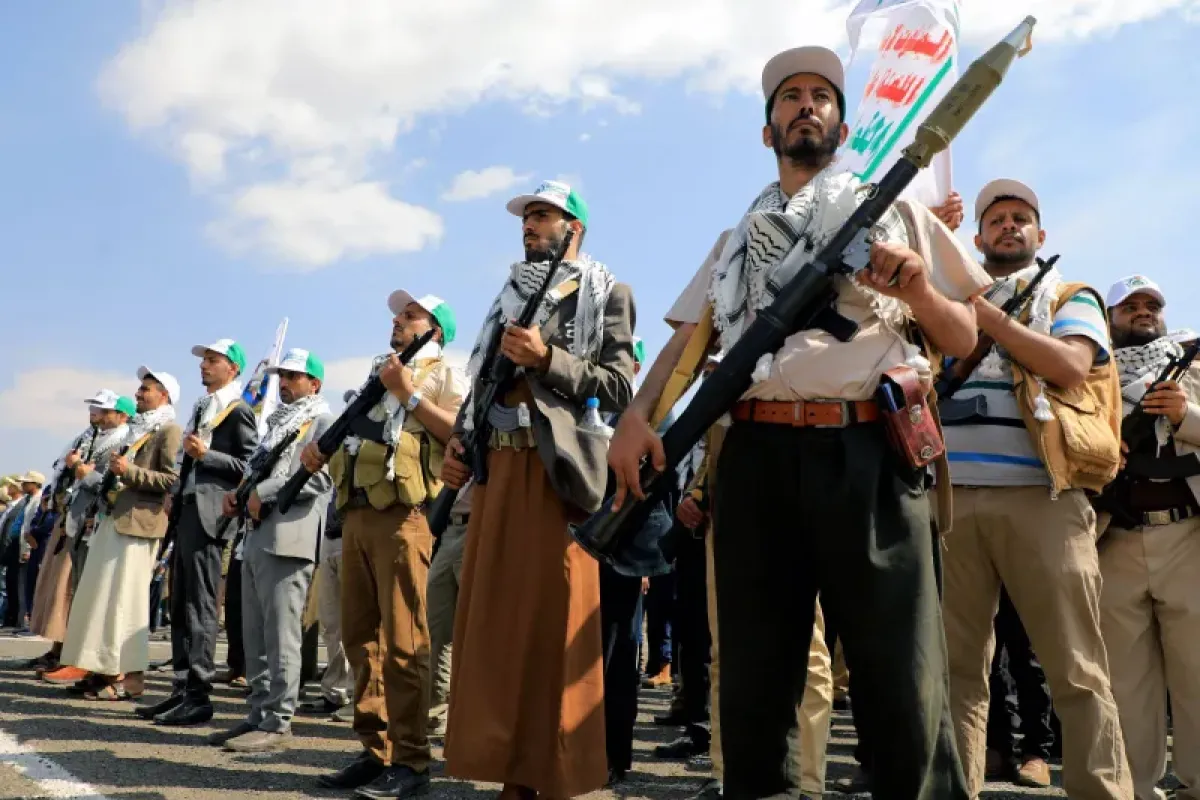
The situation of the Houthis represents the most complex problem in terms of the movement’s structure, its conception of peace, and in terms of the movement’s geographic scope of control when the ceasefire began. The movement does not initially believe in a democratic republic, as it has a historical extension and an ideological legacy that believes in and strives for the Imamate. The Houthi movement also refuses to stop the war until it controls all of Yemen, excludes all political parties, and declares the Imamate state. The final say in this will be for the leader of the movement and the vision of Iran.
According to the Professor there are three Scenarios:
The first is that the Houthis succeed in controlling Marib. The Houthis are now trying hard to overthrow Marib to complete their dominance over the northern governorates with the exception of the western coast. At that time, if the international situation changes, they will continue to advance to the south and west. But if they face widespread international rejection, they will come to the negotiation table in a strong situation and will dictate they conditions.
The third is that the Houthis refuse peace. At this point, the Security Council Resolution 2451 of 2018 supporting the Stockholm Agreement on Hodeidah will be vetoed by them. And therefore, the National Resistance will likely take Hodeidah. The Houthis will suffocate economically and militarily, as Iranian supplies will be cut off from them, and they will be greatly weakened, they will accept any conditions for negotiation. Their position will be weak, their role will be marginal, and they may retreat to Saada.
Third: The importance of representing the South:
A southern party must be represented in any upcoming settlement negotiations, and since the Southern Transitional Council (STC) is currently the active and controlling Aden and other parts of the south, with other marginal parties present, then the (STC) must be present around the negotiating table.
The National Resistance on Yemen's West Coast represents the most important military and political entity opposed to the Houthi movement in the northern governorates, and therefore the final settlement negotiations cannot be completed without the representation of this entity.
In addition to its large military strength, which includes the elites of the former Republican Guard, its Political Bureau represents a broad portfolio that includes many of the most prominent Yemeni political figures, tribal and religious social figures, and a wide range of members and parliamentarians of the General People's Congress Party, political parties, organizations and other forces.
Thus, an entity has such presence cannot be absent or ignored from participating in important negotiations that determine the future of Yemen. The multiplicity of anti-Houthi parties within the negotiations, which agree with each other on many issues, is in the interest of these parties. If we imagine that the parties that will be represented in the upcoming negotiations are the legitimacy government, the Southern Transitional Council (STC), the National Resistance, and the Houthis, then the first three parties will have their votes likely in the negotiations.