Despite the huge sums that the Iran-backed Houthis get from tax and customs, oil derivatives, domestic gas and port revenues, which they are supposed to allocate, or at least part of them, to pay the salaries of employees cut off since 2016, the militias account for all these revenues to fund their war on the Yemeni people, and looted by their influential leaders in favor of their personal projects.
While the Houthis spend billions of riyals on what they call the "war effort" and accumulate wealth, whether in the form of money, real estate, land or private companies, citizens in their areas suffer from extreme poverty amounts to a complete lack of livelihood and the lack of the most basic needs of life.
With the war entering its eighth year in Yemen, the crisis in this country is still classified as one of the worst humanitarian crises in the world, as more than two-thirds of the population (23 million people) need humanitarian assistance amid very real fears of famine, especially in light of the acute shortage of funding for the humanitarian response.
International organizations estimate that about 19 million people, or more than 60% of the population of Yemen, suffer from acute food insecurity. While 18 million people lack access to safe water or sanitation.
The food aid provided by the various organizations represented one of the aspects of alleviating the suffering of the citizens in the Houthi areas, but the militias did not allow it to be distributed to the citizens except according to their policies and to their loyalists in exchange for mobilizing fighters to the fronts. Moreover, they looted by force this aid and imposed on the organizations to hand over a large proportion including cash in exchange for allowing these organizations to operate and be present in their areas of control.
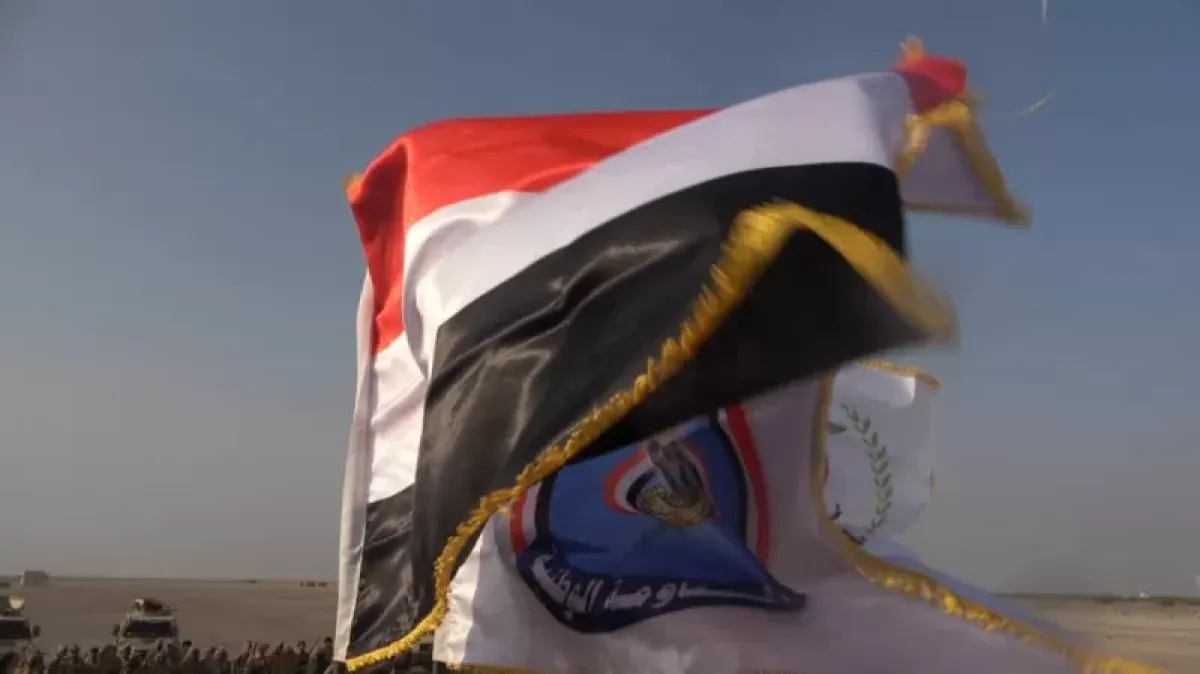
At a time when employees in their areas suffer from interruptions in salaries, and families suffer from a lack of basic necessities of life, and instead paying salaries, the Houthis allocate huge sums of money looted from the revenues of various institutions in favor of financing the military parades.
Political observers considered that the entry into force and renewal of the truce brokered by the United Nations since last April 2 depends on the implementation of conditions, the most important of which is the allocation of port revenues and oil derivatives in favor of employee salaries. However, the militias took advantage of the flow of oil derivatives and their control over the black market in order to finance their military parades.
Observers said that the Houthi military parades have been held recently in Hodeidah and Sana’a reflect a state of fear of any popular movement against them as a result of the tragic humanitarian situation.
"The military parades held in various cities, have strengthened the conviction of the citizens in the areas under their control of the militias' corruption and that the situation is preparing for a popular revolution against them in the next stage".
Iran-backed Houthis spending billions in military parades amid real fears of starvation
3 years ago