The Iran-backed Houthis have intensified military maneuvers, especially since the start of the Israeli war on Gaza. This has raised concerns among Yemenis about the Houthis exploiting the ongoing events in the region and preparing for a comprehensive military escalation, igniting fronts in various Yemeni provinces, and returning to war once again.
Yemenis fear that the Houthi attempt to undermine all regional and international efforts to end the war and drag Yemen into a regional conflict after adopting several attempts to launch ballistic missiles and explosive-laden drones towards Israel.
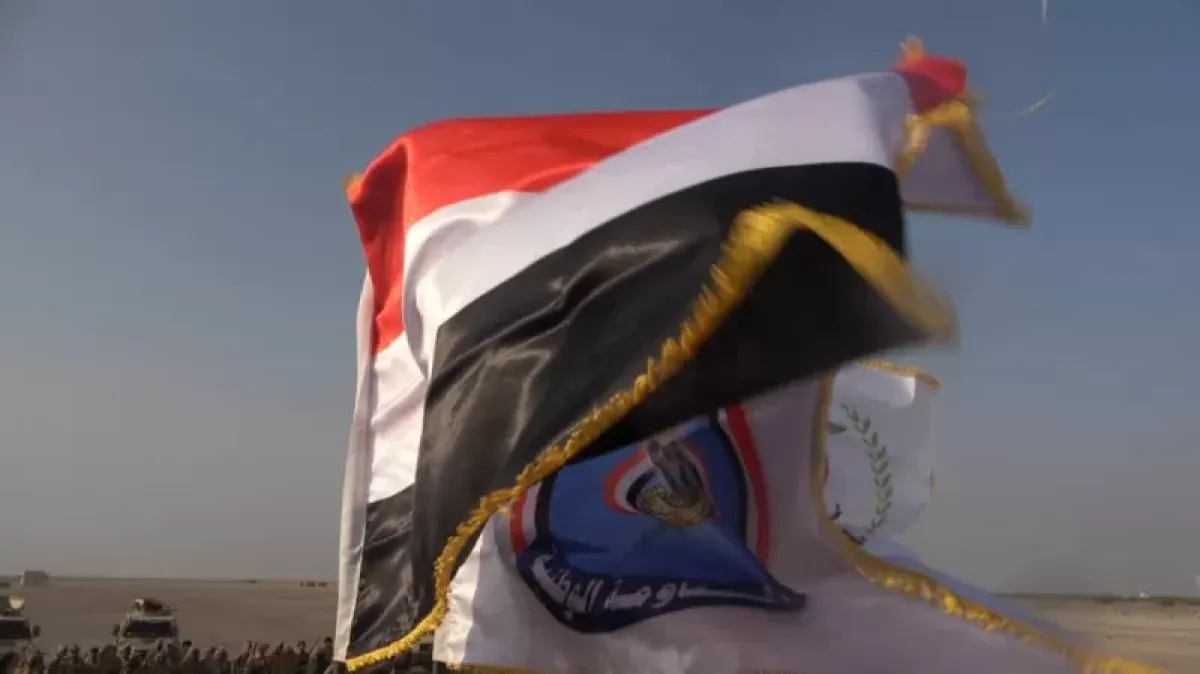
On November 13th, the Border Guard Brigades carried out a military exercise called "Al-Aqsa Flood" to commemorate the graduation of battalions from their special forces courses, as reported by the Houthi Saba News Agency.
The Houthi agency stated that the members of the Border Guard Forces "have received extensive practical training to enhance their military and combat skills and capabilities". Observers believed this as an attempt to reignite the fighting fronts on the borders with the Saudi Arabia, taking advantage of the preoccupation of regional countries with the Israel-Gaza war, the escalation on the Lebanese-Israeli borders, and the military operations targeting American bases in Iraq and Syria.
On November 3rd, the Houthi-affiliated military police in Saada province conducted a maneuver on the occasion of the graduation of the "Al-Aqsa Flood" batch, with the participation of missile weapons, artillery, UAVs, tanks, and various types of weapons.
Experts warned against the Houthi's intensification of their efforts to seize control of official and popular decision-making processes, undermining the Yemeni legitimate government's political and diplomatic powers and dealing with critical Arab and Islamic issues independently of Arab and Islamic consensus and agreement. This includes transforming their capital and country into a part of what is known as the "Axis of Resistance," which Tehran boasts of establishing its military arms in Lebanon, Iraq, Syria, and Yemen. This attempt aims to drag the country into a military confrontation in which it is not a party, thereby prolonging the war ignited by the militia in late March 2015 and sabotaging regional and international efforts aimed at ending it and achieving a comprehensive political settlement.
As warned about the danger of the militia's plans to serve an external agenda, and the regional escalation it represents that will ignite the entire region, in addition to exacerbating the humanitarian catastrophe in a country classified by the United Nations as one of the largest humanitarian crises in the world, with an estimated 21.6 million people in need of humanitarian assistance or protection this year.
On November 14, the militia leader Abdul-Malik Al-Houthi said that his group will continue to plan for additional operations towards Israel and in the Red Sea and Bab-el-Mandeb Strait.
A US Navy warship shot down a drone in the Red Sea that emanated from Yemen, two US officials told Reuters on Wednesday, in what appeared to be only the second time the United States has brought down projectiles near its warships since the Israel-Hamas conflict began.
In October 2016, the Houthis adopted the launching of missiles towards three American warships in the Red Sea, posing a threat to maritime navigation and global trade in this vital passage. This led the United States to bombard radar sites belonging to the Houthis in the coastal province of Hodeidah, marking the first direct military intervention by the US against the Houthis.
Iran-backed Houthis intensify military maneuvers in preparation for a potential escalation
2 years ago