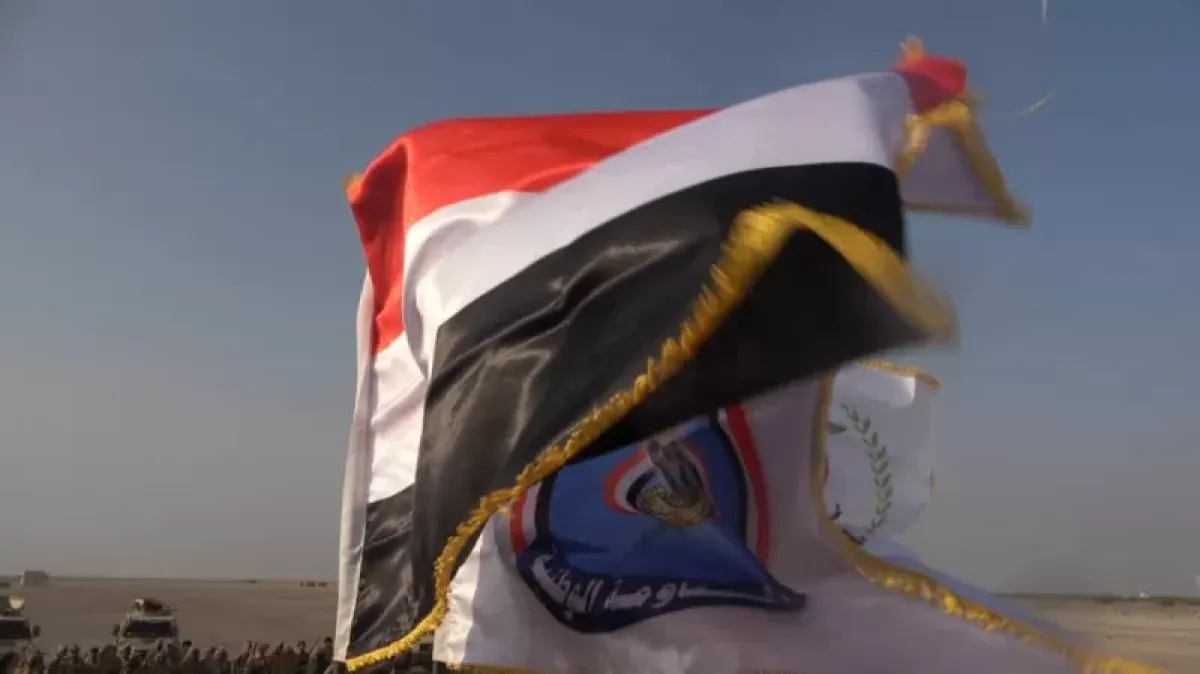
In a reproduction of the "Popular Mobilization" experience in Iraq, the Iran-backed Houthis have established a new military formation called the "Popular Community Mobilization" claiming to "confront the enemies of Yemen".
The establishment of these forces, which are trained, armed, and funded in various provinces, is reminiscent of the creation of the so-called "Popular Committees" formed by the Houthis following the invasion of the capital Sanaa and several provinces in September 2014. These committees have become the military arm and parallel army relied upon by the Houthis to carry out their external sectarian agendas and plans for control, expansion, and seizure of the country's military and economic resources.
Houthi-run Saba news agency broadcasts extensive news about military parades of the "Popular Mobilization Units" with the presence of leaders and officials of the militia in directorates and governorates.
The creation of these new military formations by the Houthis comes as part of enhancing their military and security capabilities, taking advantage of the war in Gaza and the volatile situation in the Middle East, as well as planning to send thousands of fighters to various battlefronts, especially to the provinces of Hodeidah, Marib, Al-Jawf, Taiz, Saada, and Hajjah.
The Houthi Popular Mobilization in its sectarian and tribal formation resembles the Shiite one in Iraq, which was founded in 2014 following the terrorist organization "ISIS" control over large parts of Iraq and Syria.
Human Rights Watch, said in a report on October 13 that "Over the last three months, the Houthis have recruited more than 70,000 new fighters, including from the governorates of Dhamar, Sanaa, Saada, Ammran, Hajja, and Hodeida".
The report said that "Houthis have recruited thousands of people to their armed forces since October 7, 2023, and activists report the armed group recruiting children as young as 13, Human Rights Watch said today. Recruiting children younger than 15 is a war crime".
“The Houthis are exploiting the Palestinian cause to recruit more children for their domestic fight in Yemen,” said Niku Jafarnia, Yemen and Bahrain researcher at Human Rights Watch. “The Houthis should be investing resources into providing the basic needs of children in their territories like good education, food, and water, rather than replacing their childhood with conflict.”
Human Rights Watch spoke with five human rights activists and individuals working with civil society organizations across Yemen, who confirmed a significant increase in child recruitment in recent months.
One woman who leads a human rights-focused nongovernmental organization said: “The Houthis make children believe that they will fight to liberate Palestine, but they end up sending them to [the front lines in] Marib and Taiz. Indeed, the Houthis’ Gaza is Marib [a Yemeni city with oil resources Houthis have repeatedly attacked].” The Houthis have also unlawfully besieged the northeastern city of Taizz since 2015, in which they have blocked water and humanitarian aid from reaching civilians.
While it is unclear how many of the new recruits have been children, several activists and experts working on issues related to child recruitment told Human Rights Watch that the vast majority of recruits are ages 13 to 25, including at least hundreds or thousands who are younger than 18.
News releases about their recent recruitment published by the Houthis’ official news outlet, SabaNet, show people who appear to be children.
Iran-backed Houthis create "Popular Mobilization Forces" to copy the Iraqi experience
2 years ago