Violence stemming from land and property disputes is escalating in areas under Houthi control, with a significant rise in killings and armed clashes. Accusations are mounting that the militia is deliberately prolonging real estate disputes and weaponizing the judiciary to benefit networks of influence and facilitate property seizures.
In the latest incident, three individuals were killed and two others injured on Thursday evening following armed confrontations over a parcel of land in the Qafila 'Adhr district of 'Amran governorate. Local sources reported that the clashes erupted between disputing parties over land ownership, resulting in the deaths of Muslih Yahya 'Awsah, Ali Saad Mashouh, and Mabrouk Ali Darman, with two others sustaining varying injuries.
These incidents have triggered tribal tension and mobilization in the region, amid fears of wider conflict due to ongoing security disintegration, ineffective judicial remedies, and a lack of decisive intervention to contain the disputes. The escalation of property conflicts in Houthi-held territories has transformed from mere social or tribal disagreements into a dangerous phenomenon linked to institutional chaos, particularly after the militia's takeover of security and judicial apparatuses.
In recent years, Sana'a and other Houthi-controlled governorates have witnessed a marked increase in killings and clashes arising from land disputes. The militia is accused of colluding with influential figures and Houthi supervisors involved in extensive confiscation and looting of public and private properties. Human rights advocates assert that many disputes are exacerbated by the deliberate obstruction of judicial resolutions for property cases, leaving files unresolved for years, thus compelling parties to resort to arms and tribal violence.
Activists and human rights defenders accuse the Houthi militia of bringing the judiciary under its direct control, turning courts into instruments for its political and economic agenda, especially concerning high-value land and property cases. Recent years have seen significant changes within the judicial system, including the marginalization of judges and staff and the appointment of loyalists to key judicial positions, leading to a decline in trust and an increase in complaints of corruption, extortion, and judicial manipulation.
Residents in Houthi-controlled areas also allege that some affiliated leaders and supervisors exploit military and security influence to seize land and properties, benefiting from state weakness and a lack of legal oversight. Cases filed against influential figures linked to the militia are reportedly obstructed. This deliberate delay in resolving property cases has created fertile ground for violence, as citizens lose faith in the judiciary and turn to tribal force and weaponry to settle disputes.
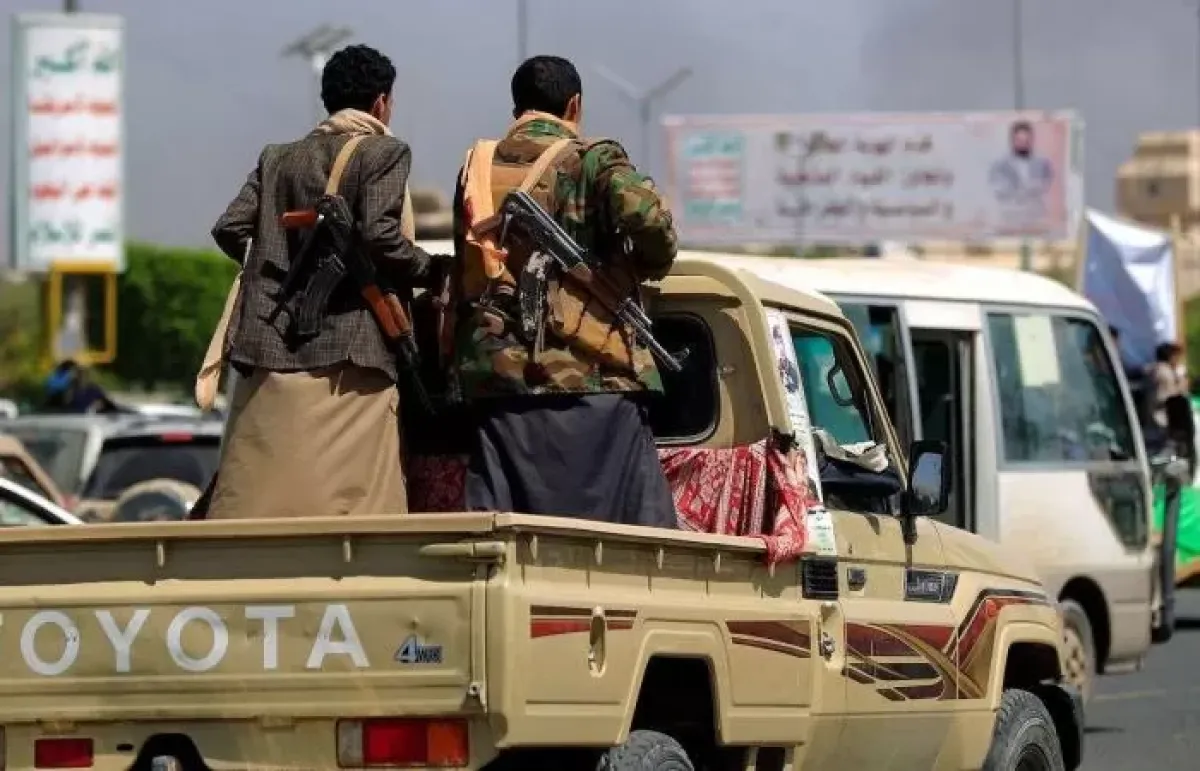
The worsening land disputes are also connected to widespread security breakdown and the proliferation of weapons in Houthi-controlled areas, in the absence of state institutions capable of enforcing law and protecting rights. Despite the militia's stringent security grip on dissidents and activists, tribal and land disputes continue to rise, revealing a dual approach to security, where force is employed to serve influence and control rather than to build genuine justice institutions. Analysts believe the continuation of this chaos threatens the social fabric and fuels cycles of revenge and tribal violence, especially with growing feelings of injustice and a loss of confidence in judicial and security institutions.
Observers note that land disputes have become a significant source of influence and funding for influential Houthi leaders through networks engaged in seizing state, endowment, and private properties, or acting as intermediaries in property disputes for financial and political gain. The legal chaos and the paralysis of state institutions have also opened avenues for a vast real estate and land trade managed by influential figures linked to the militia, in the absence of genuine oversight or legal accountability. Human rights activists warn that continued manipulation of land issues and the use of the judiciary as a tool of influence could lead to further violence and social divisions, particularly as the number of victims and the scope of property-related armed conflicts expand.