Scientists have identified a protein, NFIL3, that may be hindering the effectiveness of CAR T-cell cancer therapy, potentially paving the way for improved treatments, especially against challenging solid tumors.
Researchers from Columbia University and University Hospital Tübingen discovered that disabling the NFIL3 protein allowed engineered immune cells, known as CAR T cells, to remain active for longer and fight tumors more effectively. This breakthrough, detailed in the journal Cancer Discovery, could significantly enhance CAR T-cell therapy, a cutting-edge personalized cancer treatment.
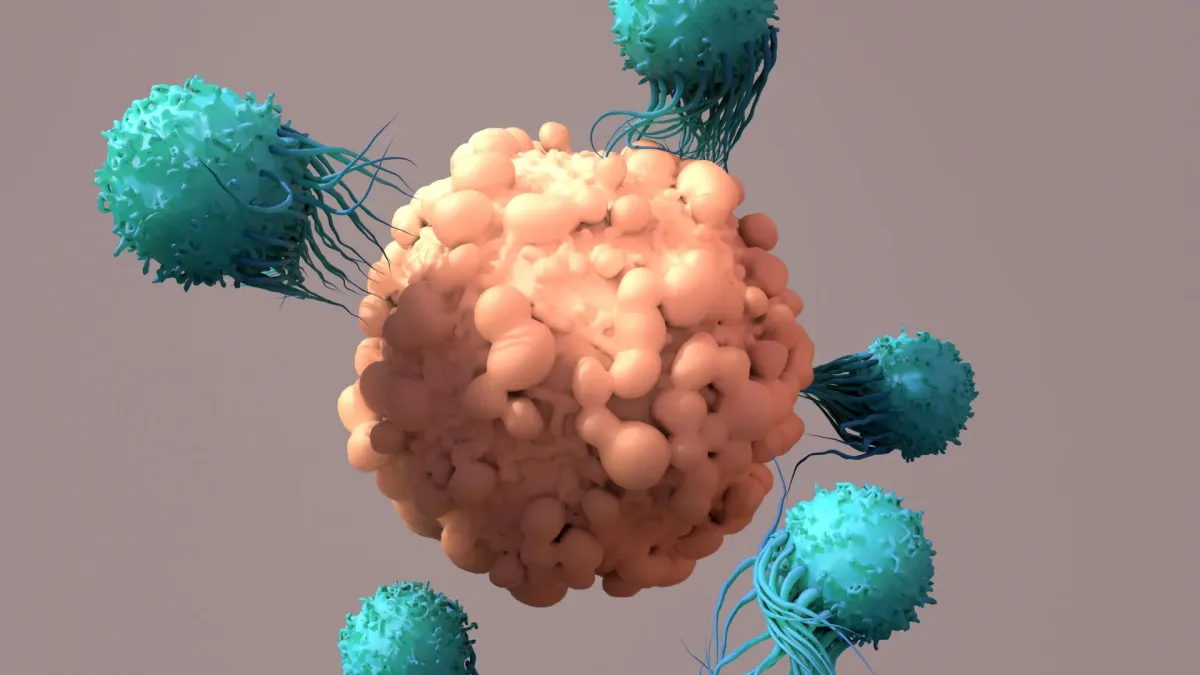
CAR T-cell therapy involves genetically modifying a patient's own immune cells to target and destroy cancer cells. While this approach has shown impressive results against certain blood cancers, its success against solid tumors has been limited. The research team, co-led by CAR T-cell pioneer Prof. Michel Sadelain and Prof. Judith Feucht, aimed to uncover the reasons behind this limitation.
Through a large-scale analysis of proteins that regulate gene activity, the scientists pinpointed NFIL3 as a key player in CAR T-cell exhaustion, a state where these cells lose their cancer-fighting power. By removing NFIL3 using CRISPR gene-editing technology, the CAR T cells demonstrated enhanced longevity, multiplication, and anti-tumor capabilities in laboratory studies.
"Switching off NFIL3 could be a decisive step toward significantly improving the long-term potency of CAR T cells," explained Prof. Feucht. This was further validated in mouse models, where CAR T cells lacking NFIL3 showed superior tumor control and extended survival rates.
While further research is necessary before human trials can commence, these findings offer a promising avenue for strengthening CAR T-cell therapy and potentially broadening its application to a wider spectrum of cancers, particularly solid tumors that have historically been difficult to treat. "Our goal is to improve the effectiveness of CAR T cells in solid tumors as well," stated co-first author Celina May. "We expect this to open up new possibilities in the treatment of cancer patients," added Feucht.