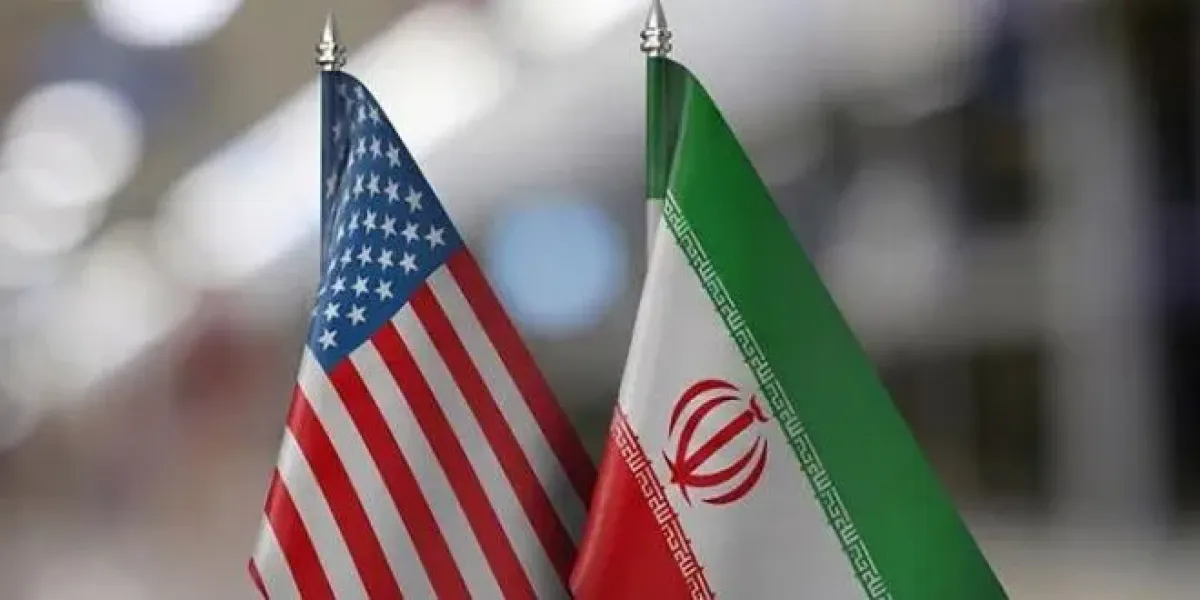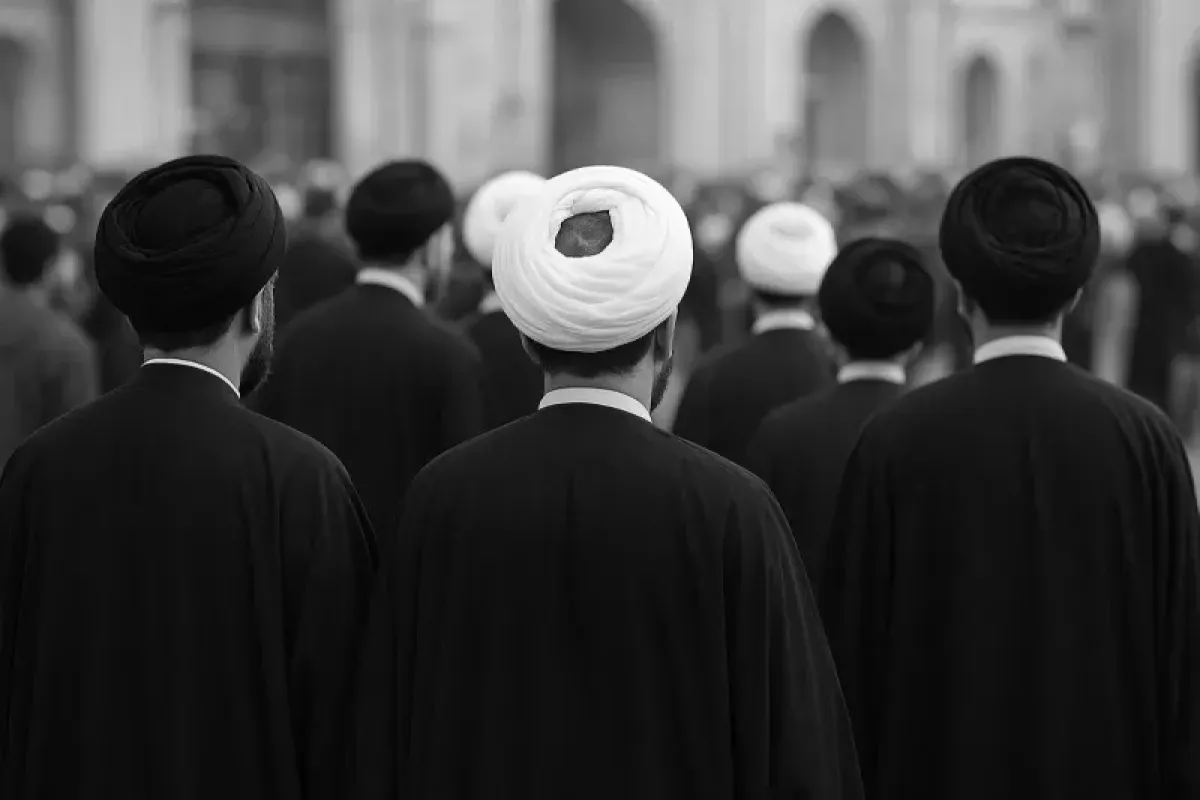
A recent American analysis has uncovered a complex network of influence linked to the Iranian regime operating within the United States, utilizing religious and charitable institutions and figures associated with political Shiism from Pakistan, with Texas serving as a primary hub for its activities. The findings emerge at a time when U.S. policymakers are largely focused on traditional Middle Eastern security challenges.
The analysis, published by the Texas Public Policy Foundation's Cannon Institute under the title "Expanding Our Threat Perception: Iran's Network in Texas and Pakistan," was authored by Sam Westrop, an American researcher specializing in Islamic extremism and recruitment. Westrop contends that Washington continues to view the Iranian threat as exclusively a Middle Eastern issue, while networks connected to Tehran operate publicly within the United States through religious and community institutions that receive insufficient scrutiny.
The report posits that understanding these networks requires examining the historical relationship between the Iranian regime, established after the 1979 revolution, and various Shiite movements in South Asia, particularly political and religious groups in Pakistan that adopted the ideals of the Iranian Revolution and the concept of "Velayat-e Faqih" (Guardianship of the Jurist).
Following the Iranian Revolution, the regime actively sought to establish bases of influence beyond its borders, especially within regional Shiite communities. This effort involved creating religious, educational, and political networks designed to propagate Khomeini's ideology and cultivate generations of clerics and activists aligned with Iran's agenda. The Tehrik-e Jafaria Pakistan (TJP) emerged as a prominent Shiite organization with strong ties to Iran's religious and political establishment. According to the analysis, the TJP was founded with direct Iranian support and evolved into a significant platform for revolutionary Iranian discourse within Pakistan.
Despite being banned by the Pakistani government in 2002 due to accusations of sectarian violence, TJP cadres and leaders reorganized under new names, maintaining their core leadership structure and political objectives. The report indicates that the movement resurfaced as "Millat-e Jafaria," which now oversees multiple branches, including religious, political, charitable, and media institutions both inside and outside Pakistan. The analysis emphasizes that this network's reach extends beyond Pakistan and South Asia, with a notable presence in the United States, particularly in Texas, which has a large Pakistani Shiite diaspora.
According to researcher Sam Westrop, Houston has become a key center for these networks' activities. Several religious institutions, mosques, and cultural centers linked to individuals and organizations with ideological or organizational ties to the Iranian project are active there. The report cites an event held at Houston's Ali Islamic Center last March to commemorate those referred to as "martyrs of Millat-e Jafaria," an occasion Westrop views as having political and ideological significance beyond its religious dimension, reflecting connections to the TJP and its affiliated groups. The report argues that the use of terms like "martyrs of Millat-e Jafaria" carries political connotations that transcend traditional religious observance, linking back to the history of groups supporting the Iranian revolutionary project in Pakistan.
A significant aspect highlighted in the report is the role of Iranian educational institutions in training clerics who operate abroad. The analysis points out that several imams serving in mosques and religious centers within Texas received their education in Qom, Iran, specifically at institutions affiliated with the Iranian regime. Imam Abrar Hussain Irfani, associated with the Ali Islamic Center, studied at the University of Religions and Denominations (formerly University of Islamic Denominations), an institution sanctioned by the U.S. Treasury Department in 2020. The U.S. government stated that the university played a role in supporting the Islamic Revolutionary Guard Corps' (IRGC) activities abroad and provided cover for operations linked to Iranian security agencies.
The analysis suggests that the presence of graduates from these institutions in influential religious positions within the United States raises questions about visa issuance processes and the extent of vetting concerning the ideological and organizational backgrounds of foreign clerics. The report also examines religious and media figures active within Pakistani Shiite communities in Texas, noting that some publicly express support for Iran's Supreme Leader Ali Khamenei and leaders of Hezbollah. American researcher Sam Westrop points to Muhammad Hani Mirza, a regular participant in religious events in Houston, who has posted messages and videos on social media praising the former Hezbollah Secretary-General Hassan Nasrallah and advocating for his approach. Westrop interprets these stances as indicative of an overlap between local religious activities and political propaganda associated with Iran's regional alignment.
Another critical aspect addressed is funding. The Shaheed Foundation Pakistan plays a pivotal role in fundraising for projects associated with what it calls "martyrs of the Khomeini cause," while maintaining collaborative relationships with charities operating in the United States. The foundation openly supports Hezbollah and has organized events in its honor. The report also mentions the role of U.S.-registered charitable organizations in collecting donations for projects linked to the Shaheed Foundation, including Saviors USA, which has partnered with the foundation in the U.S. for years. These financial and organizational ties, the analysis concludes, reveal an extensive network connecting American charities with organizations aligned with pro-Iranian political and religious movements in Pakistan.
The analysis also references the case of Muzammil Zaidi and Asim Naqvi, who were arrested by U.S. authorities in 2020 on charges of illegally transferring funds to Iran. The U.S. Department of Justice stated that both men had operational ties to the IRGC and later admitted to their role in funneling money from the U.S. to Iran for entities connected to Iran's leadership. Westrop suggests this case highlights the financial activities of these networks within the U.S., particularly as some entities within the Pakistani Shiite community reportedly raised funds to cover their legal defense costs. Zaidi has reportedly reappeared publicly since his release, participating in Al-Quds Day events in Houston this year, where he delivered speeches supporting what he termed the "resistance approach."
The analysis concludes that Iran's influence networks within the United States are more complex than commonly understood, extending beyond political or media activities to encompass an integrated system of religious, charitable, and educational institutions operating within American society. Researcher Sam Westrop emphasizes that confronting these challenges requires not new legislation, but stricter enforcement of existing laws and enhanced oversight of funding networks and institutions linked to individuals or entities previously associated with extremism or terrorism support. He warns that ignoring these networks could allow for the continued development of a long-term influence structure within the U.S., leveraging religious, charitable, and social cover, amidst growing American concerns about the expanding activities of Iran-linked proxies beyond the Middle East.