Proposed budget cuts to California's Safe and Affordable Drinking Water Fund could significantly slow efforts to provide clean water to hundreds of thousands of residents, many of whom currently rely on bottled water due to contamination.
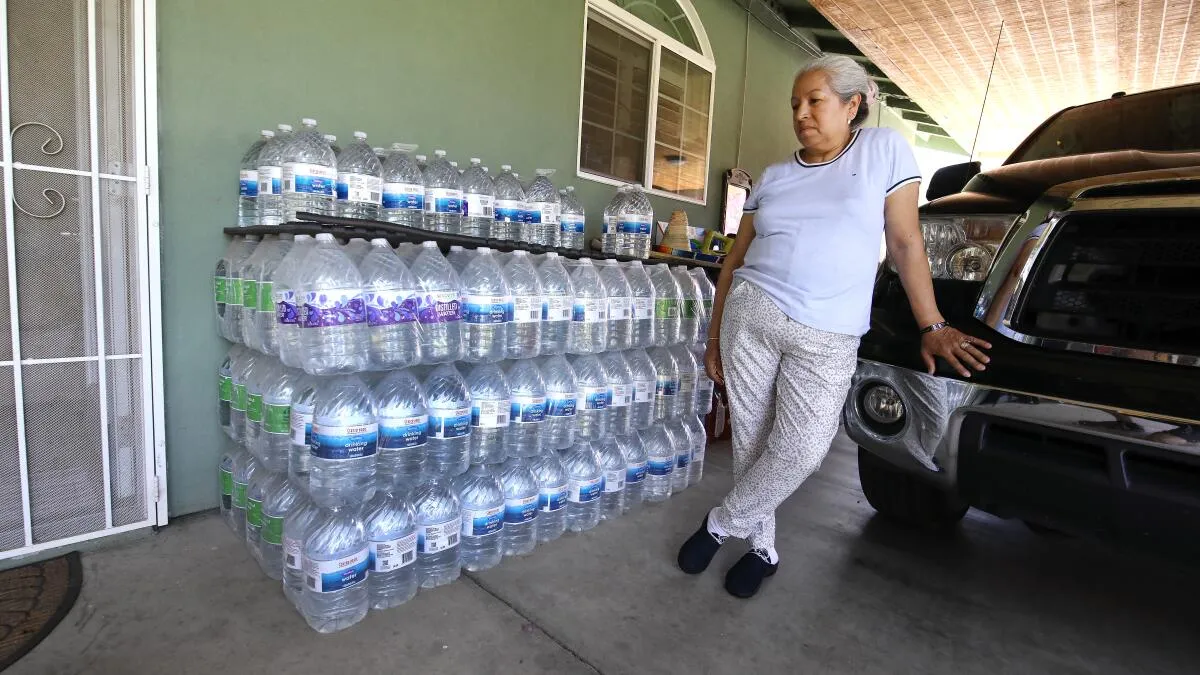
Residents in the San Joaquin Valley, such as Paula Fernández, who lives in a rural area north of Porterville, face the daily reality of undrinkable tap water contaminated with nitrates and 1,2,3-trichloropropane. While a solution involving connection to the nearby city's water system is being considered, a reduction in state funding for clean water initiatives raises concerns about delays in critical infrastructure projects.
Governor Gavin Newsom's latest budget proposal slashes funding from the state's Greenhouse Gas Reduction Fund to the Safe and Affordable Drinking Water Fund, estimating $68 million compared to last year's $130 million. This fund is a primary source for the SAFER drinking water program, which supports long-term solutions like new wells and pipeline connections, as well as interim measures such as water deliveries.
Advocacy groups warn that this reduction could jeopardize the sustained progress of these vital projects. Kelsey Hinton, policy director for the Community Water Center, stated that a reduced budget risks "slowing down or stopping momentum on safe water solutions statewide." She urged the governor and Legislature to ensure full program funding, especially considering that access to clean drinking water has been declared a human right in California since 2012.
While the governor's office maintains that the $68 million figure reflects the estimated revenue from the Greenhouse Gas Reduction Fund and not a policy decision to decrease support, stakeholders express disappointment. Erick Orellana of the Leadership Counsel for Justice and Accountability described the reduced amount as "disappointing" and only half of previous commitments. State officials, however, point to the program's success, noting that nearly one million Californians have gained access to safe drinking water since its inception and that the governor remains committed to the program.
Despite the potential funding shortfall, existing projects are expected to proceed. However, the initiation of new or expanded projects could be stalled. For residents like Paula Fernández, the prospect of extended waiting times for safe water is a significant concern, which she describes as "an injustice."