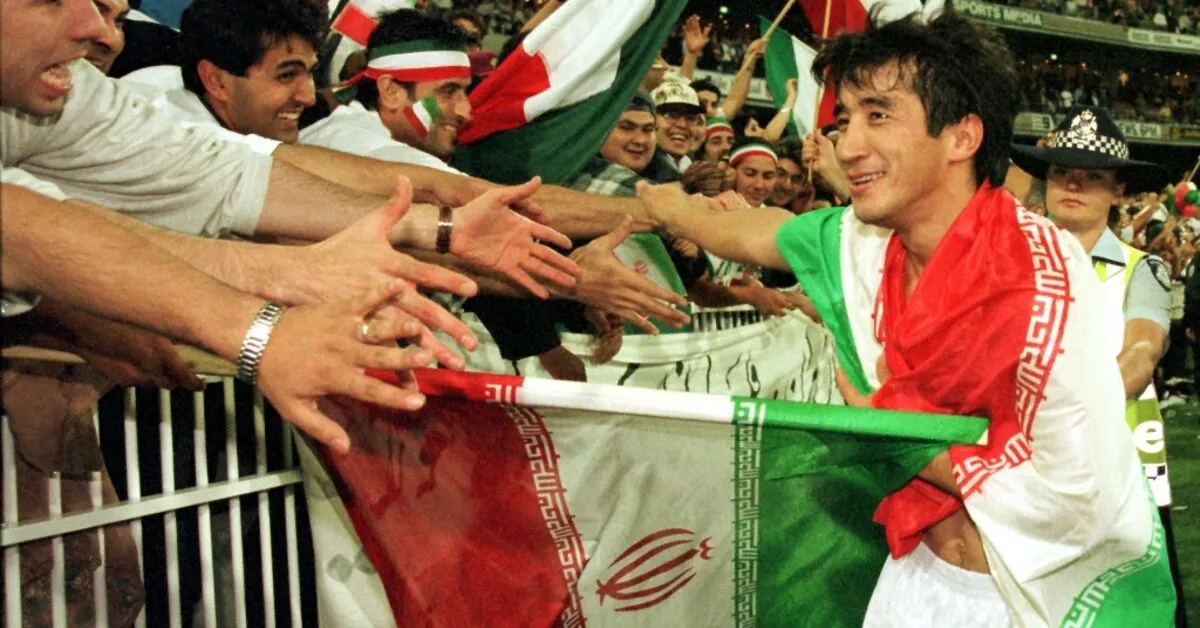
Football legend Khodadad Azizi, who participated in the historic 1998 World Cup match between Iran and the United States, has emphasized that the sport should serve as a vehicle for peace and remain distinct from political considerations.
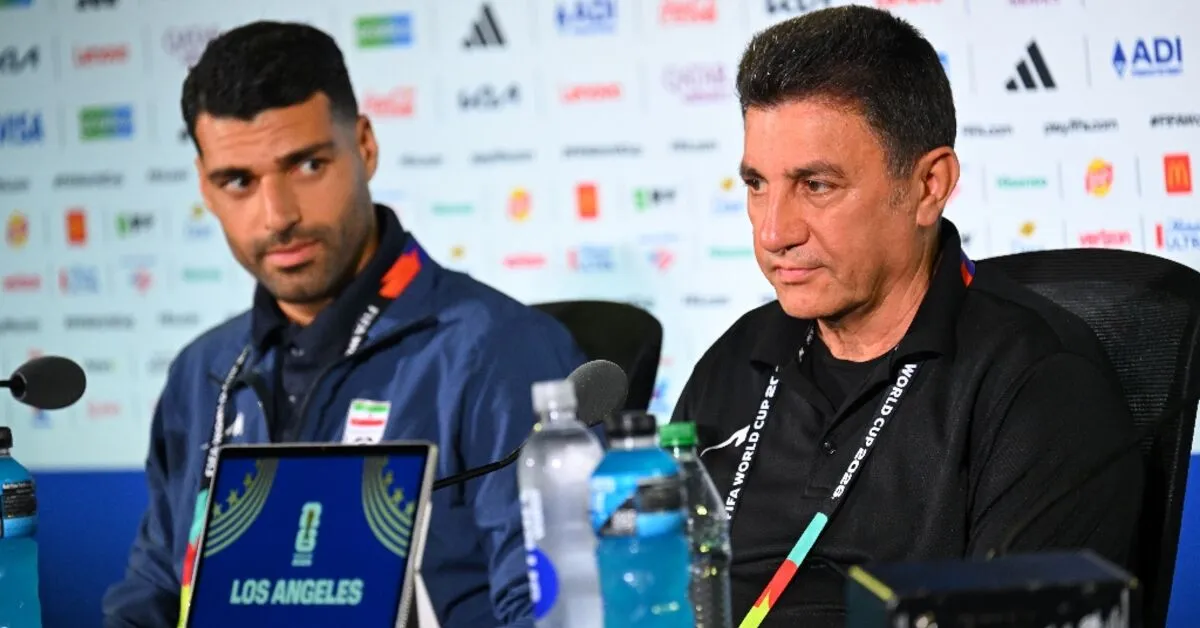
Azizi, 54, made these remarks as Iran prepares for their World Cup campaign. The Iranian squad, known as Team Melli, is scheduled to begin their tournament against New Zealand in Los Angeles. Azizi expressed confidence in the team's ability to advance from their group, stating, "If we beat New Zealand, we will advance from our group, and that is not a difficult task."
The lead-up to this match has been marked by several challenges for the Iranian team. They relocated their team base camp from Arizona to Tijuana, Mexico, and reported initial difficulties in obtaining visas for 15 members of their delegation, including the head of the football federation. Azizi was a key player in the 1998 match where Iran secured a 2-1 victory over the United States in France. That encounter was notable for pre-game gestures of goodwill, including the exchange of flowers and Iranian handicrafts, symbolizing a desire for unity through sport.
Reflecting on the 1998 game, Azizi recalled that organizers proposed a group photograph, recognizing football's potential as a symbol of peace amidst governmental political differences. He stated, "Because it was about football, and there were political differences between the governments, the idea of a group photo was proposed, since football is a symbol of peace." He further commented on the positive atmosphere of that match, noting that the Iranian team exchanged jerseys with their American counterparts, a gesture aimed at demonstrating that "football is above politics."
Currently a television commentator in Iran, Azizi expressed disappointment with the current tournament's political undertones. He criticized the stringent entry procedures for teams, contrasting them with the respectful treatment he felt Iran received in 1998. Azizi also questioned FIFA's decision to host the event in the United States, suggesting it highlighted a weakness in the organization's handling of geopolitical sensitivities. Despite these external pressures, Azizi affirmed that the Iranian players are solely focused on their performance on the field, as conveyed to him through messaging applications.
Azizi dismissed criticism from Iranian dissidents who accuse the team of representing the government rather than the populace. He asserted that athletes play for their nation, not for political reasons, reiterating his belief in the unifying power of sport beyond political divides.