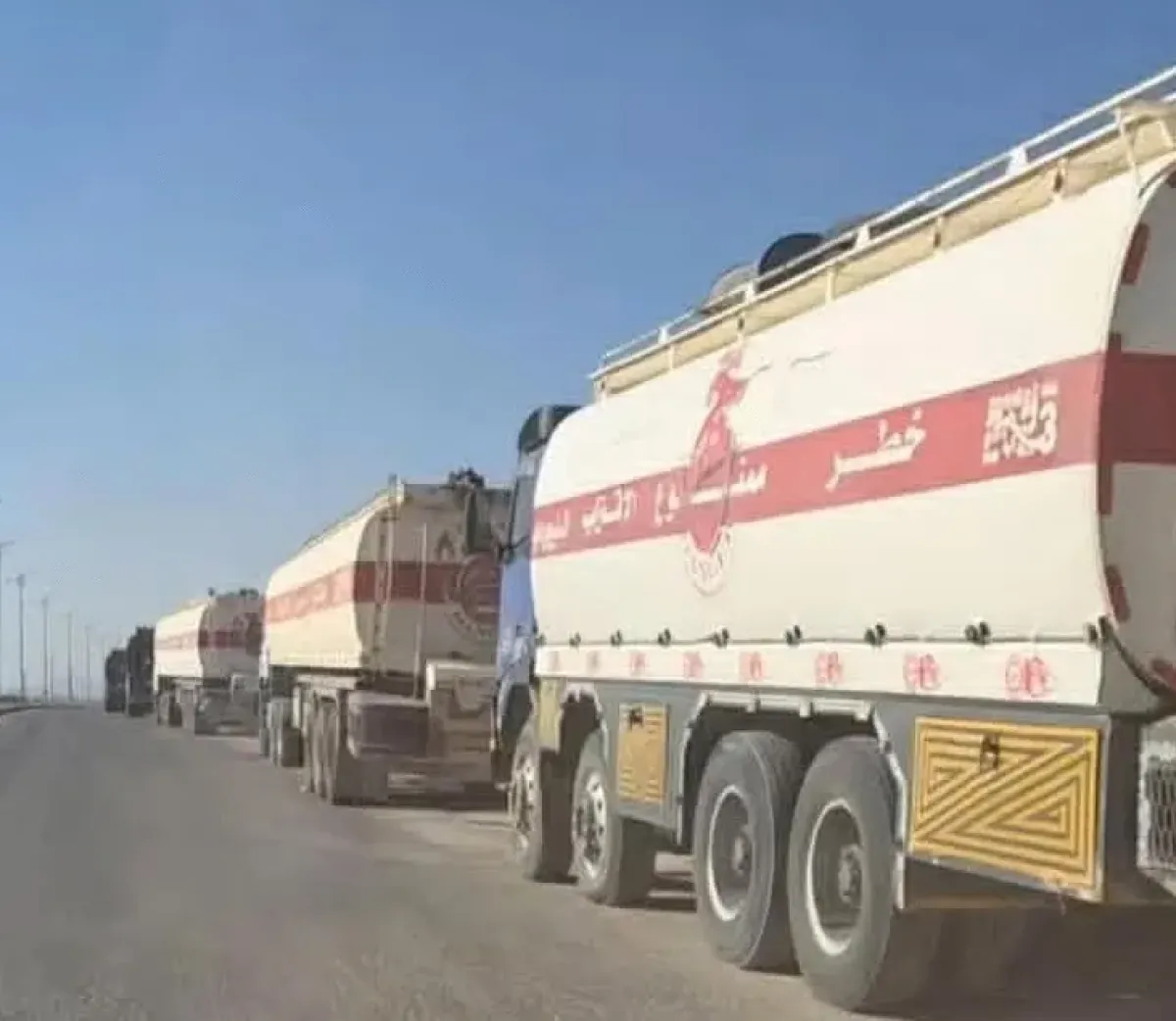
Tribal gunmen have established a blockade in Shabwa Governorate, southeastern Yemen, halting fuel and gas tankers traveling to and from Marib Governorate. This action threatens to exacerbate existing supply and service crises affecting numerous Yemeni governorates.
Local sources reported that the armed individuals set up the checkpoint on the outskirts of the city of Ataq, Shabwa's administrative center, preventing the passage of fuel and gas tankers on the road connecting the two governorates. This escalation follows similar blockades and interceptions of tankers heading to southern governorates, which have been occurring in Marib.
According to the sources, the move was a retaliatory measure against the ongoing detention and obstruction of oil and gas trucks originating from Marib. These actions have led to severe fuel and gas shortages in Shabwa and other liberated governorates, resulting in a cycle of reciprocal interdictions and turning vital transport routes into leverage for local disputes and conflicts, with a notable absence of effective government intervention.
The incident has raised significant concerns about its impact on living conditions and services, particularly as liberated governorates heavily rely on supplies transported via these routes for fuel, domestic gas, and the operation of electricity stations and essential facilities.
The repeated instances of blockades and detentions highlight the erosion of state institutions' authority and their inability to secure international roads and strategic supply lines. This vacuum has allowed armed groups and tribal factions to impose conditions that jeopardize the welfare of millions of citizens and intensify their daily hardships.
Sources warned that the continuation of these blockades would lead to further market instability, price hikes for fuel and gas, and increased transportation costs. It would also directly affect the electricity service, which already suffers from chronic crises due to fuel shortages and declining generation capacity.
In response, oil and gas tanker drivers have urged local and governmental authorities to act swiftly to secure transport routes and dismantle the tribal blockades. They emphasized that the continued detention of trucks threatens to halt vital supplies and exacerbate the economic and humanitarian burdens on citizens.
These developments occur as governorates under the internationally recognized Yemeni government face increasing challenges in the fuel and energy sectors. Warnings have been issued that continued disruption of major supply lines could lead to more complex crises in the future.