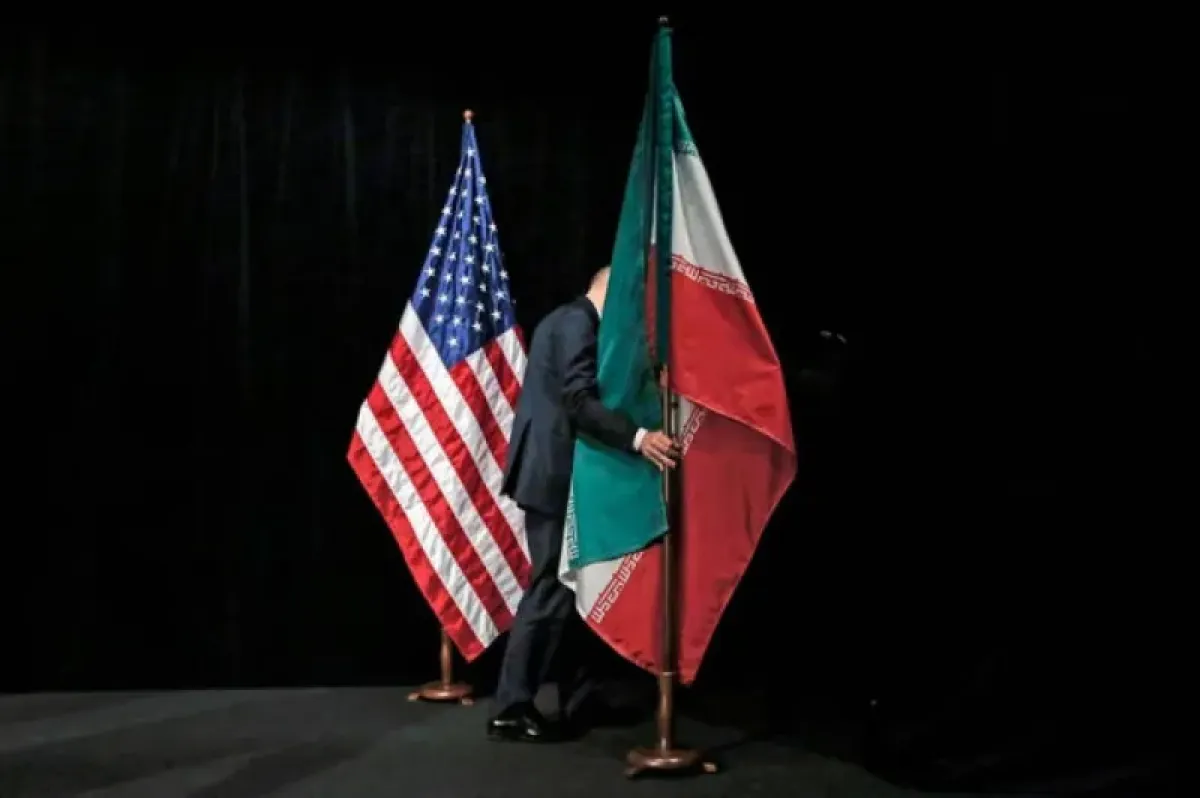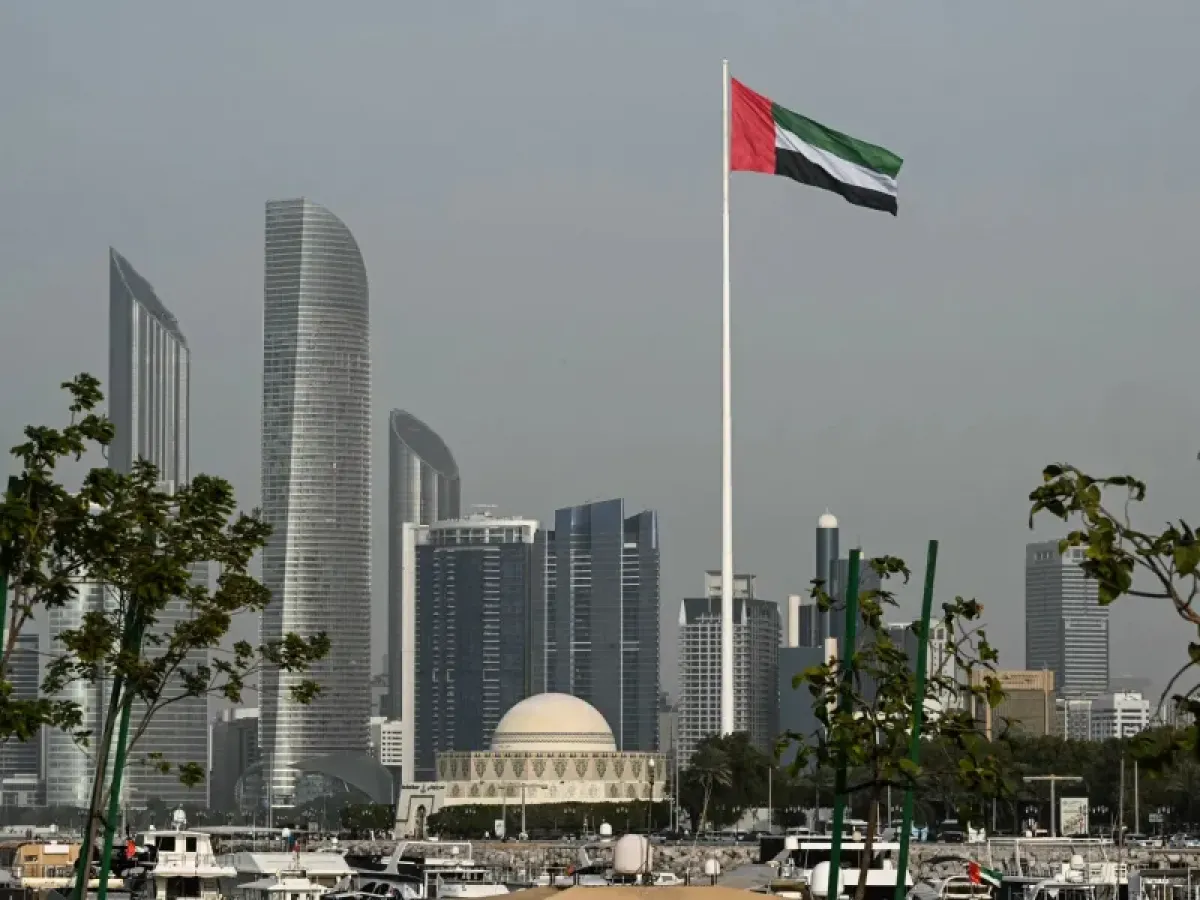
The United Arab Emirates has emphasized the critical importance of complete adherence to the terms of the announced understanding between the United States and Iran, viewing a successful agreement as a vital step toward de-escalating regional tensions and enhancing stability in the Middle East.
The UAE Ministry of Foreign Affairs stated that the nation supports efforts to promote dialogue and diplomacy as the primary means to address crises and conflicts. It underscored the necessity of respecting international law, state sovereignty, and the principles of good neighborliness to foster a more stable regional environment capable of confronting shared challenges.
The ministry stressed that commitment to the agreement's provisions must ensure an immediate and comprehensive cessation of hostilities, protection of maritime routes, and freedom of international navigation, including the unimpeded flow of traffic through the Strait of Hormuz, a critical global economic and trade artery.
The UAE commended the diplomatic efforts that led to this understanding and appreciated the role of the parties and mediators involved in creating the conducive conditions for initiating a path of de-escalation and dialogue between the two sides. The ministry urged continued progress in negotiations to build upon this development and achieve sustainable outcomes, reaffirming the UAE's support for all endeavors aimed at strengthening security and stability, and promoting dialogue and diplomacy in resolving regional and international crises for the benefit of the region's peoples and the enhancement of development and prosperity.
The Emirati position gains particular significance given the direct link between the security of the Gulf, the stability of global energy markets, and the level of tension between Washington and Tehran. Recent escalations had fueled widespread concerns regarding the security of international navigation, oil supplies, and global trade.
Observers note that Abu Dhabi views any understanding that leads to de-escalation as an opportunity to redirect efforts towards economic development and regional stability, especially in light of the security and economic challenges confronting the region. The Emirati stance also reflects the country's commitment to political and diplomatic solutions as the most effective path to resolving complex disputes, steering clear of military escalation, which has proven costly for regional states and their populations in recent years.
The UAE's statement follows the announcement of an understanding between the United States and Iran aimed at halting military operations and opening a new negotiating track to address contentious issues between the two parties. The publicly stated parameters of the agreement include a cessation of military actions and the commencement of preparatory meetings for broader political and technical negotiations covering security issues, economic matters, maritime navigation, and Iran's nuclear program.
This understanding is regarded as an initial framework for containing the crisis rather than a final settlement, as future negotiations will grapple with highly complex issues pertaining to security guarantees, sanctions, the nuclear program, and regional arrangements. Despite regional and international welcome, the success of this understanding remains contingent upon the parties' ability to honor their commitments and overcome political and security obstacles that have hindered previous rapprochement attempts.
Analysts assert that the upcoming phase will be a true test of the parties' seriousness in transforming this political understanding into a sustainable agreement that contributes to ending the chronic state of tension that has shadowed Gulf and Middle Eastern security for decades. The UAE's call for strict adherence to the agreement's terms serves as a message of support for the de-escalation process, while simultaneously affirming that regional stability requires respect for international law and the protection of the common interests of all its nations, thereby paving the way for a new era of regional economic development and cooperation.