Oil prices fell below $80 a barrel on Tuesday, driven by optimism surrounding the potential reopening of the Strait of Hormuz and anticipated easing of global inflation pressures. This development occurred despite ongoing concerns among traders regarding potential Iranian "service fees" for vessels transiting the crucial waterway.
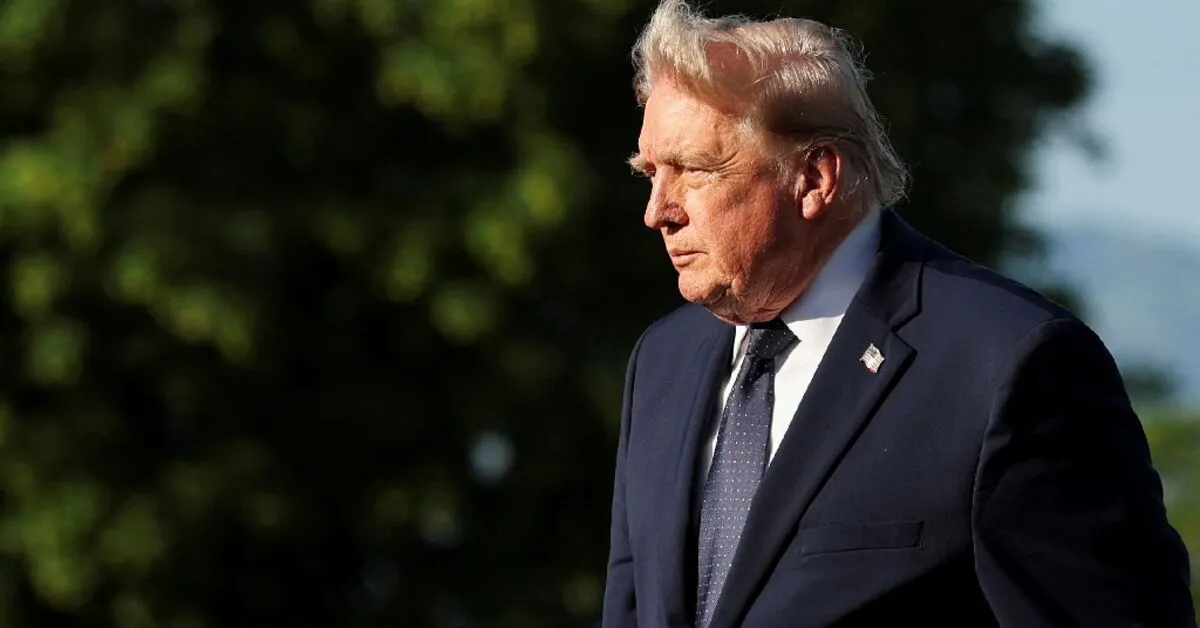
Brent North Sea crude, the international benchmark, reached a three-month low, declining 4.0 percent to $79.87 a barrel before recovering slightly to $80.52. The primary U.S. oil contract, West Texas Intermediate, saw a 4.5 percent drop to $77.16 a barrel prior to a partial rebound. U.S. President Donald Trump indicated that the Strait of Hormuz would be "completely open" following the scheduled peace agreement signing between Washington and Iran this Friday in Switzerland. Reports from Iranian media suggest that several oil tankers and cargo ships have already successfully navigated the passage.
Financial markets reacted with caution. On Wall Street, the Dow Jones Industrial Average saw modest gains, while the broader S&P 500 and the tech-heavy Nasdaq Composite also experienced limited upward movement in early trading. European markets, including London and Paris, showed gains, though Frankfurt traded with smaller increases. Asia's markets closed mixed.
"Although the deal has not been formally signed, there already appears to be a peace dividend for markets," noted Kathleen Brooks, research director at XTB. She suggested that European indices, some still below pre-conflict levels, might continue to "play catch-up" with U.S. markets. Tehran had previously blockaded the strait following the commencement of military operations by the U.S. and Israel against Iran on February 28, which subsequently led Washington to halt shipping to and from Iranian ports.
Despite the decline in oil prices, analysts caution that market conditions could remain constrained for weeks or even months post-conflict. Susannah Streeter, chief investment strategist at Wealth Club, pointed out that oil prices, while at a two-month low, are still trading at a premium compared to pre-conflict levels, signaling persistent supply uncertainties. Concurrently, U.S. Energy Department data revealed that America's strategic oil reserves have fallen to their lowest level since 1983, indicating sustained demand for replenishment even after the conclusion of the Middle East conflict.
The week's economic focus also includes a series of central bank policy announcements. The Federal Reserve is expected to maintain current interest rates on Wednesday, despite inflation reaching a three-year high. The Bank of England is also anticipated to hold its rates steady. The Japanese Yen remained relatively unchanged following the Bank of Japan's decision on Tuesday to raise interest rates to their highest point since 1995.