The Iranian regime is confronting significant repercussions from recent conflicts, sparking unprecedented internal discussions about the future of the Islamic Republic and casting doubt on the legacy of Supreme Leader Ali Khamenei.
Analysis from the Middle East Forum highlights a growing debate within Iranian political and media circles regarding the nation's trajectory. The recent war has destabilized the regime and reopened long-taboo subjects for public criticism, particularly concerning the policies established by the late Supreme Leader Ali Khamenei during his three-decade rule.
According to the analysis by Mardo Soghom, warnings issued by the conservative newspaper "Jomhuri Eslami" signal a notable increase in concern among certain factions of the ruling establishment. This apprehension stems from widespread public discontent with political elites and hardline elements who have dominated state affairs in recent years. Although the newspaper did not directly criticize the leadership, its commentary on Iranians' rejection of political factions' track records and their accountability for the nation's accumulated crises indicates a widening internal reassessment, especially after the recent war exposed the fragility of long-held Iranian strategic assumptions.
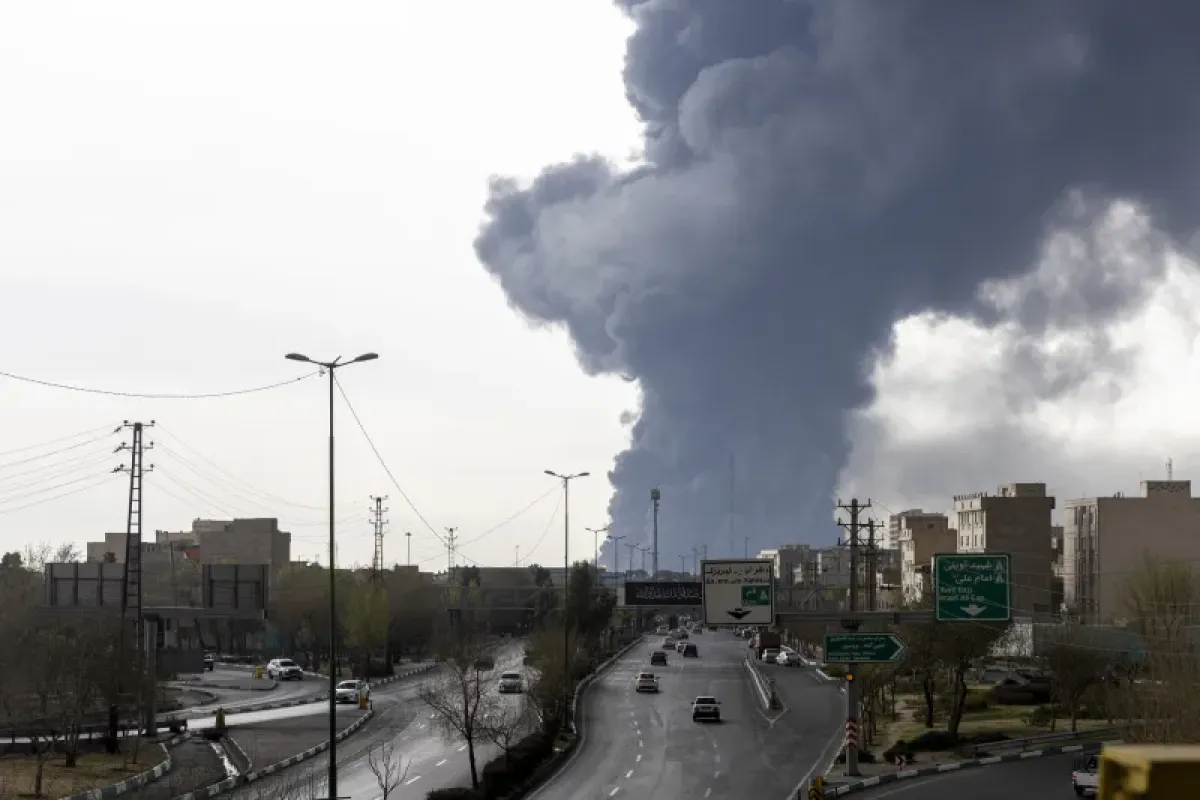
The analysis suggests that the Iranian regime's strategy heavily relied on expanding regional influence and developing its nuclear program while avoiding full-scale war. However, events in 2026 demonstrated the limitations of this approach, as confrontations escalated, imposing severe political, military, and economic costs.
Recent developments reveal a deeper crisis than mere fallout from a conflict. It pertains to the future of the political model shaped and managed by Khamenei for over thirty years. With the absence of a singular figure who monopolized political, security, and religious decision-making, the regime's institutions face an unprecedented test of their ability to maintain cohesion without the reference point that previously managed power balances.
Current discussions in Iran are not solely about managing war consequences but extend to evaluating the cost of policies that led to isolation, sanctions, and successive economic crises. Deteriorating living conditions, high rates of poverty and inflation, and persistent public protests have created a domestic environment more sensitive to foreign adventures or escalatory policies.
The analysis points out that the ambiguity surrounding current Supreme Leader Mojtaba Khamenei further complicates the landscape. His prolonged absence from public view and the lack of clear indicators regarding his role in state management raise significant questions about the actual centers of power directing the current phase and the new leadership's capacity to assert influence within state institutions and the Revolutionary Guard.
While calls for political and economic re-evaluation are mounting, influential powers within the regime appear intent on preventing these discussions from evolving into radical reform. Statements from figures close to decision-making centers still view any understanding with the West as a temporary respite for rebuilding capabilities and restoring balance, rather than a prelude to strategic change in the Islamic Republic's direction.
The analysis concludes that Iran stands at a critical juncture: either continue the same approach that has led to accumulated crises domestically and internationally, or engage in profound reassessments that redefine state priorities and its relationship with society and the world. However, current indicators suggest the ruling establishment is more inclined towards crisis management than addressing its root causes, potentially exacerbating the political and economic challenges facing the country in the coming period.
These discussions, for the first time in many years, reflect a sense of unease within certain regime circles, indicating that the recent war's repercussions extend beyond military and political losses to fundamental questions about Khamenei's legacy and the future of the political project that has governed Iran for decades.