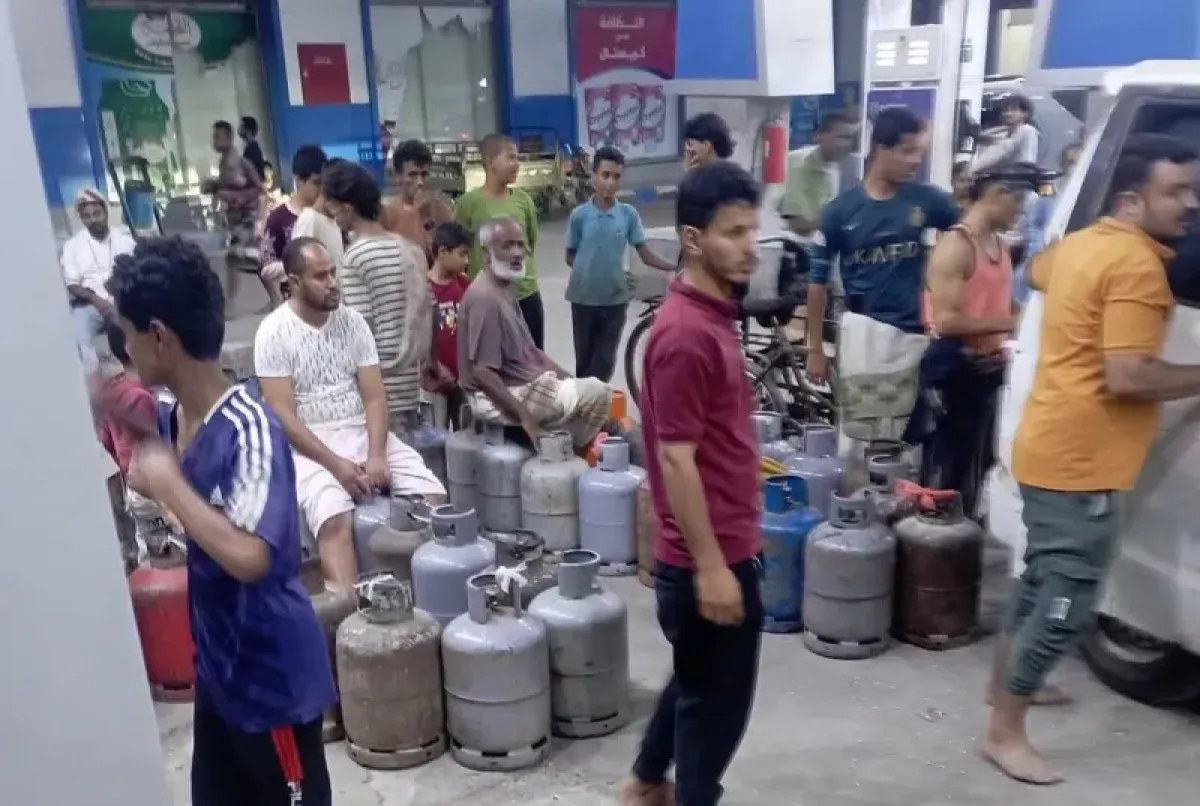
Marib, Yemen – Free Provinces have been experiencing a severe domestic gas crisis for over a month due to acute shortages and fluctuating supplies, directly impacting citizens' lives and causing daily market disruptions. Residents are struggling to obtain the essential commodity, with demand far outstripping weak distribution.
Amidst this escalating crisis, the Yemen Gas Company in Marib has issued a new regulation concerning the transfer and unloading of gas to the liberated governorates. This measure, presented as a means to regulate gas transport and unloading, is the latest in a series of repeated directives and procedures from the company that have yet to yield tangible improvements in resolving the persistent imbalances.
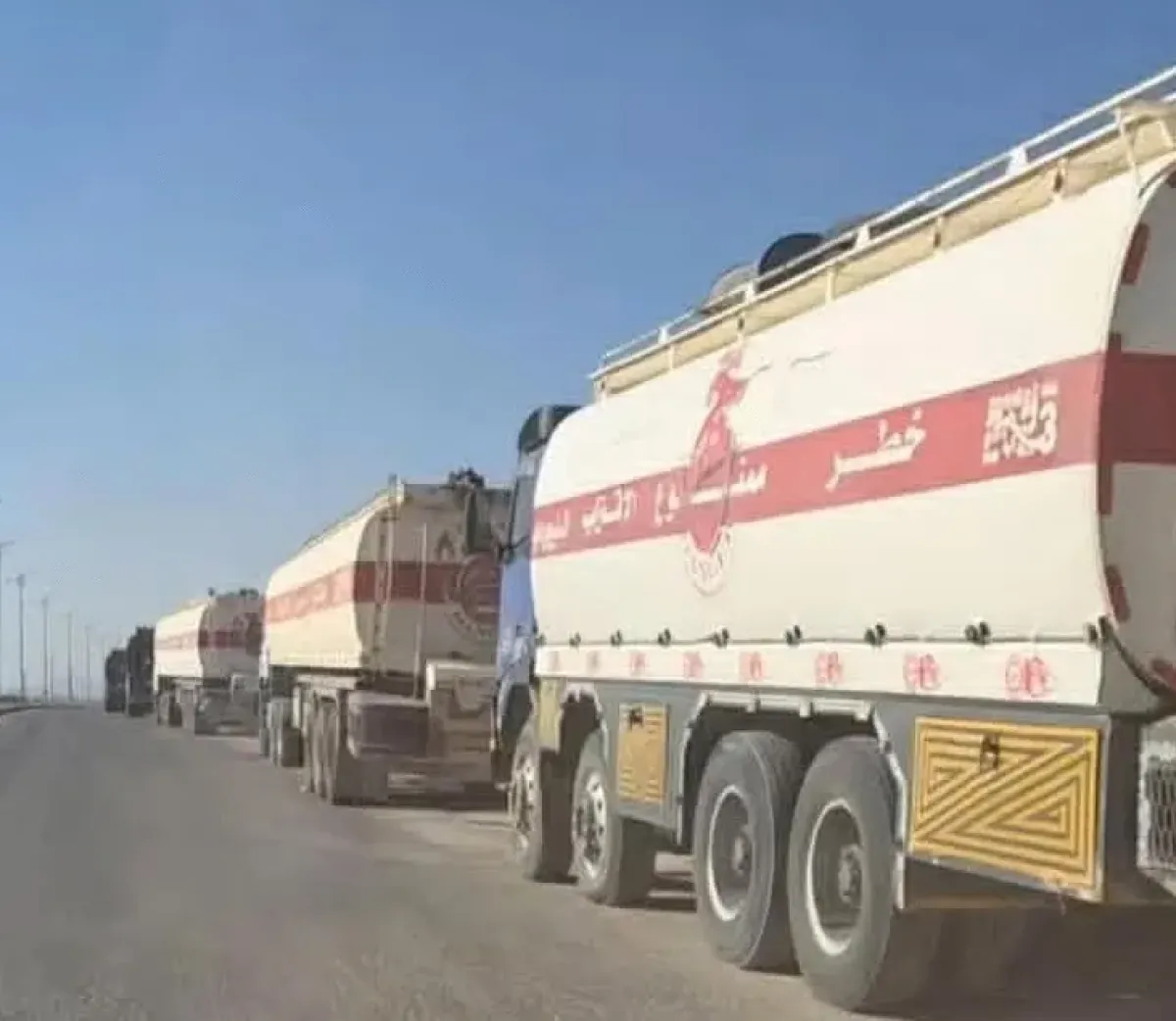
The new regulation establishes specific transit times for gas shipments from the Safir facility to various governorates: 24 hours for Marib, three days for Shabwah and Wadi Hadramaut, four days for Aden and Mukalla, and up to one week for other governorates. It mandates that distribution stations must unload shipments within 24 hours of arrival, with penalties for non-compliance. This attempt aims to impose a strict timeline on the supply chain.
Further measures include discounts on transport fees for delayed convoys, stricter penalties for stations slow to unload, the adoption of alternative routes, and enhanced coordination with security and military operations rooms to secure shipment movements. This reflects an increasing reliance on administrative and security solutions for a complex service issue directly affecting daily life.
This latest regulation follows weeks after the announcement of a joint military-security operations team between the company and the Ministries of Defense and Interior, tasked with securing supply chains and monitoring gas transport from Safir to the governorates. While presented as a solution to regulate the market, this initiative has not led to an easing of the crisis, coinciding instead with continued supply deterioration.
Prior to this, decisions were made to dissolve the previous joint operations room, restructure it, and establish new frameworks. This recurring pattern of administrative changes without clear results raises questions about the efficacy of a strategy focused on reorganization rather than addressing the root causes in production, distribution, and actual oversight. The gap between official discourse emphasizing "regulation, organization, and security" and the on-the-ground reality in the liberated governorates, where the crisis persists with intensified severity, is evident. Families continue to suffer daily in securing gas, and reliance on the black market is increasing in some areas.
Observers note that the continued dependence on superficial measures and repeated restructuring of committees and operations rooms, without fundamental interventions in the gas market structure and supply chains, indicates shortcomings in managing a vital sector. This situation is gradually evolving into a chronic livelihood crisis, with a clear absence of sustainable solutions to halt the persistent interruptions and instability.