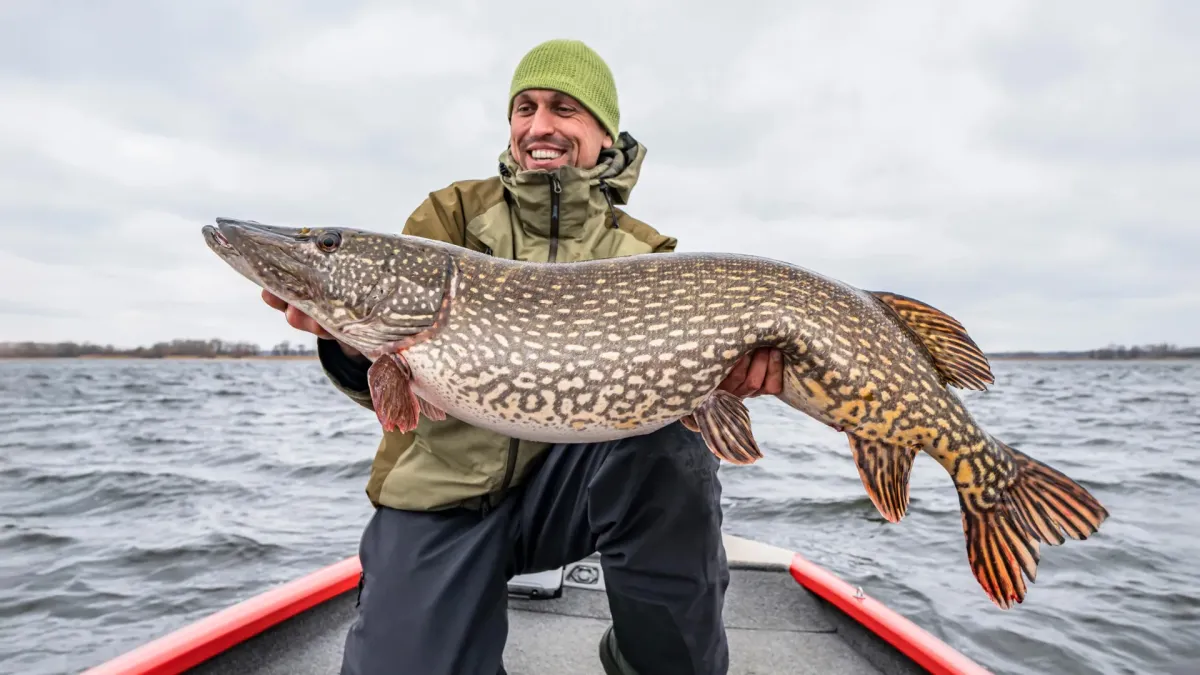
Many lakes are getting noticeably browner, and this isn't just an aesthetic change – it's altering fish populations. Research reveals a direct link between darker waters and a decline in species like trout and bass, while pike and walleye are surprisingly thriving.
This phenomenon, known as "freshwater browning," is becoming widespread across northeastern North America and northern Europe. It's driven by a mix of factors, including climate change, which leads to higher temperatures and increased runoff, washing more carbon compounds from land into water. Additionally, efforts to reduce acidic emissions have inadvertently changed soil chemistry, further boosting the flow of carbon into lakes and rivers. This dissolved organic matter, essentially plant material, stains the water a distinct brown hue, much like steeping tea.
The murky conditions pose challenges for many fish. Reduced underwater visibility makes it harder for them to hunt prey, evade predators, and find suitable habitats. A comprehensive study, combining existing research with new analyses, found that fish in browner waters tend to grow more slowly. This slower growth can lead to smaller population sizes, ultimately shifting the balance of species within a lake.
However, not all fish are equally affected. Species with larger eyes appear to fare better in darker conditions, as vision remains crucial for navigation. The study observed that lakes with darker water had higher populations of fish with bigger eyes. Specifically, data from hundreds of lakes across North America and Europe showed a decrease in populations of lake trout, yellow perch, and largemouth and smallmouth bass. Interestingly, brook trout populations were unaffected.
On the flip side, northern pike and walleye populations are increasing. This is likely due to their specialized adaptations. Walleye possess retinas that enhance their vision in low-light, murky environments, while pike rely heavily on their advanced lateral-line sensory system, which detects vibrations and movement in the water, compensating for poor visibility.
For anglers, these changes offer a new strategy. Instead of relying on flashy or colorful lures that appeal to sight, fishermen in browner lakes might find more success with lures that create vibrations or carry scents, tapping into the senses that pike and walleye depend on. Understanding freshwater browning helps both scientists and fishing enthusiasts grasp the evolving dynamics of aquatic ecosystems.