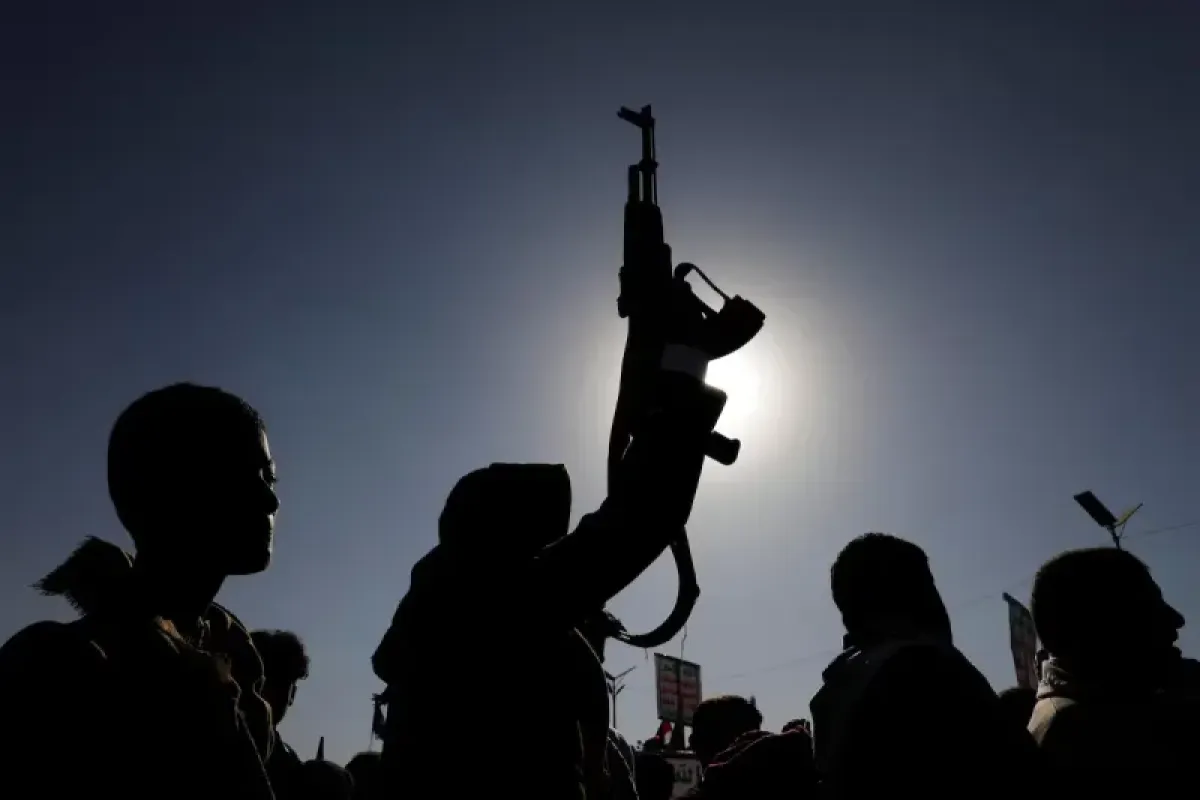
Specialized intelligence reports have uncovered information suggesting the potential involvement of Houthi militias in the transfer and smuggling of advanced weapons and military technologies to armed factions in Sudan affiliated with the Muslim Brotherhood. This development raises growing concerns about the expanding scope of regional conflicts and the Red Sea becoming a primary conduit for arms and military technology smuggling.
According to a publication focused on security and intelligence matters in the Red Sea and Horn of Africa region, cross-border smuggling networks operating between Yemen and the Horn of Africa have acted as intermediaries in arranging meetings and negotiations between Houthi representatives and Sudanese Islamist factions. The objective of these discussions is reportedly to arrange the transfer of weapons, including drones, missiles, and advanced military components.
The information indicates that the most recent meeting took place last week, focusing on establishing new smuggling routes through the Red Sea. These routes leverage smuggling networks with significant influence within Yemen and certain Horn of Africa countries, as well as accumulated expertise in managing illicit arms and military equipment transport operations.
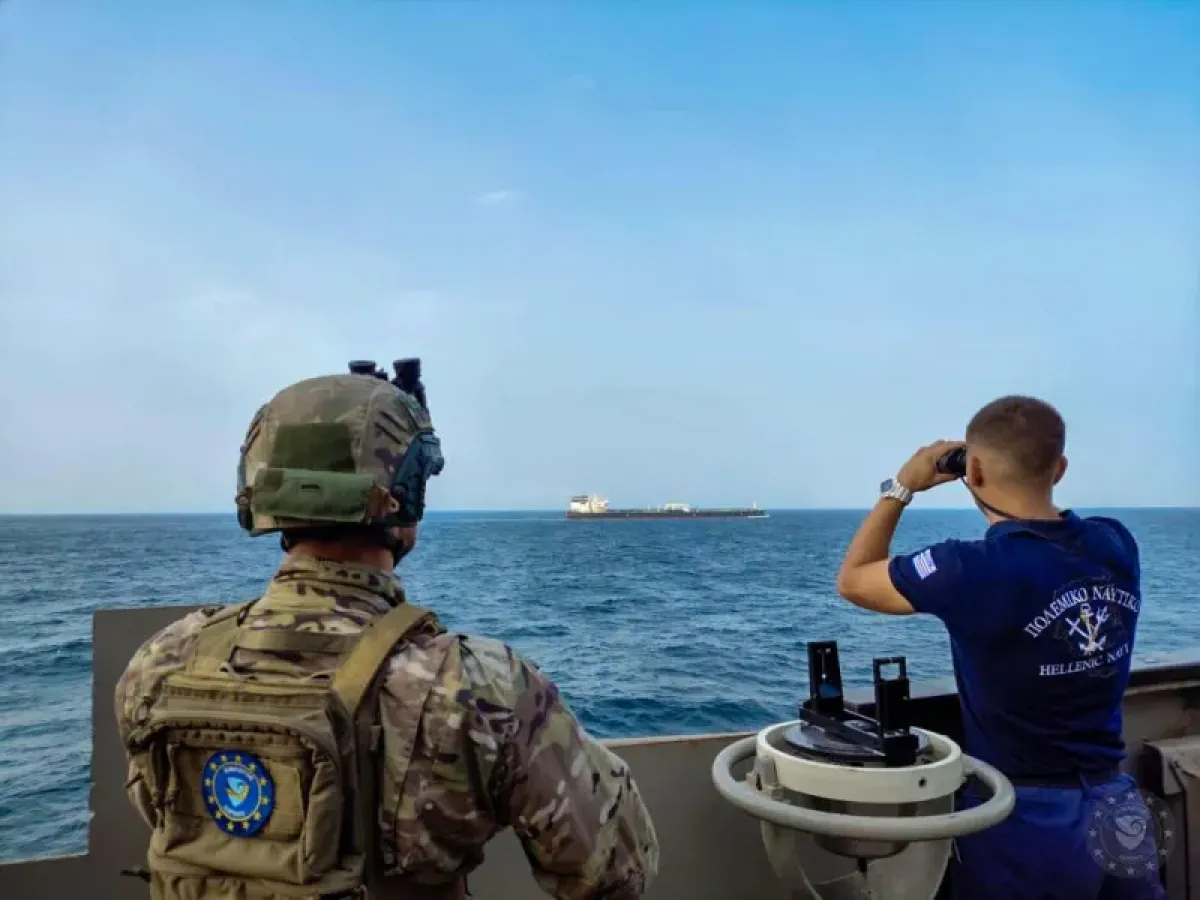
The intelligence suggests that Houthi militias are utilizing sites near the Eritrean coast as temporary storage points for weapons, spare parts, and technical components used in manufacturing munitions and drones. Estimates also point to some of these locations being used for the assembly of drone and missile parts before onward shipment to their final destinations, thereby circumventing maritime surveillance on traditional supply lines.
While the publication claimed to have obtained the names of four Houthi military leaders believed to be involved in managing or coordinating smuggling operations towards Sudan, it declined to publish them due to an inability to independently verify all details pertaining to their alleged roles.
These revelations emerge at a highly sensitive time, coinciding with a noticeable surge in drone usage within Sudan's ongoing conflict, which began in April 2023. Drones have become a critical element in military operations between the warring parties. The UN High Commissioner for Human Rights, Volker Turk, recently warned of the rapid escalation in drone use in Sudan, noting that over a thousand civilians have died from drone attacks between January and May of this year, accounting for approximately 80 percent of all documented civilian fatalities during that period.
Observers believe this situation reflects a dangerous shift in the nature of armed conflicts in the region. Wars are no longer solely reliant on traditional front lines but are increasingly intertwined with the flow of low-cost military technologies through regional smuggling networks capable of bypassing borders and security controls. The transfer of technical expertise related to the operation and development of drones to armed groups in Sudan could prolong the war and complicate political settlement efforts, especially given the existence of flexible logistical networks, temporary storage centers, and hard-to-trace or disrupt smuggling routes.
These findings intensify international concerns about the growing role of the Houthis beyond Yemen's borders, potentially transforming the group into a component of a regional network for exchanging military technology and combat expertise among various conflict zones. This scenario could exacerbate instability in the Red Sea and Horn of Africa region. If substantiated, these developments would reveal a new dimension to the Sudanese war, implicating regional actors and cross-border smuggling networks in fueling the conflict. This poses a threat to regional security, intensifies civilian suffering, and undermines international efforts aimed at ending the war and achieving peace in Sudan.