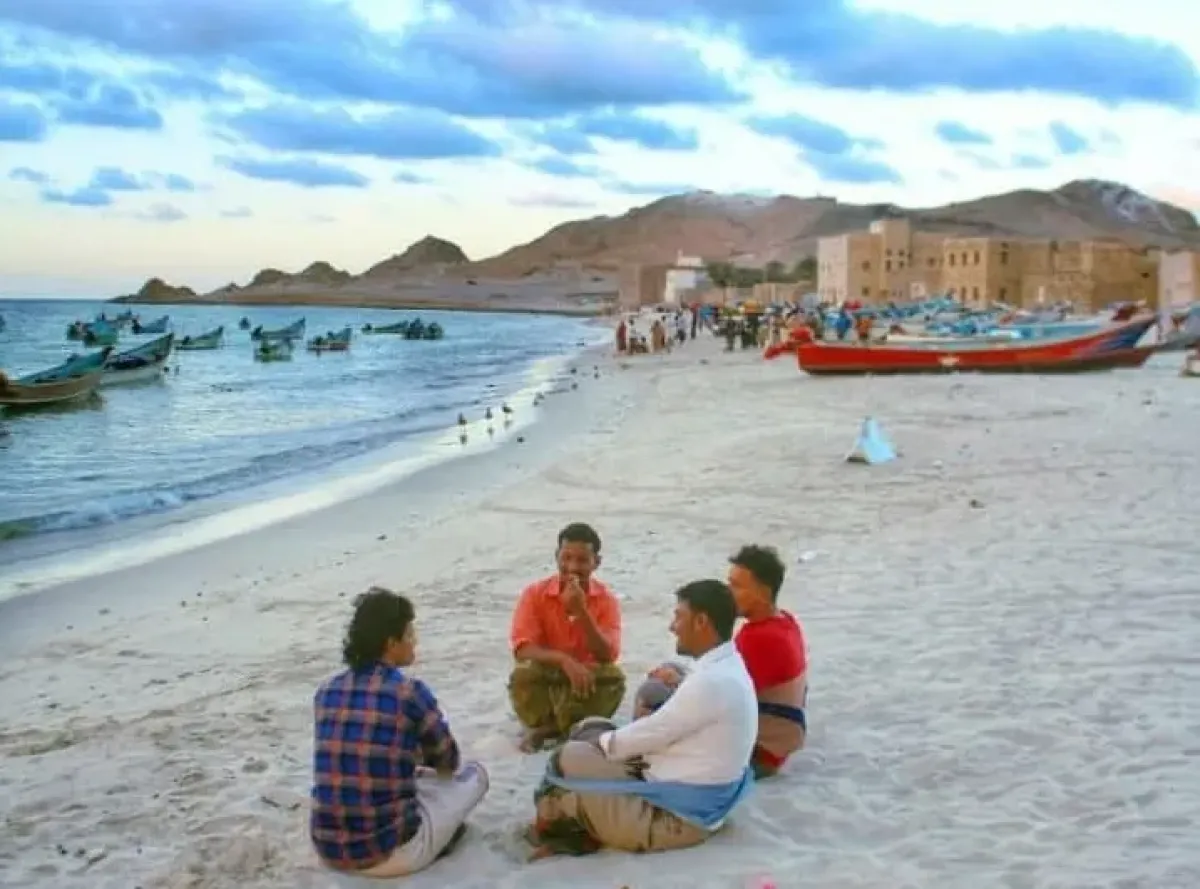
Residents of Socotra Governorate are increasingly expressing nostalgia for a past era of Emirati presence and support, contrasting it sharply with the escalating crises in electricity, fuel, transportation, and healthcare services the island currently faces. Many locals recall this period as a time of unprecedented improvement in services, development, and living standards, setting the archipelago on a path to progress after decades of neglect.
The memories of the past, particularly before the UAE's withdrawal from the Saudi-led Arab coalition, are vivid among the islanders. During their involvement, the UAE's presence was associated with a tangible enhancement across various service and humanitarian sectors, a stark difference from the continuous crises currently impacting daily life on Socotra.
Locals highlight the provision of round-the-clock stable electricity as a significant achievement during the UAE's participation, a service the island had been deprived of for many years. Today, residents endure frequent and prolonged power outages, sometimes lasting days. The UAE's support also facilitated extensive service and development projects in health, education, communications, infrastructure, and social welfare, significantly improving the lives of residents.
In the health sector, many Socotra residents recall medical evacuations to specialized hospitals, including those in the UAE, for critical cases. These evacuations served as a lifeline for numerous patients who could not be treated locally. Today, however, medical capabilities are limited, with shortages in medicines and specialized treatments, compounded by difficulties in travel and evacuation.
Beyond services, the UAE's support extended to ensuring the supply of food, fuel, and cooking gas, leading to considerable stability in provisions and consistent availability of resources throughout the year. This period also saw the establishment of significant food reserves to mitigate market fluctuations and the implementation of aid programs for impoverished families, creating a crucial social safety net. Humanitarian interventions included the construction of housing and social support projects that left a lasting impact.
In contrast, since the beginning of the current year, Socotra has faced mounting challenges in vital sectors. Residents report recurring fuel and electricity shortages, alongside increasing difficulties in air and sea travel. Journeys have become arduous due to limited flights and exorbitant ticket prices, forcing some to resort to dangerous sea crossings. Local markets are also experiencing price hikes for essential goods and instability in fuel supplies, directly affecting living standards and public services.
Many islanders now frequently compare the past with the present, noting a decline in services and a widening gap between promises and reality. Socotra activist Saleh Jamil Al-Sokotri remarked that residents hold the UAE's role in high regard for the tangible impact of its projects. He added that citizens today face recurrent crises while promises of improvement remain unfulfilled. The demands from Socotra's people are for basic rights: regular fuel supply, stable electricity, facilitated travel for patients and students, and improved daily services.
Despite recent changes, the humanitarian, developmental, and relief projects implemented during the Emirati support period remain deeply embedded in the memory of Socotra's people. They consider it one of the most stable and prosperous times in the island's modern history. Amidst ongoing crises in fuel, electricity, healthcare, and transportation, many residents feel a renewed sense of longing for the years of substantial projects, services, and humanitarian initiatives that they believe brought about genuine positive change and lasting stability.