Los Angeles City Councilmember Bob Blumenfield has introduced a motion aimed at bolstering local composting infrastructure and reducing greenhouse gas emissions by decreasing reliance on distant waste processing facilities. The initiative seeks to process food scraps and yard waste within the city, rather than transporting them hundreds of miles to locations like Bakersfield or Lancaster.
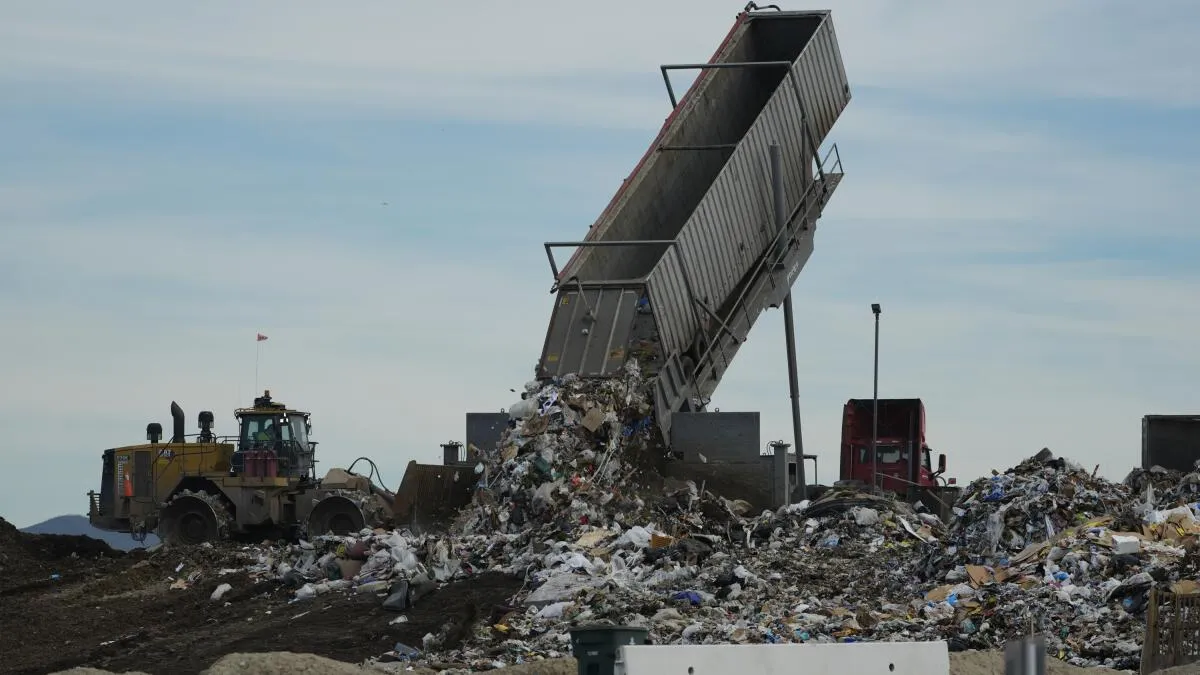
The proposed measure is designed to help Los Angeles meet state targets set by California's Short-Lived Climate Pollutant Reduction Strategy (Senate Bill 1383), which mandates the phasing out of landfill disposal for green waste due to its significant contribution to methane, a potent climate pollutant. It also aligns with Mayor Bass's Climate Action Plan, which includes a goal of utilizing at least 50% of locally produced compost and mulch within the city by 2030. Currently, only 25% to 30% of the city's organic material is used locally.
Blumenfield highlighted that the city generates approximately 350,000 tons of organic material annually, which he estimates equates to 1.2 to 1.5 million metric tons of carbon dioxide. This figure is comparable to the carbon dioxide emissions of the entire country of Belize or the equivalent of burning 1.6 billion pounds of coal per year. The announcement coincided with a six-day fire at a Boyle Heights warehouse where 85 million pounds of frozen food was thawing and beginning to decompose.
While Los Angeles has made efforts to implement residential curbside composting programs, compliance has been a challenge, with reports indicating that only about half of households and businesses are properly separating compostable waste. Alex Helou, assistant general manager of L.A. Sanitation & Environment, presented a more optimistic view, noting the city's success in providing green bins to 750,000 residential customers and exceeding expectations in food recovery by saving 80 million meals. Helou stated that Blumenfield's motion would complement these efforts by completing the local loop, fostering more composting, and reducing transportation emissions.
The initiative directs the Bureau of Sanitation to develop a plan for expanding local composting facilities and increasing the utilization of locally sourced compost and mulch. Potential applications include urban farms, community gardens, city parks, and replacing artificial turf with natural grass and native plants, promoting sustainable landscapes and cooler urban environments. Terry Saucier, a member of the Neighborhood Council Sustainability Alliance, expressed support for the motion's focus on nature-based solutions.
However, the state's composting law has presented broader challenges. The Antelope Valley has become a disposal site for some city haulers seeking to cut costs, raising environmental concerns about fragile ecosystems. Coastal Southern California, including Los Angeles, faces difficulties due to a scarcity of large-scale composters and limited local demand for compost and mulch, unlike more agriculturally focused regions. Experts also point to contamination in food waste bins, with plastic and other debris posing significant issues for compost quality, far exceeding the state's allowable limit of 0.5% physical contaminants in finished compost.