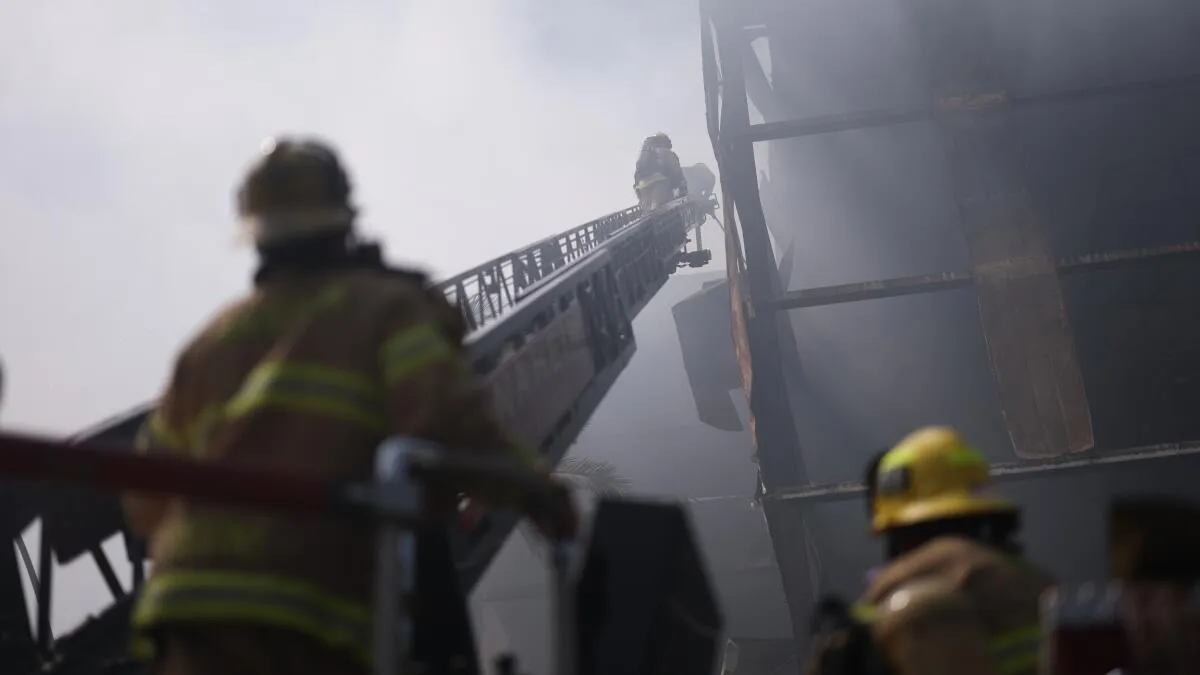
Devastation from two massive earthquakes in Venezuela on Wednesday serves as a critical warning for California and other seismically active regions regarding the catastrophic impact seismic events can have on urban areas.
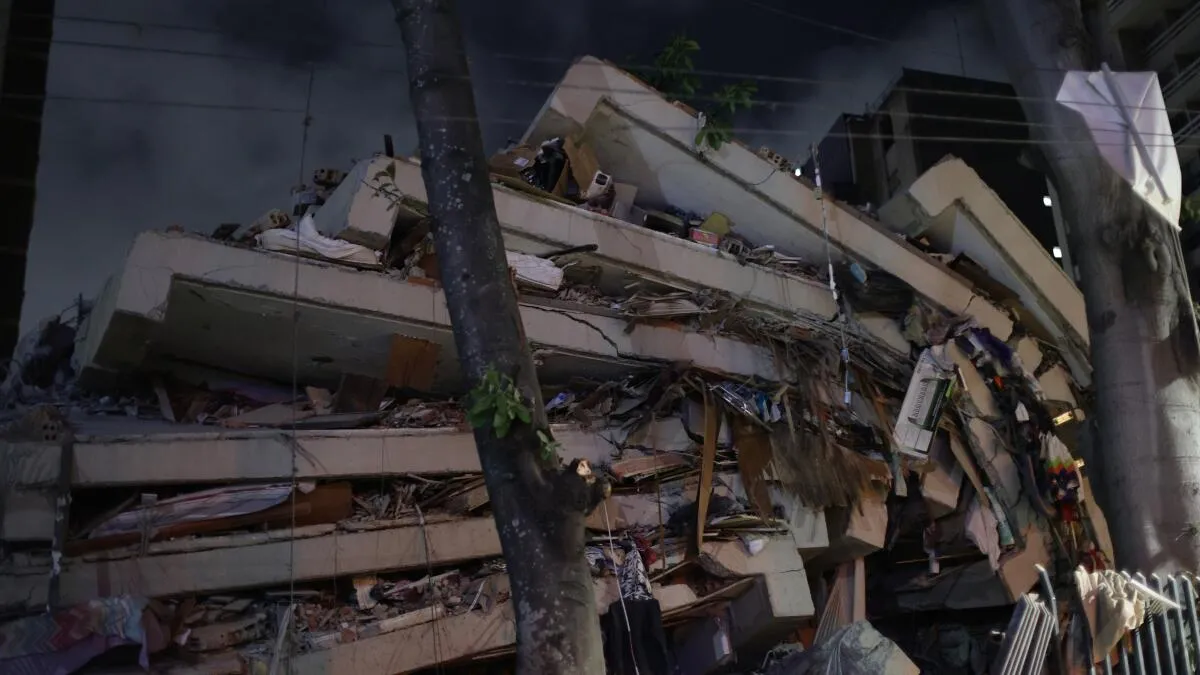
At least 32 people have died and over 700 were injured in Venezuela, with these figures anticipated to rise as a full assessment of the damage continues. Imagery from the affected areas depicts widespread destruction, with entire city blocks flattened and essential infrastructure in ruins.
According to Maria Mohammed, president of the Structural Engineers Association of Southern California, the most severe damage in Venezuela appears to involve the collapse of "non-ductile concrete buildings"—a construction type also present in California. She noted that photographs indicate these buildings, which lack sufficient steel reinforcement in their concrete columns, are disproportionately affected by seismic activity, a characteristic that has historically led to fatalities in California earthquakes such as Sylmar in 1971 and Northridge in 1994.
While building codes in the U.S. have evolved since the 1970s to prohibit non-ductile concrete construction and mandate improved steel reinforcement, many older, vulnerable buildings remain. Although some California cities have implemented mandatory seismic retrofitting for such structures, enforcement and deadlines vary, and many municipalities have yet to impose similar regulations. Globally, non-ductile concrete buildings have been implicated in fatal collapses in Taiwan, New Zealand, Mexico, Turkey, Syria, and the Philippines in recent decades.
The USGS has previously identified non-ductile concrete buildings as among the most dangerous in earthquakes. A 2008 USGS scenario projected that a magnitude 7.8 earthquake in Southern California could lead to the collapse of approximately 500 older low- and mid-rise concrete buildings, potentially resulting in thousands of casualties. Seismologists emphasize that Venezuela's seismic risk profile, situated near a tectonic plate boundary, is comparable to that of Los Angeles and San Francisco, with similar rates of seismic strain accumulation.
California residents are advised to prepare by assessing their properties for necessary retrofits, exploring programs like Earthquake Brace+Bolt, securing household items, and developing comprehensive family and neighborhood emergency plans. The vulnerability of older construction, including soft-story buildings and unreinforced masonry, remains a significant concern despite advancements in building codes over the past century.