The Houthi movement in Yemen has increasingly adopted public religious observances and ideological messaging during Ashura, reflecting a significant shift in its practices and rhetoric that critics argue aligns with Iranian influence and aims to reshape Yemeni identity.
For many years, the Houthi group sought to present itself as a purely Yemeni movement with local roots, consistently denying any ideological or doctrinal connection to Iran or adherence to Twelver Shia Islam as practiced in Iran, Iraq, and Lebanon. However, developments in areas under Houthi control since their 2014 coup have gradually revealed the extent of change in the group's discourse and cultural practices. Many of their slogans and rituals now clearly exhibit the influence of the Iranian project in the region.
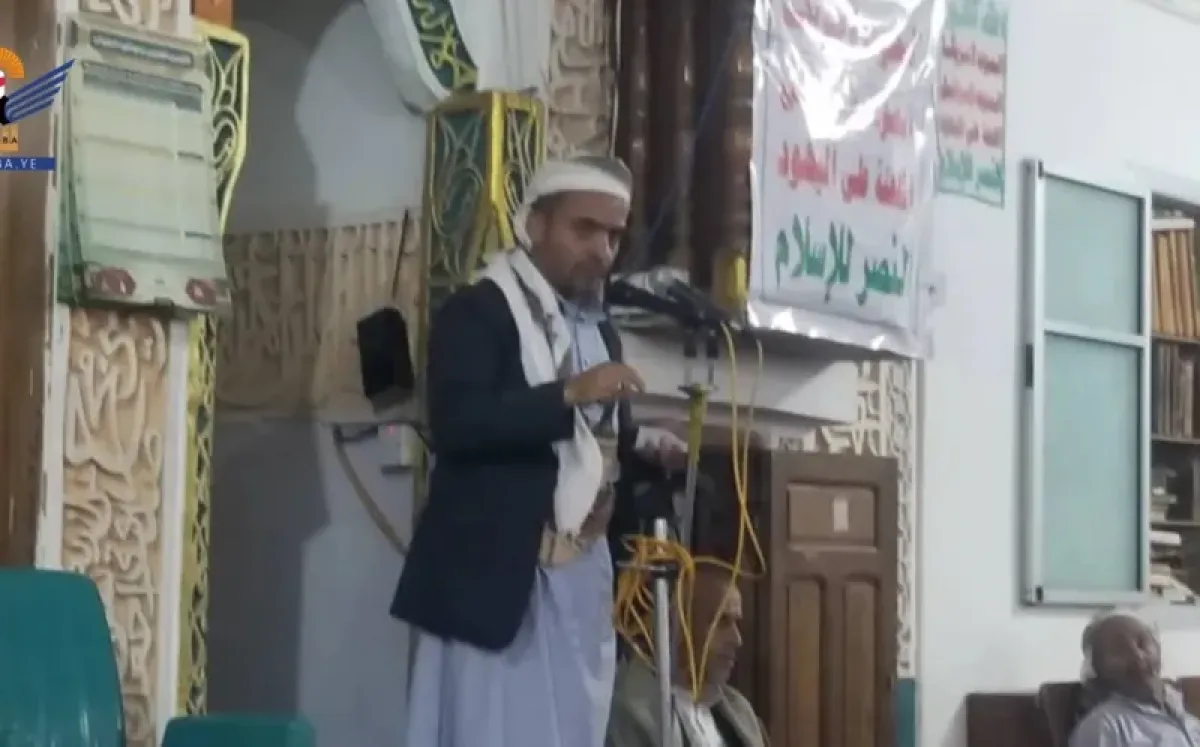
The Ashura commemoration has become a prominent indicator of this transformation. Observances that were once confined to narrow circles within mosques and private gatherings are now conducted openly in the streets of Sana'a and other cities. These public events include mass rallies, indoctrination speeches, media campaigns, slogans, posters, and rituals that were unfamiliar in Yemeni society before the group seized state institutions.
Religious scholars and experts emphasize that Ashura holds a special place in Islam as a day of fasting, remembrance, and gratitude to God for the salvation of Prophet Moses and his people from Pharaoh, based on prophetic traditions that encouraged fasting on this day and highlighted its virtues. Conversely, among Shia Muslims, the occasion is linked to commemorating the martyrdom of Hussein ibn Ali, which has historically led to a set of rituals and practices prevalent in some Shia communities outside Yemen. The Houthi group has begun introducing these into the Yemeni context in recent years.
Critics of the movement contend that manifestations like self-flagellation, wailing, Husseiniyas (religious gatherings), and the evocation of collective grief represent a foreign culture alien to Yemeni society, which has historically been known for its moderation and sectarian coexistence. They see this as a clear transition from traditional Zaydi jurisprudence to a more rigid Iranian model in handling religious occasions.
Many observers view the Houthi Ashura activities not merely as religious or cultural events but as part of a broader project blending doctrinal and political dimensions, religious and sectarian elements, in an attempt to reconfigure the collective consciousness of Yemeni society. The group reportedly utilizes historical events from over fourteen centuries ago, adapting them to contemporary political contexts to serve its narrative based on concepts of guardianship and divine right to rule—ideas that clash with the principles of a modern state founded on equal citizenship, constitutional legitimacy, and peaceful power transfer.
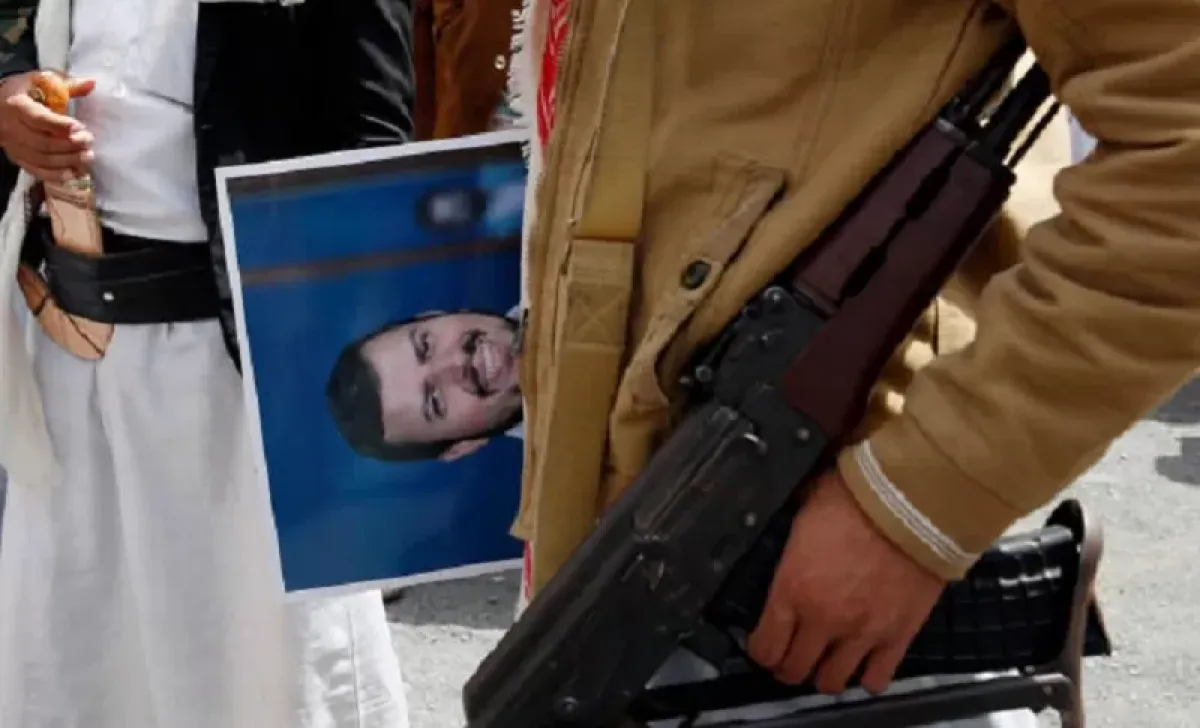
Specialists warn that the gravity of these commemorations lies in their aim to transform historical events into tools legitimizing a political and military agenda that links power to lineage and grants a specific group exclusive rights to govern. The Houthi movement leverages Ashura as a platform for intellectual and military mobilization, organizing seminars, doctrinal courses, and public events targeting various age groups, particularly youth. Local reports indicate hundreds of events were held in Houthi-controlled governorates, including intellectual mobilization, training batches of fighters, and military-oriented courses, illustrating the intertwining of religious and military aspects in the group's strategy.
In a country facing one of the world's direst humanitarian and economic crises, religious occasions in Houthi-controlled areas have become seasons for extortion and fundraising, according to testimonies from merchants and local residents. Business owners report forced levies and mandatory financial contributions under the guise of supporting events. Those who refuse face multiple pressures, including potential closure or prosecution. Observers describe this phenomenon as an "economy of occasions," where sectarian events serve as significant funding sources through direct levies or compulsory participation costs for decorations, preparations, and public gatherings. Economists argue this policy exacerbates the economic burden on citizens amid deteriorating economic conditions, unpaid salaries, and rising poverty and unemployment rates.
Researchers believe the Houthi media machine does not treat these occasions as mere seasonal activities but employs them to construct an alternative political legitimacy distinct from constitutional legitimacy based on elections and institutions. Through speeches, events, and accompanying slogans, the group aims to solidify concepts of lineage-based guardianship and divine selection, positioning itself as the sole legitimate representative of religion and identity, while portraying opponents as adversaries of the religious project itself. Observers note that these messages target both domestic and international audiences, seeking to project the group as a force with broad popular support while using gatherings and events as a political leverage against its local, regional, and international adversaries.
Cultural affairs specialists assert that the most dangerous aspect of these practices is not the occasion itself but the attempt to reformulate Yemeni identity and link it to a transnational ideological project. Yemen, historically characterized by sectarian pluralism and social coexistence, now faces attempts to replace components of its national identity with imported symbols, slogans, and occasions, reconnecting the collective memory of new generations with figures, events, and narratives that serve a specific political agenda. The real battle, according to these specialists, is no longer solely about controlling land or power but about shaping consciousness and redefining national, cultural, and religious belonging for future generations.
With the arrival of Ashura each year, debate in Yemen intensifies regarding the boundaries between religion and politics and whether these events represent mere religious practice or a part of a broader project to reshape society and the state. As the Houthis continue to expand the presence of these occasions in their controlled territories, concerns are mounting over their impact on the social fabric, national identity, and the future of the Yemeni state, in a country exhausted by war and crises and seeking stability more than ever.